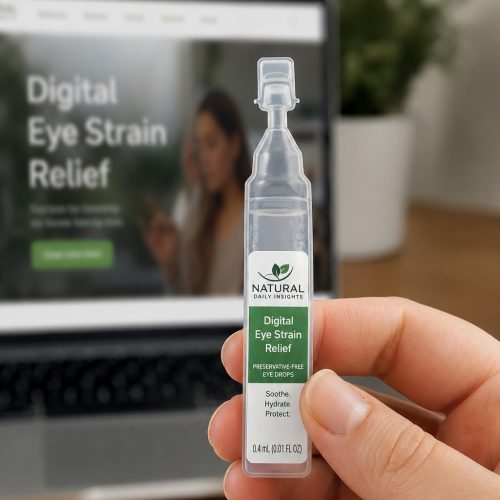

Hey there, screen warriors! If your eyes feel like they’re on fire after a marathon of Zoom calls, you’re not alone, digital eye strain is the new office norm. Even the most hyped eye drops hide their active ingredients and performance data. Our research found that only two out of nineteen products tell you how fast they work and how long they last. That’s a problem when you need quick relief during long screen sessions. In this guide, we’ll help you cut through the confusion. You’ll learn the best eye drops for digital eye strain, how to apply them correctly, and what lifestyle changes can keep your eyes comfortable all day. Let’s get your vision back on track.
Step 1: Recognize Digital Eye Strain Symptoms and How Drops Help
Digital eye strain isn’t just a feeling. It’s a real condition. The American Academy of Ophthalmology says staring at screens can cause dry eyes, blurry vision, and headaches. You might also feel burning, itching, or watery eyes. Some people get tired eyes or double vision. Non-ocular symptoms include stiff neck and backache.
Why does this happen? When you focus on a screen, you blink less. Normally you blink about 15 times per minute. But when you’re glued to a screen, that drops to half. Less blinking means your tears evaporate faster. Your eye surface dries out. That triggers inflammation and discomfort. According to a 2022 review in BMC Ophthalmology, digital eye strain affects up to 65% of adults. The pandemic pushed that number even higher. Kids are now reporting symptoms too.
Special Health Report
The "Hidden" Arctic Berry: How this rare ingredient is being used to nourish optic nerves and improve night vision.
Download Special Report →Artificial tears, or lubricating eye drops, can help. They add moisture back to the eye. They mimic natural tears to soothe the surface. But not all drops are equal. Some contain preservatives that can irritate with frequent use. Others are designed for quick relief but may not last. The best eye drops for digital eye strain are those that match your specific symptoms and usage pattern.
Here’s a quick checklist of symptoms that signal it’s time for drops:
- Dry, gritty, or sandy feeling in the eyes
- Redness or bloodshot eyes
- Burning or stinging sensation
- Blurred vision that comes and goes
- Eye fatigue or heavy eyelids
- Increased sensitivity to light
Researchers have shown that when we stare at screens, our blink rate drops by as much as 60%. That means your tear film doesn’t get refreshed. The tear film has three layers: oil, water, and mucus. Each layer plays a role in keeping your eyes comfortable. Artificial tears are designed to supplement one or more of these layers. Some drops are water-based, others are oil-based to prevent evaporation. Choosing the right formula depends on your dominant symptom. For example, if your tears evaporate quickly (evaporative dry eye), you might benefit from drops with lipids like castor oil.
Because of this, the best eye drops for digital eye strain are those that provide both lubrication and protection against evaporation. Products that contain hyaluronic acid or lipids are often recommended by eye doctors. But more important than the brand is the formulation: preservative-free is best for frequent use. We’ll dive into that in the next step.
Bottom line:Recognizing the symptoms of digital eye strain is the first step, and using the right artificial tears can provide fast relief for dry, tired eyes from screen use.
Special Health Report
Digital Eye Strain: New research reveals the specific nutrient that shields your retina from permanent blue light damage.
Protect My Vision Now →Step 2: Select Preservative-Free Eye Drops for Daily Use
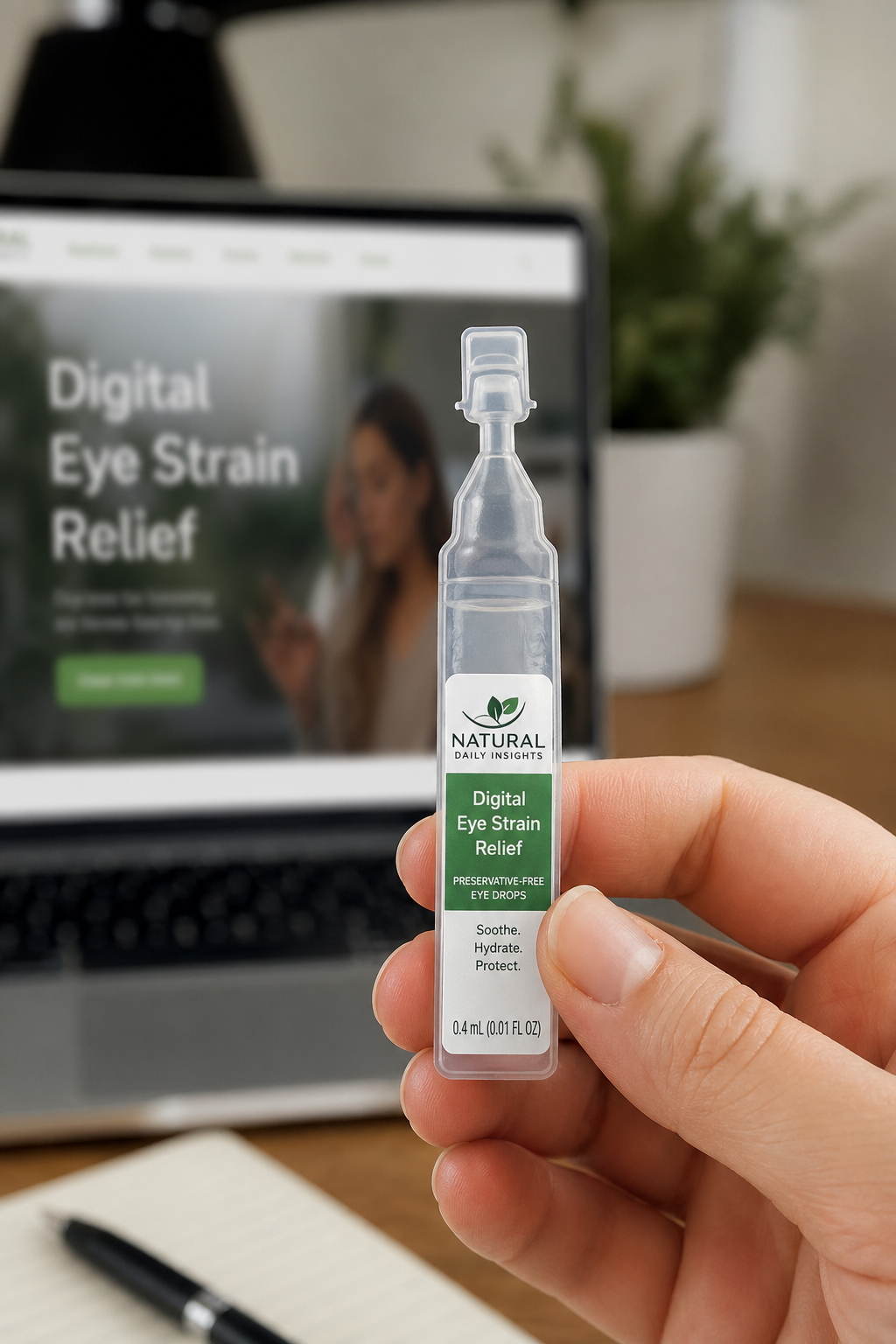
When you walk down the eye drop aisle, it’s overwhelming. There are dozens of bottles. But the most important decision is simple: choose preservative-free. Preservatives like benzalkonium chloride (BAK) can damage the ocular surface with frequent use. Dr. Kimberly Riordan at Florida Eye Specialists warns that chronic exposure to preservatives can actually make dryness worse. She recommends preservative-free drops for anyone using tears more than four times a day.
Which ones work best for digital eye strain? Based on our research and expert recommendations, here are top contenders:
| Eye Drop | Preservative-Free | Key Ingredients | Duration of Relief | Best For |
|---|---|---|---|---|
| iVizia Lubricant Eye Drops | Yes | Hyaluronic acid, sodium hyaluronate, trehalose | Up to 8 hours | All-day screen use, contact lens wearers |
| Systane Complete PF | Yes | Polyethylene glycol, propylene glycol (nano-droplet) | Up to 8 hours | All types of dry eye, sensitive eyes |
| Refresh Optive Mega-3 | Yes | Flaxseed oil, castor oil, glycerin | Varies, typically 4-6 hours | Evaporative dry eye, lipid deficiency |
| Biotrue Hydration Boost | Yes | Hyaluronan (naturally inspired) | Up to 6 hours | Mild to moderate dryness |
| Optase Dry Eye Intense | Yes | Sodium hyaluronate, glycerin | Varies | Sensitive eyes, moderate dryness |
Notice that iVizia and Systane Complete PF claim up to 8 hours of relief. That’s rare. According to our research, only 11% of eye drops disclose onset and duration. These two are the only ones that provide quantitative timing data. That transparency is why they stand out as some of the best eye drops for digital eye strain.
But duration isn’t everything. You also need to consider how the drop feels. Some drops, like Systane Complete, have a creamy consistency that can blur vision temporarily. That’s fine for a break but not while you’re in the middle of a video call. iVizia is thinner and less blurring. It also contains trehalose, which helps protect corneal cells. That’s a bonus.
Another factor is contact lens compatibility. All the drops above are safe with contacts, but always check the label. If you wear contacts, using a lubricating drop before and after insertion can reduce friction.
Finally, consider packaging. Single-use vials are more expensive but stay sterile. Multi-dose bottles with preservative-free technology (like a special valve) are more affordable and eco-friendly. Brands like iVizia and Biotrue offer such bottles.
For nutritional support, on top 22 vitamins for eye health in 2026.
Bottom line:Choose preservative-free eye drops from a brand that discloses its ingredients and duration, and match the formula to your specific dry eye type for the best relief from digital eye strain.
Step 3: Apply Eye Drops Correctly , Technique and Frequency
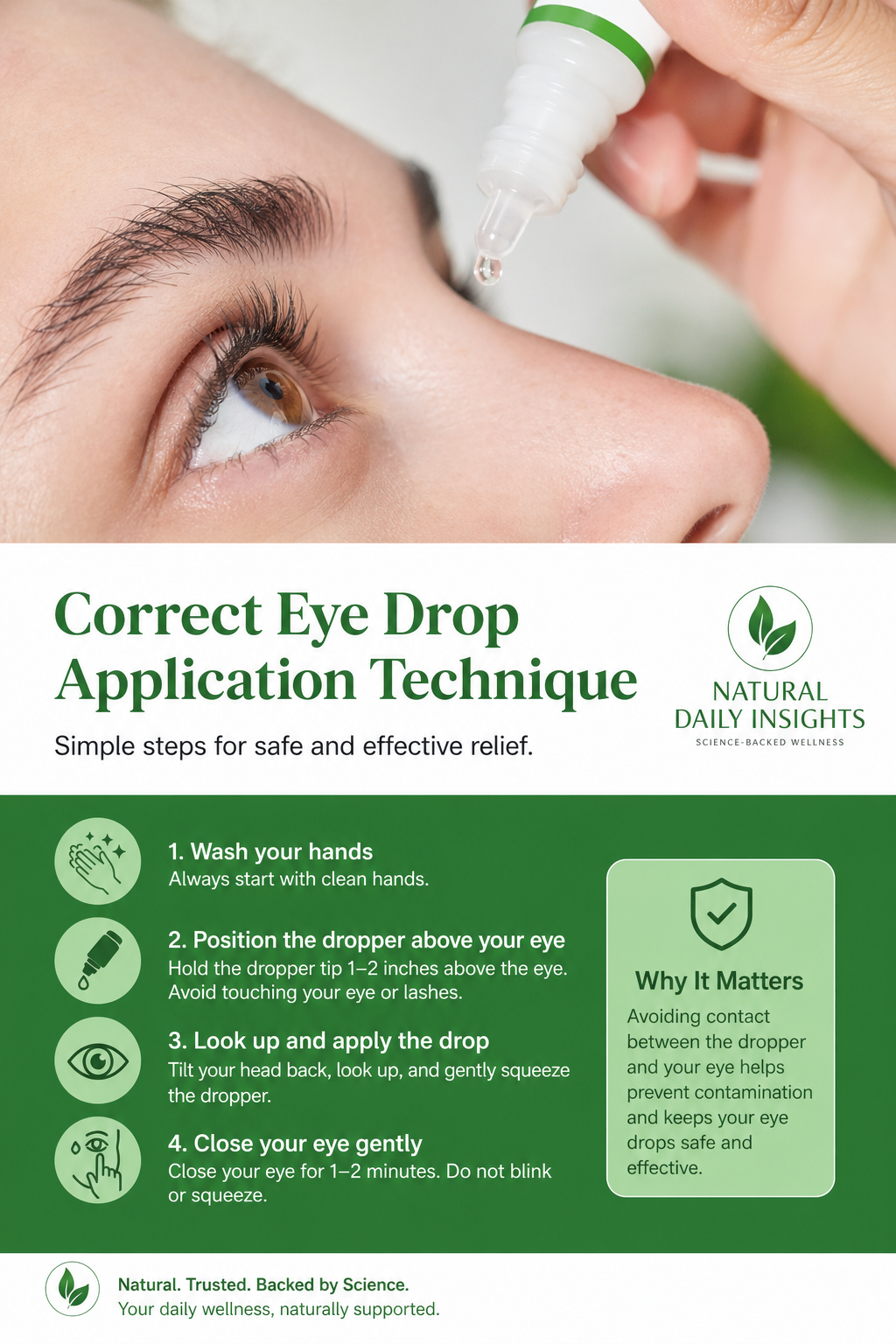
Even the best eye drops won’t help if you don’t use them properly. Many people miss the eye, waste drops, or contaminate the bottle. The American Academy of Ophthalmology provides a simple step-by-step method. Here’s how to get the drop in your eye every time.
First, wash your hands. Then shake the bottle if instructions say so. Tilt your head back and look up. Use one hand to pull down your lower eyelid, creating a pocket. Hold the dropper directly over the pocket, but don’t touch your eye or lashes. Squeeze one drop in. Release the lid and close your eye for a minute. Press gently on the inner corner of your eye (near your nose) to close the tear duct. This keeps the drop on your eye longer and prevents it from draining into your nose.
If you’re anxious about drops, try a different method: lie down, close your eyes, and place a drop in the corner of your eye near your nose. Then open your eyes and blink a few times. The drop will roll in.
How often should you use them? That depends on the type of drop and your symptoms. The AAO says preservative-free drops are safe to use as often as needed, even every hour. Preserved drops should not be used more than four times a day. For chronic digital eye strain, many eye doctors recommend using drops proactively: put a drop in before you start a long screen session, then again during breaks. Studies show that using drops four times a day for 30 days can resolve symptoms, with continued improvement over three to four months.
Remember, more isn’t always better. One drop is usually enough. The eye can only hold about one-tenth of a milliliter. Two drops just get blinked out. If you need to use multiple types of drops, wait 5 minutes between them so the first can absorb.
One common mistake is using drops past their expiration date. Preservatives degrade over time. Once a bottle is opened, bacteria can grow. That’s why single-use vials are great for travel or intermittent use. Never share your eye drops with others. That’s a fast track to infection.
“The worst thing you can do is touch the dropper tip to your eye. It picks up bacteria and contaminates the whole bottle.”
For contact lens wearers: take out your contacts before applying drops, or use drops specifically labeled for contact lens use. Wait at least 15 minutes before reinserting lenses to let the drop settle.
Bottom line:Learning eye drop application and following recommended frequency transforms any eye drop into an effective tool for managing digital eye strain.
Step 4: Complement Drops with Ergonomic and Lifestyle Adjustments
Eye drops are a quick fix, but long-term relief comes from changing how you use screens. The 20-20-20 rule is a good start. My Kids Vision recommends looking 20 feet away for 20 seconds every 20 minutes. This relaxes your focusing muscles and reminds you to blink. During those 20 seconds, blink deliberately several times to refresh your tear film.
But there’s more. Your screen position matters. Your screen should be at arm’s length (about 25 inches) and slightly below eye level. You should look slightly downward at the screen. This minimizes the surface area of your eyes exposed to air, reducing evaporation. Also, adjust brightness to match your environment. Too bright increases glare and squinting.
A 2021 review in Clinical Optometry found that digital screen use alters blinking dynamics and increases dry eye symptoms. The study also noted that proper ergonomics, like screen height and glare reduction, can help. Use a matte screen filter or adjust lighting to avoid reflections. Consider a humidifier in your workspace. Dry air from air conditioning or heating worsens tear evaporation.
Another powerful tool is the elbow rule: hold your device at arm’s length. This reduces eye strain from close focusing. For kids, this is especially important to prevent myopia progression. Spending time outdoors is also proven to reduce myopia risk. The combination of drops, breaks, and environment can dramatically reduce digital eye strain.
Don’t forget to blink. Yes, actually practice blinking. There are blinking exercises you can do to tone your eyelid muscles. It sounds silly, but it works. Every time you take a break, perform a few complete blinks (close your eyes fully, then open). This spreads the tear film evenly.
If you’re considering blue light glasses, read how to choose prescription blue light glasses in 2026.
Bottom line:Integrating simple ergonomic and lifestyle habits with your eye drop routine creates a complete approach to preventing and relieving digital eye strain.
Step 5: Know When to See an Eye Doctor for Persistent Symptoms
Eye drops and lifestyle changes work for most people. But sometimes symptoms persist. If you’ve been using the best eye drops for digital eye strain consistently for a few weeks and still feel discomfort, it’s time to see an eye doctor. Here are signs that warrant a professional evaluation:
- Severe or worsening dryness not relieved by drops
- Frequent eye infections or discharge
- Sudden vision changes or persistent blur
- Eye pain or redness that doesn’t go away
- Sensitivity to light (photophobia)
- Feeling like something is in your eye (foreign body sensation) that won’t wash out
An eye doctor can perform tests to diagnose the underlying cause. They can check for meibomian gland dysfunction, blepharitis, allergic conjunctivitis, or more serious conditions like corneal ulcers. They may prescribe prescription drops like cyclosporine (Restasis) or lifitegrast (Xiidra), or even punctal plugs to keep tears from draining too fast.
Don’t ignore persistent symptoms. Chronic dry eye can damage the cornea over time. A doctor can also help you choose the best eye drops for digital eye strain based on your specific dry eye type. Sometimes a drop that works for a friend may not work for you because you have a different root cause.
Bottom line:If your digital eye strain persists despite consistent use of eye drops and ergonomic adjustments, consult an eye care professional to rule out underlying conditions and explore advanced treatments.
Step 6: Explore Additional Support , Supplements and Visual Aids
Beyond drops, you can support your eyes from the inside out. Certain supplements have been shown to improve tear quality and reduce inflammation. Omega-3 fatty acids, for example, help produce healthy oils for the tear film. Lutein and zeaxanthin protect the retina from blue light damage. Astaxanthin is a powerful antioxidant that may improve blood flow to the eyes. For a full list, on top supplements for vision health.
Visual aids can also help. Blue light glasses are popular, but the evidence they reduce eye strain is mixed. However, computer glasses with a slight plus power (add) can reduce focusing strain. Prism glasses can help if you have convergence issues. For some, migraine glasses with FL-41 tint reduce light sensitivity and headaches. on affordable options like how to find affordable blue light blocking glasses.
Some people also benefit from ergonomic tools like monitor arms, screen filters, and specialized desk lamps. The goal is to create an eye-friendly environment that minimizes the need for drops.
If you’re looking for high-quality supplements, Natures Zest offers natural options that support eye health as part of a full wellness regimen.
Bottom line:Dietary supplements and visual aids can enhance the effects of eye drops, providing a full defense against digital eye strain.
Conclusion
Digital eye strain doesn’t have to ruin your day. The best eye drops for digital eye strain can provide immediate relief, but they work best as part of a bigger strategy. Start by recognizing the symptoms. Then choose a preservative-free drop that fits your needs. Apply it correctly to get the full benefit. Pair it with good habits like the 20-20-20 rule, proper screen setup, and blinking exercises. If symptoms persist, see an eye doctor. And consider adding supplements and visual aids to support your eyes long term.
Remember, your eyes aren’t designed for hours of close-up screen work. But with the right tools and habits, you can keep them comfortable and healthy. At Natural Daily Insights – Clarity Edition, we’re committed to helping you maintain clear vision through research-backed guidance. Explore our other resources on eye health for more tips and support.
Take care of your eyes. They’re the only pair you’ve got.
Frequently Asked Questions
Can I use eye drops if I wear contact lenses?
Yes, but choose preservative-free drops specifically labeled for contact lens use. Many brands like iVizia and Systane Complete PF are safe with contacts. Apply them before inserting your lenses or after removal. Wait at least 15 minutes after using drops before putting your contacts in. Avoid drops with preservatives like benzalkonium chloride, as they can accumulate on lenses and cause irritation.
How often can I use lubricating eye drops for digital eye strain?
Preservative-free drops are safe to use as often as you need, even every hour. Preserved drops should not be used more than four times a day to avoid preservative toxicity. For chronic digital eye strain, many doctors recommend using drops four times daily for at least 30 days. Always follow the instructions on the package and consult your eye doctor for personalized advice.
What is the difference between eye drops with preservatives and without?
Preservatives like benzalkonium chloride are added to multi-dose bottles to prevent bacterial growth. They can irritate the ocular surface with frequent use, especially if you have dry eye. Preservative-free drops come in single-use vials or special multi-dose bottles with a non-contaminating valve. They are safer for long-term, frequent use and are recommended for moderate to severe dry eye symptoms from digital strain.
Do blue light glasses help with digital eye strain?
The American Academy of Ophthalmology states there is no scientific evidence that blue light from screens causes eye damage. Digital eye strain is primarily caused by poor blinking habits and focusing strain, not blue light. While blue light glasses may reduce glare and improve sleep by blocking blue light in the evening, they are not a substitute for lubricating drops and proper ergonomics for treating eye strain.
Can diet and supplements replace eye drops for digital eye strain?
No. Supplements like omega-3s and lutein support tear production and retinal health, but they take weeks to months to show effect. They are a complement, not a replacement. For immediate relief during screen sessions, lubricating eye drops are essential. A full approach combining drops, supplements, and ergonomics offers the best results for managing digital eye strain.
What should I do if my eye drops aren’t helping?
First, check if you are using preservative-free drops and applying them correctly. Try a different brand with a different active ingredient (e.g., switch from a water-based to a lipid-based drop). If symptoms persist after two weeks of consistent use, see an eye doctor. You may have an underlying condition like meibomian gland dysfunction or blepharitis that requires prescription treatment.