
Sudden blurry vision can feel like a glitch in reality. One moment you’re reading a screen, the next everything looks hazy. That shift can be harmless or it can signal a dee you’ll discover what causes sudden blurry vision, how lifestyle and health factors play a role, and exactly when you need to act fast.
What Is Sudden Blurry Vision?
Blurred vision means the picture your eye makes isn’t sharp. It can happen in one eye or both, and it may last seconds, minutes, or longer. When the blur appears quickly, the brain registers it as a warning signal. The eye itself may be fine, but the nerves, blood vessels, or the brain’s visual center could be sending an alarm.
Because the eye is linked to the rest of the body, a sudden change can hint at systemic issues. Research shows that many cases are tied to blood‑sugar spikes, yet only a few sources list natural ways to help. Wikipedia explains that the blur can stem from refractive errors, dry surface, or neurological disturbances.
Special Health Report
The "Hidden" Arctic Berry: How this rare ingredient is being used to nourish optic nerves and improve night vision.
Download Special Report →How do you know what’s happening? First, note the speed of onset. If it comes on within minutes, treat it as urgent. Second, check for accompanying symptoms , headache, eye pain, or loss of peripheral vision. Third, consider recent habits: long screen time, new medications, or a recent injury.
Most people experience occasional blur after a night of poor sleep. That type usually resolves with rest. The dangerous kind sticks around and may worsen if ignored. Understanding the difference helps you decide whether a simple home remedy will do, or if you need a professional eye exam.
Natural Daily Insights – Clarity Edition often points readers toward evidence‑backed habits that keep the visual system stable. For example, our vision‑health guide lists daily practices that reduce strain and support retinal health.
Common Medical Causes
Medical conditions are the most frequent culprits of a rapid loss of clarity. Below are the top three that show up in clinical data.
1. Diabetes and high blood sugar.When glucose levels rise, fluid shifts into the lens, making it swell. That swelling changes the eye’s focus and creates a foggy view. Over time, high sugar damages tiny retinal vessels, leading to diabetic retinopathy , a serious, often silent threat. The CDC’s overview of diabetes‑related vision loss notes that regular dilated eye exams can catch damage early.
Special Health Report
Scientific Breakthrough: The 2026 Ocular Protocol that restores macular density and sharpens distance vision in weeks.
See The Full Protocol →Managing blood sugar is the most actionable step you can take. Simple habits like spacing carbs, walking after meals, and staying hydrated help keep spikes down. If you already have diabetes, talk to your doctor about tighter HbA1c targets.
2. Hypertension.High blood pressure strains the delicate vessels that feed the retina. A sudden surge can cause retinal hemorrhage, which appears as a dark spot or sudden blur. Controlling blood pressure with diet, exercise, and medication reduces this risk.
3. Inflammation or infection.Conditions such as uveitis or optic neuritis trigger swelling in the eye’s interior. The swelling disrupts light transmission, leading to rapid blur. These issues often come with pain, redness, or light sensitivity, signaling you should seek care right away.
Beyond the big three, thyroid eye disease, multiple sclerosis, and certain medications (like corticosteroids) can also produce a quick blur. The common thread is a change in fluid balance, blood flow, or nerve signaling.
Natural mitigation is limited for many of these causes, which is why the data highlight metabolic control as the most usable self‑care angle. Adding antioxidant‑rich foods, staying active, and keeping a consistent sleep schedule all support vascular health.
For a deeper look at nutrients that protect the eye, check out our supplement overview. It breaks down which vitamins actually back up clinical studies.
Vision‑Related Emergencies
Some causes demand immediate medical attention. Missing the window can lead to permanent vision loss. Below is a quick reference table that matches symptoms with the urgent actions you should take.
Retinal detachment is especially tricky because it often occurs without pain. The vitreous gel inside the eye shrinks with age, pulling on the retina and sometimes creating a tear. Once fluid seeps through the tear, the retina pulls away from its blood supply.
Wikipedia’s article on retinal detachment outlines the anatomy and why timely re‑attachment is critical. Treatments range from laser sealing of small tears to surgical insertion of a gas bubble that pushes the retina back into place.
If you notice any of the warning signs, don’t wait for the blur to improve on its own. Even a few hours can make the difference between a quick fix and a lifelong visual deficit.
Our team at Natural Daily Insights – Clarity Edition recommends that anyone over 50 schedule a complete dilated exam at least once a year. Early detection of retinal issues can spare you from emergency surgery.
Lifestyle and Environmental Triggers
Beyond medical disease, everyday habits can tip the balance toward a sudden blur. The good news is you can often reverse or prevent these triggers with simple changes.
Digital eye strain.Staring at screens for hours forces the ciliary muscles to stay contracted. When you finally look away, the muscles are fatigued and focus becomes fuzzy. The 20‑20‑20 rule , every 20 minutes, look 20 feet away for 20 seconds , gives the muscles a reset.
Dry eye is another frequent offender. Low humidity, air conditioning, and contact lens wear all reduce tear film stability. Artificial tears or a humidifier can restore the smooth surface needed for clear vision.
Alcohol and nicotine constrict blood vessels, reducing oxygen delivery to the retina. Even moderate drinking can cause temporary lens swelling, especially if you’re dehydrated.
Nutrition matters too. Diets low in omega‑3 fatty acids, lutein, and zeaxanthin leave the retina vulnerable to oxidative stress. Adding fatty fish, leafy greens, and eggs supports the photoreceptors that turn light into sight.
Environmental glare , bright sunlight reflecting off snow or water , can overload the eye’s protective mechanisms. Wearing anti‑glare sunglasses with proper UV protection reduces the strain and shields against long‑term damage.
For a visual snapshot of a healthy eye routine, see the image below.
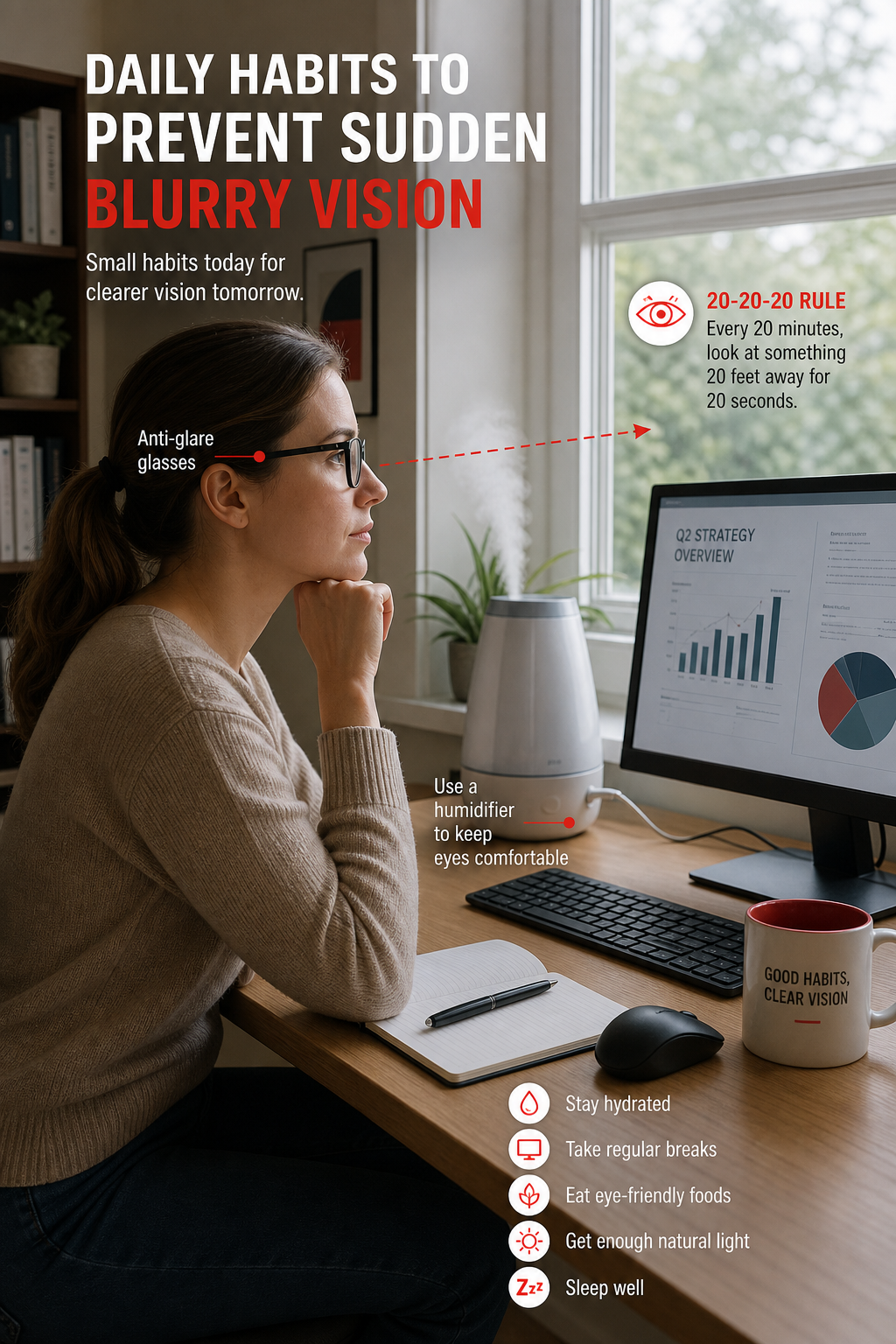
Integrating these habits doesn’t require a major lifestyle overhaul. Start with one change, like setting a timer for the 20‑20‑20 rule, and build from there. Over weeks, you’ll notice less fatigue and steadier focus.
Our guide How to Improve Vision Naturally walks you through each habit with easy‑to‑follow steps.
When to Seek Immediate Care
Knowing when blur is an emergency can save sight. Below are the red‑flag scenarios that demand prompt medical attention.
1.Sudden loss of vision in one eye.Even if the other eye looks fine, this is a classic sign of retinal detachment or a vascular event.
2.Flashes of light or a curtain‑like shadow.These indicate a tear or detachment that needs surgical repair within 24‑48 hours.
3.Severe eye pain with nausea.This could be acute angle‑closure glaucoma, which can cause irreversible damage in hours.
4.Rapid swelling, redness, or discharge.An infection inside the eye (endophthalmitis) spreads quickly and can destroy tissue.
5.Blur accompanied by a headache, weakness, or speech changes.These systemic signs suggest a stroke affecting the visual pathways.
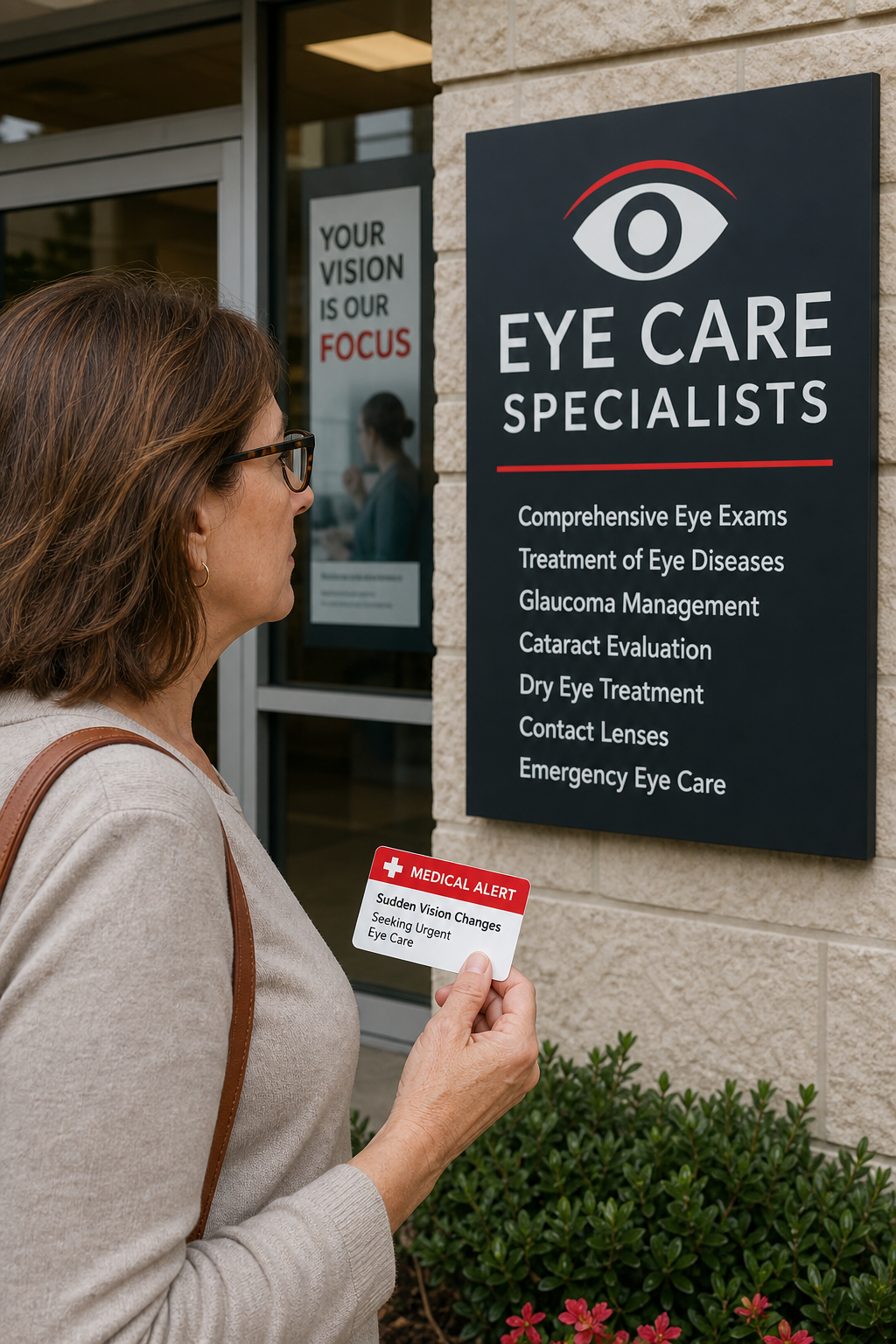
When any of these appear, call emergency services or head straight to an eye‑care ER. Do not wait for the blur to improve on its own.
The CDC’s stroke‑signs page lists the FAST warning signs and reminds you that vision loss can be one of them.
While you’re on the way to care, avoid rubbing the eye and keep the head still. If you wear contacts, remove them gently to prevent further irritation.
After emergency treatment, follow‑up care is essential. Your doctor may prescribe eye drops, recommend a brief period of visual rest, or schedule imaging to confirm the eye’s structure is back in place.
For a quick checklist you can carry in your bag, see our retinal‑health supplement guide. It lists the nutrients that support recovery after an emergency.
Conclusion
Sudden blurry vision is a signal that something in your visual system , or the body that supports it , has shifted. It can be as harmless as eye fatigue, or as serious as retinal detachment. The key is to recognize the pattern, act on red‑flag symptoms, and address the underlying health drivers.
We’ve highlighted three medical pillars: blood‑sugar control, blood‑pressure management, and inflammation reduction. Lifestyle tweaks like the 20‑20‑20 rule, proper hydration, and UV‑blocking glasses give your eyes daily resilience. And when the warning signs line up with an emergency, swift medical care is non‑negotiable.
Natural Daily Insights – Clarity Edition is here to help you build those habits and stay ahead of the warning signs. Explore our eye‑health supplement guide for evidence‑backed nutrition, and check out our multivitamin roundup for a convenient daily option.
Remember: your vision is a window to your overall health. When it blurs suddenly, treat it as a call to check both your eyes and the systems that feed them.
Frequently Asked Questions
What should I do if my vision suddenly becomes blurry in both eyes?
If the blur appears in both eyes at the same time, first note any accompanying symptoms such as headache, nausea, or light sensitivity. Check for recent triggers like high‑dose caffeine, prolonged screen use, or a sudden rise in blood sugar. If the blur lasts more than a few minutes or is accompanied by pain or visual field loss, seek urgent medical evaluation. Bilateral blur can signal systemic issues like severe hypertension or a neurological event, so don’t delay.
Can dehydration cause sudden blurry vision?
Yes. Dehydration reduces the volume of the tear film that keeps the eye’s surface smooth. A thin tear layer scatters light, leading to a temporary foggy view. Rehydrate by drinking water and using preservative‑free artificial tears. If the blur persists after rehydration, consider other causes such as blood‑sugar spikes or early cataract changes.
How quickly can diabetic retinopathy cause blurry vision?
Diabetic retinopathy often develops slowly, but a sudden spike in blood glucose can cause the lens to swell, creating immediate blur. Chronic high sugar also damages retinal capillaries, leading to micro‑aneurysms that may leak fluid and cause sudden vision changes. Regular dilated eye exams and tight glucose control can catch early signs before they become symptomatic.
Are eye drops effective for sudden blur caused by dry eye?
Artificial tears can restore the tear film and improve clarity within minutes if dryness is the root cause. Choose preservative‑free drops if you use them frequently, as preservatives can irritate the surface. If you find yourself needing drops multiple times a day, it’s a sign of an underlying condition that warrants a professional evaluation.
What role does nutrition play in preventing sudden blurry vision?
Nutrition fuels the retina and supports the blood vessels that feed it. Omega‑3 fatty acids, lutein, and zeaxanthin act as antioxidants and filter harmful blue light. Consuming fatty fish, leafy greens, and eggs daily can reduce oxidative stress that leads to temporary blur. Supplements that meet the AREDS‑2 formulation provide additional support for aging eyes.
When is floaters a sign of a serious problem?
Occasional floaters are common and usually harmless. A sudden increase in number, especially with flashes of light, can indicate a retinal tear or detachment. In that case, the blur may be accompanied by a shadow or curtain across part of the visual field. Treat this as an emergency and seek ophthalmic care within hours.
Can high blood pressure cause sudden blurry vision without pain?
Yes. Hypertensive retinopathy can cause the retinal vessels to leak fluid, leading to swelling and blurred vision. This often occurs without pain, making it easy to overlook. Monitoring blood pressure regularly and maintaining a low‑sodium diet helps prevent these silent episodes.
Should I wear glasses if I experience occasional blur?
Glasses can correct refractive errors that cause intermittent blur, such as mild nearsightedness. However, if the blur is sudden and unrelated to distance, lenses won’t fix the underlying issue. A complete eye exam can determine whether a prescription will help or if further medical testing is needed.