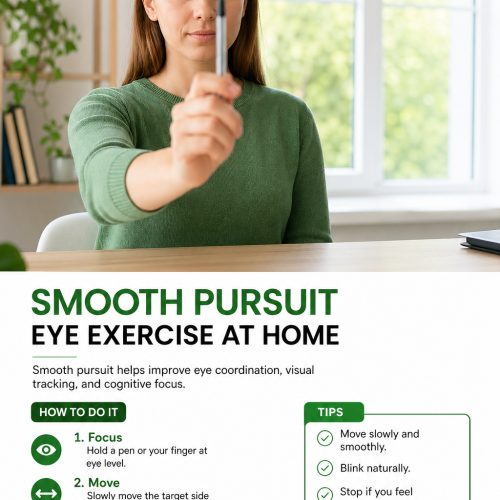

Ever wonder if you can actually sharpen your sight without surgery or pricey glasses? It’s a question more people are asking. And the answer is yes, partly. Your vision isn’t fixed. You can train it, feed it, and protect it. In this guide, I’ll walk you through 19 science-backed ways toimprove vision naturally. These aren’t gimmicks. They’re real habits you can start today. We’ll cover eye exercises, nutrition, lifestyle tweaks, and even some cutting-edge concepts. Stick with me. You’ll get a clear roadmap for better eyesight.
1. Practice the 20-20-20 Rule
You’ve probably heard this one before. But do you actually do it? The 20-20-20 rule is simple: every 20 minutes, look at something 20 feet away for 20 seconds. This gives your eye muscles a break. When you stare at a screen, your ciliary muscle stays squeezed. Over time, that leads to strain and blur. The American Optometric Association recommends this rule to reduce digital eye strain. It works because it forces your eyes to shift focus. They get a mini reset. Set a timer if you need to. Do it consistently. Your eyes will thank you.
Bottom line:Taking regular 20-second breaks to look into the distance helps prevent digital eye strain and supports long-term visual comfort.
Special Health Report
Digital Eye Strain: New research reveals the specific nutrient that shields your retina from permanent blue light damage.
Protect My Vision Now →2. Incorporate Eye Exercises
Eye exercises can strengthen your visual system. One common exercise is pencil push-ups. Hold a pencil at arm’s length. Slowly bring it toward your nose while keeping it in focus. Once it doubles, pull back. This trains your eyes to converge. But here’s the catch: studies show pencil push-ups alone aren’t very effective for convergence insufficiency. Office-based vision therapy with a specialist works better. Still, for general eye health, simple exercises like near-far focus can help. Try focusing on your thumb for 15 seconds, then on a distant object for 15 seconds. Repeat 5 times. It’s like reps for your eyes.
Bottom line:While some eye exercises have mixed evidence, near-far focus and other drills can improve flexibility and reduce strain when done correctly.
3. Try Active Focus Training
Active focus is a term popularized by Jake Steiner from Endmyopia. The idea is to challenge your eyes to see clearly without your full prescription. You look at a blurry object and try to make it snap into focus. It’s not magic. It’s training your ciliary muscle to relax and contract more efficiently. This method is often used with lower-dioptre glasses. For example, if your prescription is -4.00, you might wear -3.75 for distance. The key is to avoid over-correcting for close-up work. Active focus should be done for short periods. Think of it as a workout, not a permanent crutch. Steiner’s community reports improvements, but it requires patience.
Bottom line:Active focus targets the eye’s focusing system and may help reduce dependence on strong prescriptions when practiced safely.
4. Perform Smooth Pursuit and Accommodation Drills
Special Health Report
Deep-Sea Discovery: Researchers uncover a simple 30-second "Ocular Detox" ritual that flushes away vision-stealing plaque naturally.
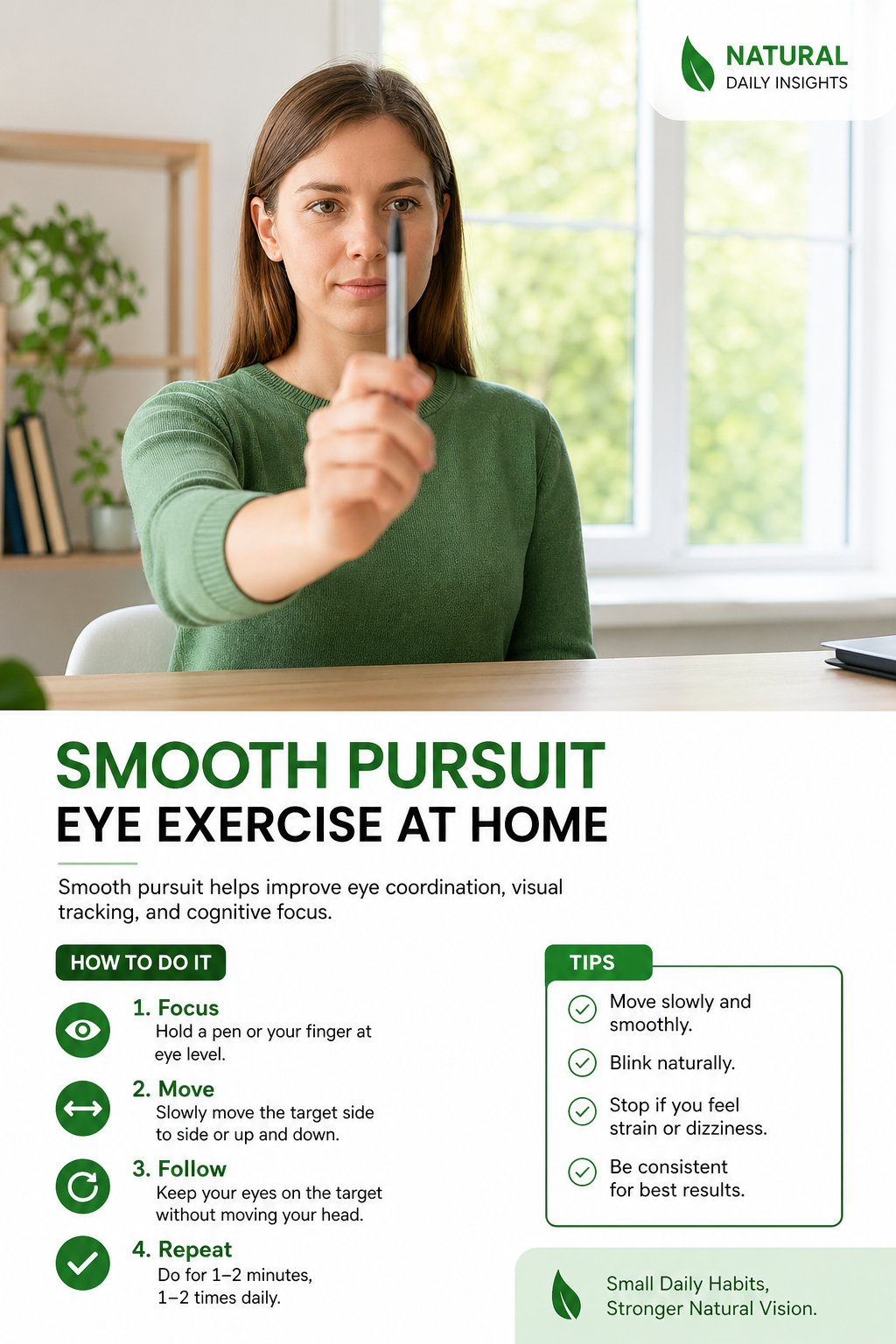
Read The Full Report →These drills train your eyes to track moving objects and switch focus smoothly. Smooth pursuit is when you follow a moving target, like a finger or a ball. Accommodation drills involve shifting focus between near and far. Andrew Huberman, a Stanford neurobiologist, recommends these for improving visual clarity. A simple drill: hold a pen at arm’s length. Slowly move it in a figure-eight pattern while keeping it in focus. Do this for 30 seconds. Then try switching focus between a near object and a far one every few seconds. These exercises stimulate the neural pathways that control eye movements. They can help reduce lag and improve reaction time.
“Smooth pursuit and accommodation are like stretching for your eyes, they keep the system flexible.”
Bottom line:Regular smooth pursuit and accommodation drills enhance eye coordination and focusing speed, which can reduce strain during near work.
5. Adopt a Nutrient-Dense Diet
Your eyes need specific nutrients to stay healthy. Lutein and zeaxanthin are key. They protect the macula from blue light damage. According to a randomized controlled trial published in PubMed, 15 mg of lutein three times a week improved visual acuity and glare sensitivity. Vitamin A, vitamin C, vitamin E, zinc, and omega-3s also matter. Eat leafy greens like spinach and kale. Add eggs, carrots, and citrus fruits. Fatty fish like salmon provide DHA, a structural component of the retina. A diet rich in these nutrients can slow age-related macular degeneration and keep your vision sharp.
| Nutrient | Benefits | Food Sources |
|---|---|---|
| Lutein & Zeaxanthin | Protect macula, improve contrast | Spinach, kale, egg yolks |
| Vitamin A | Essential for night vision | Carrots, sweet potatoes, liver |
| Omega-3 (DHA) | Supports retinal structure | Salmon, sardines, flaxseeds |
| Vitamin C | Antioxidant, prevents cataracts | Oranges, bell peppers, strawberries |
Bottom line:Prioritizing nutrient-dense foods like leafy greens and fatty fish can significantly support long-term eye health and vision clarity.
6. Include Seed-Specific Nutrition
Seeds are powerhouses for eye health. Flaxseeds, chia seeds, hemp seeds, pumpkin seeds, and sunflower seeds all offer unique benefits. Flaxseeds are rich in omega-3s. Chia seeds contain alpha-linolenic acid, which converts to DHA. But you need to prepare them correctly. Dr. Alan Mandell recommends grinding chia seeds before eating, otherwise they pass through undigested. Pair them with a fat source like coconut oil to boost absorption. Pumpkin seeds provide zinc and lutein, but soaking them overnight with lemon juice helps reduce phytic acid. A simple daily routine: add ground flaxseeds to your oatmeal, sprinkle hemp seeds on salad, and eat a handful of sunflower seeds with avocado. Consistency is key.
Bottom line:Properly prepared seeds deliver essential fatty acids and antioxidants that support tear production and protect the lens.
7. Use Cold-Water Rinses for Circulation
Cold water can stimulate blood flow to your eyes. It sounds simple, but it works. Splashing cold water on your closed eyes several times a day may reduce puffiness and increase circulation. Dave Asprey, the Bulletproof Coffee guy, recommends this as part of his eye health routine. The cold water constricts blood vessels temporarily, then they dilate, bringing fresh oxygen and nutrients. It can also help with dry eyes by triggering a reflexive blinking and tear production. Just make sure the water is clean. Do it in the morning and after screen time.
Bottom line:Cold-water rinses are a quick, low-cost way to boost ocular circulation and refresh tired eyes.
8. Optimize Circadian Rhythm and Red Light Exposure
Your eyes have special cells called melanopsin retinal ganglion cells. They detect blue light and tell your brain it’s daytime. But at night, blue light from screens can mess up your sleep. To protect your eyes and sleep, use warm lighting in the evenings. Some biohackers use red light therapy in the morning. Red light at specific wavelengths may help repair retinal cells. Asprey claims that 10 minutes of red light near the eyes supports mitochondrial function. The science is still emerging, but getting natural sunlight early in the day is proven to regulate your circadian rhythm. Spend at least 10 minutes outside after waking.
“Morning sunlight is the most powerful signal for your eyes and brain to sync your body clock.”
Bottom line:Managing light exposure, especially morning sunlight and reducing blue light at night, supports both eye health and overall well-being.
9. Understand Ocular Motor Nerves and Muscle Training
Your eyes are controlled by six muscles. These muscles are innervated by cranial nerves. When you look left, right, up, or down, specific nerves fire. Training these muscles is like doing bicep curls for your eyes. Dr. Ekberg, a chiropractor and health educator, explains that eye muscle training can help with eye strain and even improve visual perception. Simple exercises: move your eyes slowly to the left, hold, then to the right. Repeat in all directions. Also try rolling your eyes in circles. These exercises strengthen the extraocular muscles and improve coordination. But don’t overdo it. Stop if you feel pain.
Bottom line:Just like any other muscle, the ocular muscles benefit from targeted movement to maintain flexibility and strength.
10. Engage in Cardiovascular Exercise
Cardio isn’t just for your heart. It’s also for your eyes. Regular exercise increases blood flow to the retina. A study in PMC found that at least 150 minutes of moderate aerobic activity per week enhanced retinal blood flow and overall ocular health. Activities like brisk walking, cycling, or swimming can lower intraocular pressure and reduce the risk of glaucoma. Exercise also helps control blood sugar and blood pressure, both of which can damage eyes. So get moving. Your eyes will see the benefits.
Bottom line:Cardiovascular exercise boosts blood flow to the eyes and helps prevent chronic conditions that impair vision.
11. Wear UV-Protective Sunglasses
UV rays are harmful to your eyes. They can cause cataracts and macular degeneration. Always wear sunglasses that block 100% of UVA and UVB rays. Look for a label that says UV400 or 100% UV protection. The CDC emphasizes that sunglasses are essential for eye health. Even on cloudy days, UV rays can penetrate. Wear them whenever you’re outside. Polarized lenses also reduce glare, making it easier to see. And don’t forget a wide-brimmed hat for extra protection.
Bottom line:Consistent use of UV-blocking sunglasses prevents cumulative damage that leads to cataracts and other eye diseases.
12. Reduce Prolonged Near Work
Staring at phones and books for hours is tough on your eyes. It forces the ciliary muscle to stay contracted. Over time, this can lead to myopia, especially in children. Research from CooperVision suggests that working distances shorter than 20-30 cm increase myopia risk. The fix: take breaks every 20-30 minutes. Get up and look at something far away. Ideally, go outside. Bright outdoor light helps slow myopia progression. Even just 2 hours a day outdoors can make a difference. For adults, reducing near work can relieve eye strain and headaches. So put down the phone and look at a tree.
“Outdoor time is the most effective non-surgical intervention for myopia prevention.”
Bottom line:Reducing continuous near work and increasing distance viewing, especially outdoors, helps prevent myopia and digital eye strain.
13. Ensure Proper Lighting and Reduce Glare
Bad lighting makes your eyes work harder. Too dim or too bright both cause strain. Position your screen so it’s not directly in front of a window. Use blinds to control natural light. For desk work, use a task light that illuminates your reading material without creating glare on the screen. The AOA recommends that the brightness of your screen should match the environment. Reduce overhead lights if they cause reflections. You can also use anti-glare screen protectors. Your eyes will feel less tired.
Bottom line:Proper lighting setup reduces eye strain and improves visual clarity during near work.
14. Get Regular Complete Eye Exams
An eye exam isn’t just about checking if you need glasses. It can detect hidden health issues. High blood pressure, diabetes, and even brain tumors can show up in your eyes first. According to Complete Vision Care, optometrists can see changes in retinal blood vessels that signal systemic disease. The American Optometric Association recommends a complete exam every year if you’re over 60, or every two years for adults under 60. Children should get exams before starting school. Catching problems early saves your sight.
Bottom line:A complete eye exam goes beyond vision; it’s a window to your overall health and should be a priority.
15. Manage Systemic Health Conditions
Your overall health directly affects your eyes. High blood pressure can cause hypertensive retinopathy. Diabetes leads to diabetic retinopathy. Both can cause vision loss if unchecked. The Iowa Eye Center notes that controlling blood pressure through diet, exercise, and medication can prevent eye damage. Keep your blood sugar stable. Monitor your cholesterol. These steps protect the tiny blood vessels in your retina. If you have a family history of hypertension or diabetes, be extra vigilant. Manage your health, and your eyes will benefit.
Bottom line:Controlling blood pressure and blood sugar is crucial for preventing vascular damage to the retina and preserving vision.
16. Quit Smoking for Better Eye Health
Smoking is terrible for your eyes. It doubles your risk of developing cataracts and macular degeneration. The CDC’s Tips from Former Smokers campaign highlights that smokers are more likely to experience vision loss. Chemicals in tobacco smoke damage blood vessels in the retina. They also cause oxidative stress in the lens. The good news: quitting lowers the risk. Even if you’ve smoked for years, stopping can slow the progression of eye disease. Your eyesight is worth it.
“Nothing is worth losing your sight over. Quitting smoking is the single best thing you can do for your eye health.”
Bottom line:Smoking accelerates cataracts and macular degeneration; quitting is one of the most effective ways to protect your vision long-term.
17. Use Progressive Lower-Dioptre Glasses
The theory behind progressive lower-dioptre glasses is simple: wear a slightly weaker prescription for near work and sometimes for distance too. This forces your eyes to work harder to focus, potentially slowing myopia progression. Jake Steiner’s Endmyopia community promotes this method. They claim it reduces lens dependence over time. But it’s not without risk. If you undercorrect too much, you might strain your eyes. Always consult an eye doctor before changing your prescription. The idea is to use the lowest prescription that still gives you clear vision for the task. For example, if you’re -3.00, try -2.75 for computer work. Keep the full power for driving.
Bottom line:Progressive lower-dioptre glasses can be part of a myopia management plan, but require professional guidance to avoid over-straining.
18. Track Vision Changes with Measurement Logs
You can’t improve what you don’t measure. Keep a log of your visual acuity. You can use a home Snellen chart or a smartphone app. Record your results weekly. Note any changes in blur, strain, or comfort. Also track your near work and outdoor time. This data helps you see patterns. For example, you might notice that after a week of less screen time, your vision is clearer. Jake Steiner recommends measurement logs to see small improvements over months. It’s motivating. It also helps your eye doctor adjust your prescription. Be consistent. Write it down.
Bottom line:A simple measurement log helps you to monitor your progress and make informed decisions about your eye care routine.
19. Practice Palming and Sunning Techniques
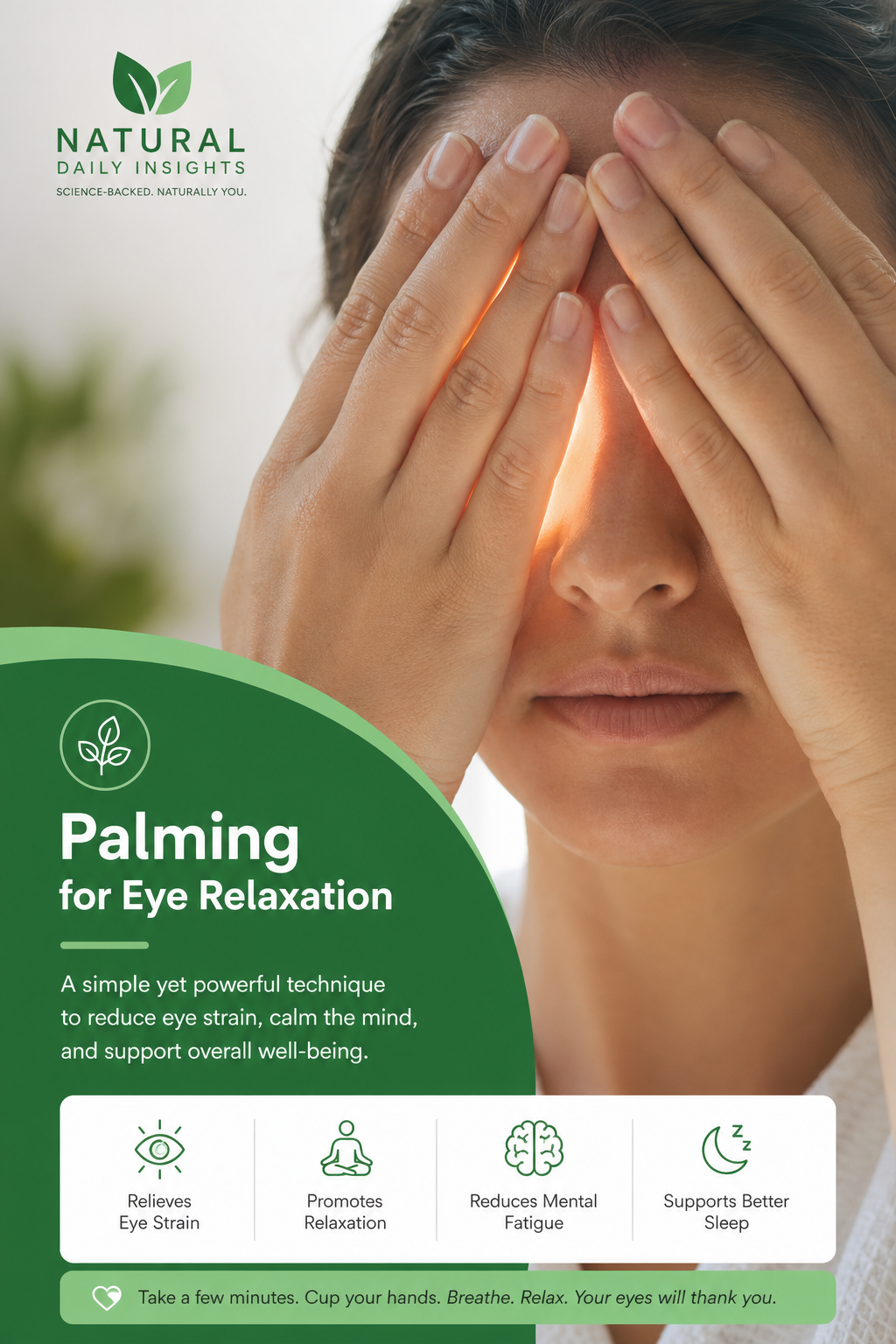
Palming is a relaxation technique from the Bates method. Rub your hands together to create warmth. Place the palms over your closed eyes without pressing. Sit for a few minutes and breathe deeply. It helps calm your visual system. Sunning involves closing your eyes and facing the sun. The gentle light stimulates retinal cells. But be careful: never look at the sun with open eyes, and don’t do it for more than a few minutes. These techniques are controversial, evidence is anecdotal. But many people find them relaxing. Use them as a complement, not a cure.
Bottom line:While not scientifically proven, palming and sunning can reduce eye fatigue and serve as a meditative break from screens.
Frequently Asked Questions
Can eye exercises really improve vision naturally?
Yes, but for specific issues like convergence insufficiency or eye strain. They won’t correct refractive errors like myopia permanently, but they can improve focusing ability and reduce discomfort. Combining exercises with lifestyle changes offers the best results.
How long does it take to improve vision naturally?
It varies. Some people notice reduced strain within days. Structural changes like reduced myopia can take months of consistent practice. Tracking your progress with a log helps you stay motivated. Patience is key.
What foods help improve vision naturally?
Leafy greens (kale, spinach), eggs, fatty fish, citrus fruits, nuts, and seeds. These provide lutein, zeaxanthin, vitamin C, vitamin E, zinc, and omega-3s. A balanced diet is essential for retinal health and preventing age-related decline.
Is the 20-20-20 rule effective?
Yes, it’s a simple and effective way to reduce digital eye strain. Taking a 20-second break every 20 minutes gives your ciliary muscle a chance to relax. It’s endorsed by the American Optometric Association.
Can sunlight improve eyesight?
Indirect sunlight and outdoor time help prevent myopia in children. The bright light stimulates dopamine production, which slows eye growth. For adults, moderate sunlight exposure supports circadian rhythm and vitamin D synthesis, but always protect your eyes with UV-blocking sunglasses.
Are there any risks with eye exercises?
Some exercises, like pencil push-ups alone, are ineffective. Overdoing active focus can cause eye strain or headaches. Always start gently and stop if you feel pain. Consult an eye doctor before starting any new routine.
Do supplements like lutein help?
Yes. Clinical studies show lutein supplementation (15 mg three times a week) improves visual acuity and glare sensitivity. But supplements should complement a healthy diet, not replace it. Choose high-quality brands.
Can I reverse my need for glasses naturally?
Complete reversal is unlikely for most people, but some have reduced their prescription through consistent training like active focus and lower-dioptre lenses. It requires discipline and professional supervision. Safety first.
Conclusion
Improving your vision naturally is a journey, not a quick fix. The 19 tips you just read are backed by research and real-world practice. Start small. Pick one or two habits this week. Maybe it’s the 20-20-20 rule or adding more lutein to your diet. Track your progress. Be patient. Your eyes are incredibly adaptive. By combining nutrition, exercise, and smart lifestyle changes, you can support your vision for years to come. Don’t forget regular eye exams, they catch problems early. You have the tools. Now it’s time to act. Your eyes are worth it. If you want a structured daily guide, check out our Top Supplements for Vision Health (2026 Review) to round out your routine. And for more on reducing screen strain, read our How to Choose Prescription Blue Light Glasses in 2026. Take care of your eyes today, they’ll thank you tomorrow.