
Your macula works like a tiny natural sunscreen, filtering harsh blue light and keeping detail sharp. The good news is you can thicken that protective shield without a prescription. Below is a hands‑on plan that lets you raise macular pigment density using everyday foods, smart supplement timing, and a simple 30‑day challenge.
Step 1: Assess Your Current Diet and Baseline
First, write down what you eat for a typical week. Track meals, snacks, and drinks in a notebook or phone app. Look for sources of lutein and zeaxanthin , leafy greens, broccoli, corn, and eggs are the main carriers. If you’re already hitting those foods, note the portion sizes.
Next, get a baseline measure of your macular pigment optical density (MPOD). Some eye clinics offer a quick, non‑invasive scan that tells you where you stand. The reading helps you see how much room you have for improvement.
Special Health Report
Digital Eye Strain: New research reveals the specific nutrient that shields your retina from permanent blue light damage.
Protect My Vision Now →Why measure? A baseline reading helps you understand where you stand and how much you can improve over time. If your readings come back low, it’s worth learning how to spot macular degeneration early warning signs so you can act before the pigment thins further.
Once you have both a food log and MPOD score, you can compare the two. Spot gaps , maybe you eat greens but never pair them with fat, or you skip eggs entirely. That gap becomes your target for the next steps.
Natural Daily Insights – Clarity Edition offers a quick guide on how to find a reputable MPOD test near you, should you need help locating a clinic.
Step 2: Incorporate Lutein‑ and Zeaxanthin‑Rich Foods
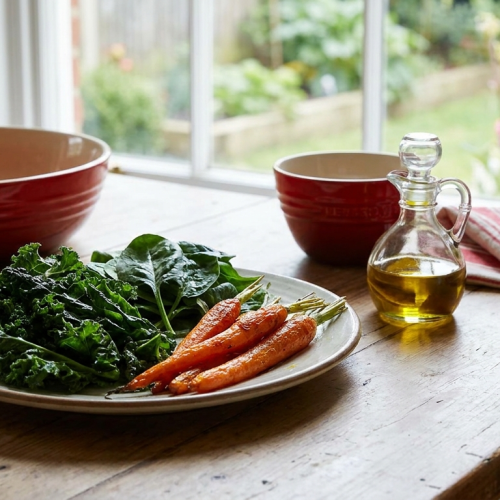
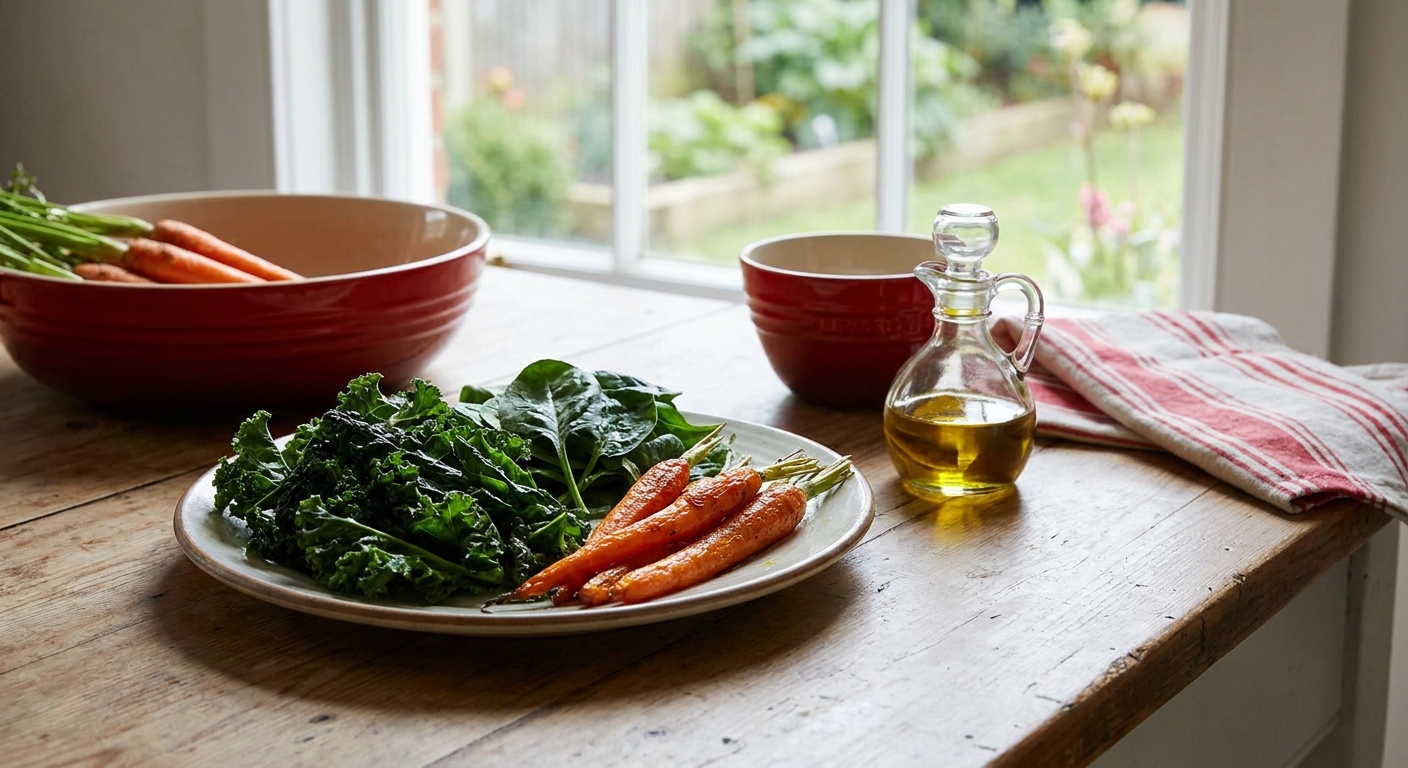
Load your plate with foods that deliver the two carotenoids your macula craves. Spinach, kale, and collard greens each provide about 3‑4 mg lutein per cooked cup. Corn offers a similar amount of lutein but its evidence rating is lower, so treat it as a supplemental source.
Special Health Report
The "Hidden" Arctic Berry: How this rare ingredient is being used to nourish optic nerves and improve night vision.
Download Special Report →Egg yolks are a natural delivery system because the fat in the yolk boosts absorption. One large yolk gives roughly 0.5 mg lutein and a modest amount of zeaxanthin. Pairing a boiled egg with a slice of whole‑grain toast and a drizzle of olive oil makes a quick, high‑bioavailability snack.
Don’t forget colorful vegetables like red bell peppers and orange carrots , they add beta‑carotene, which works alongside lutein to protect retinal cells. A handful of pistachios or a tablespoon of chia seeds adds both zeaxanthin and a dose of omega‑3s.
Make a habit of rotating these foods throughout the week. For example, schedule spinach smoothies on Monday, kale salads on Wednesday, and an egg‑and‑avocado toast on Friday. That rotation keeps your nutrient intake steady and avoids boredom.
Pro Tip: Lightly sauté greens in a teaspoon of olive oil; the heat breaks cell walls, and the oil supplies the fat needed for optimal carotenoid uptake.
Step 3: Optimize Timing and Bioavailability
When you take lutein/zeaxanthin matters. Research shows that consuming these carotenoids with a meal that contains 5‑10 g of fat improves plasma levels by up to 40 %.
Plan to eat your carotenoid‑rich foods at lunch or dinner rather than as a standalone snack. A study using a sunflower‑oil suspension found a statistically significant MPOD rise when participants took a lutein/zeaxanthin supplement with dinner ( clinical trial).
Evening timing aligns with the eye’s nightly repair cycle. Your retina works harder to clear oxidative waste at night, so feeding it the raw materials just before sleep can help the repair process.
If you prefer a supplement, choose one formulated in a lipid base , many use sunflower‑oil or mixed‑tocopherol carriers for that reason. To compare formulations and find the right dose, review this guide on the high bioavailability lutein dosage for macular health, which breaks down absorption and quality factors.
Remember to stay consistent. Skipping meals or taking the supplement on an empty stomach will blunt the benefit and may stall progress.
Step 4: Add Omega‑3s and Antioxidant Support
Omega‑3 fatty acids, especially DHA, make up half of the retinal cell membranes. Without enough DHA, those cells become stiff and inflamed, which weakens the macular shield.
Fatty fish like sardines, mackerel, and salmon are the most direct sources. A 3.5‑ounce serving of sardines supplies 1,200‑1,500 mg of omega‑3s and virtually no mercury, making it a safe, high‑impact choice for eye health.
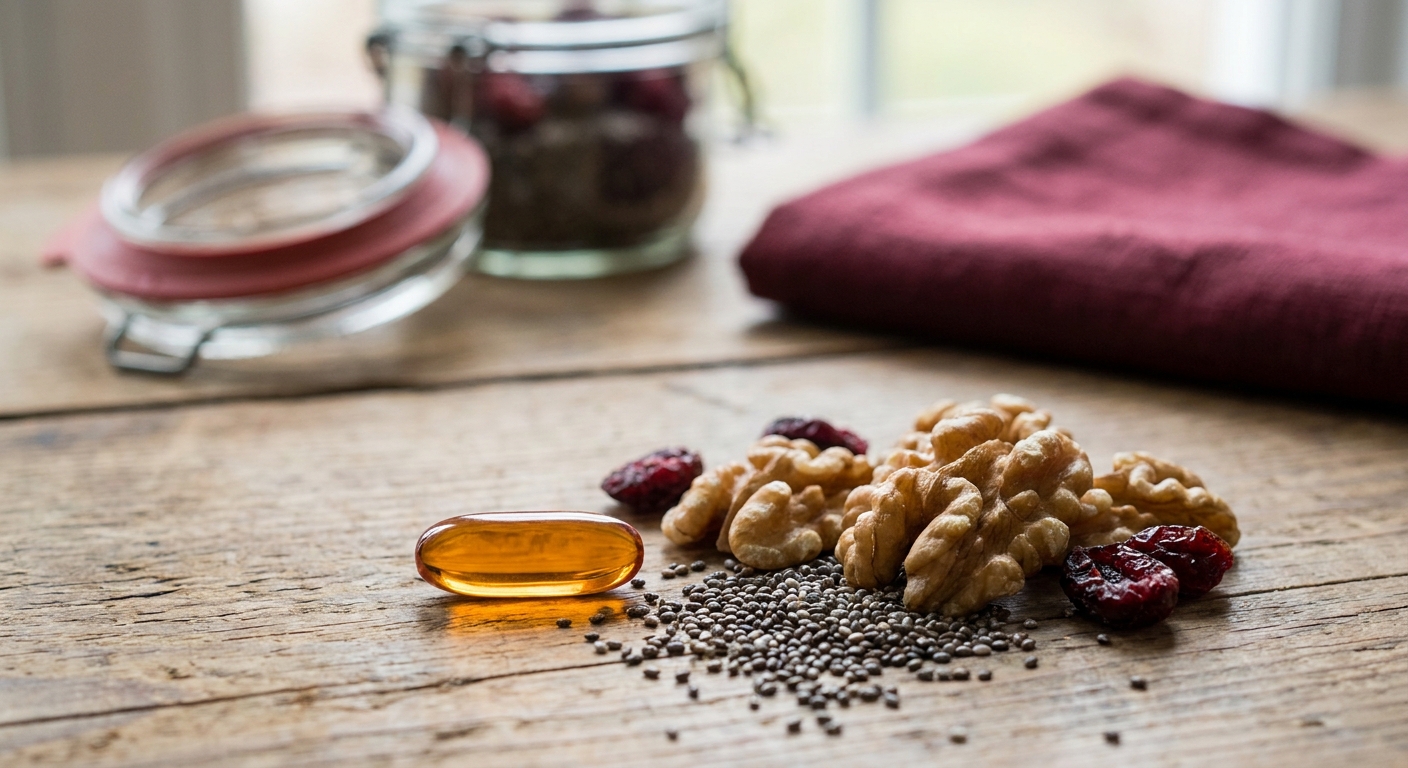
For plant‑based eaters, walnuts and chia seeds provide ALA, which the body can convert partially to DHA. Pair them with a source of vitamin E (such as almonds) to protect the fatty acids from oxidation.
Antioxidants such as vitamins C and E, zinc, and copper help neutralize free radicals that would otherwise damage the macular pigment. A balanced diet that includes citrus fruit, bell peppers, and a handful of nuts covers those bases.
By bundling omega‑3s with lutein‑rich foods, you create a synergistic effect: the fats improve carotenoid absorption, and the antioxidants keep the pigments from degrading.
Step 5: Implement a 30‑Day Food Challenge
Put the plan into action with a simple 30‑day challenge. Each day, aim for at least one lutein‑rich food and a source of healthy fat. Track your meals on a spreadsheet or phone app so you can see patterns.
Here’s a quick template you can copy:
- Breakfast: Spinach omelet cooked in olive oil
- Snack: Handful of pistachios
- Lunch: Kale salad with avocado and a drizzle of flaxseed oil
- Dinner: Grilled sardines with roasted vegetables
At the end of the month, repeat your MPOD scan. Most participants in peer‑reviewed studies see a measurable boost after 12 weeks; a 30‑day effort often shows the first hint of change, especially if you were low to start.
If you need a printable worksheet, Natural Daily Insights – Clarity Edition offers a free 30‑day tracker that you can download from their vision‑improvement guide.
Step 6: Lifestyle Tweaks for Blood Flow & Inflammation
Beyond diet, circulation and inflammation play a big role in macular health. Regular light‑to‑moderate exercise , brisk walking, cycling, or yoga , boosts ocular blood flow and helps deliver nutrients to the retina.
Limit smoking and excess alcohol, both of which increase oxidative stress. If you spend long hours in front of screens, follow the 20‑20‑20 rule: every 20 minutes, look at something 20 feet away for 20 seconds. That habit reduces chronic blue‑light strain, allowing the macular pigment to do its job without overload.
Manage systemic inflammation with a Mediterranean‑style diet: plenty of olive oil, nuts, fish, and fresh produce. That pattern lowers C‑reactive protein levels, which correlates with slower macular thinning.
For a deeper dive on inflammation and eye health, see the best lutein supplement guide, which also covers formulation quality.
When you combine these lifestyle tweaks with the nutrition plan, you create a full‑body environment that supports the macula’s natural repair mechanisms.
Frequently Asked Questions
Can I see a change in my vision in just a month?
Yes, many people report sharper contrast and less glare within 30 days, especially if they start with low baseline MPOD. Objective MPOD measurements usually need 8‑12 weeks to show a statistically significant rise, but subjective improvements can appear sooner.
Do I need a prescription supplement to raise macular pigment?
No, over‑the‑counter lutein/zeaxanthin supplements with 10 mg lutein and 2 mg zeaxanthin are sufficient for most adults. Choose a product that uses a lipid carrier, such as sunflower‑oil, for better absorption.
Is meso‑zeaxanthin worth adding?
Evidence is mixed. Some trials found no significant MPOD boost from meso‑zeaxanthin alone, so focus first on lutein and zeaxanthin before adding the third carotenoid.
How often should I get my MPOD measured?
An initial baseline, followed by a repeat test after 3 months of consistent nutrition, gives you a clear picture of progress. If you’re on a long‑term plan, an annual check keeps you on track.
Can I get enough lutein from food alone?
Yes, if you eat leafy greens daily and pair them with healthy fats. However, many people find a supplement helpful to guarantee the dose, especially when appetite or cooking habits limit vegetable intake.
Will these steps help with age‑related macular degeneration?
Macular pigment helps filter harmful light and supports retinal health. While diet alone isn’t a cure, it is widely regarded as a sensible protective strategy.
Ready to start? Grab the free 30‑day tracker from Natural Daily Insights – Clarity Edition and schedule your first MPOD scan. Your macula will thank you.