
You want to know if a daily pill can slow macular degeneration. The answer isn’t a magic fix, but the science behind AREDS2 shows real value for many people. This guide explains what to look for in a quality AREDS2‑style supplement, how to read labels, and usable steps you can take in 2026. You’ll learn what the formula includes, how to spot good packaging, how to balance dosage with safety, and how to integrate these nutrients into daily routines. We’ll also debunk myths and teach you how to separate solid evidence from hype. For a quick, curated view, see Top 5 Best Eye Supplements for Clear Vision in 2026.
Top AREDS2 Supplement Formulas
The AREDS2 formula is the go‑to for many eye doctors. It replaces the old beta‑carotene risk with lutein and zeaxanthin, two carotenoids that concentrate in the macula and help filter blue light. This shift came after smoking risks were linked to beta‑carotene in the original AREDS, and the newer mix showed comparable protections with fewer risks. In practice, clinicians often recommend AREDS2 for people at intermediate risk of AMD progression. The core idea is straightforward: a precise blend of antioxidants and minerals can slow the move from intermediate to advanced disease for many patients.
Clinical guidance from the National Eye Institute has long supported AREDS2 as a tested option. The AREDS2 overview explains why lutein and zeaxanthin replace beta‑carotene and how the revised ratio still aims to reduce progression to advanced AMD. This is not a cure, but evidence suggests a meaningful reduction in risk for eligible individuals when the formula is taken as directed with meals. For a concise, official summary of how AREDS2 works and who benefits, linked here: AREDS2 overview.
Special Health Report
Deep-Sea Discovery: Researchers uncover a simple 30-second "Ocular Detox" ritual that flushes away vision-stealing plaque naturally.
Read The Full Report →Among consumer formulas, the lutein/zeaxanthin pair is typically provided at around 10 mg lutein and 2 mg zeaxanthin per day, complemented by zinc and copper to maintain mineral balance. Some products pair in additional antioxidants like vitamins C and E, though the exact dosages vary. A usable note: many patients do well when they take a standard AREDS2 formulation with a fat‑containing meal to aid absorption. If you’re comparing brands, aim for products that clearly list lutein and zeaxanthin as the core carotenoids and avoid beta‑carotene if you smoke or have a smoking history. Best Eye Health Supplements of 2026.
In the literature, AREDS2’s proven risk reduction remains a central talking point. A landmark shift occurred when beta‑carotene was replaced with lutein and zeaxanthin, reducing cancer risk signals in smokers and broadening applicability. You’ll often s and patient guides, particularly when comparing older AREDS1 formulations to AREDS2. For a deeper look at the original and follow‑on trials, s tied to AREDS findings: AREDS original results (PubMed) and AREDS2 follow‑up (PubMed).
Key Nutrients & Bioavailability Tricks
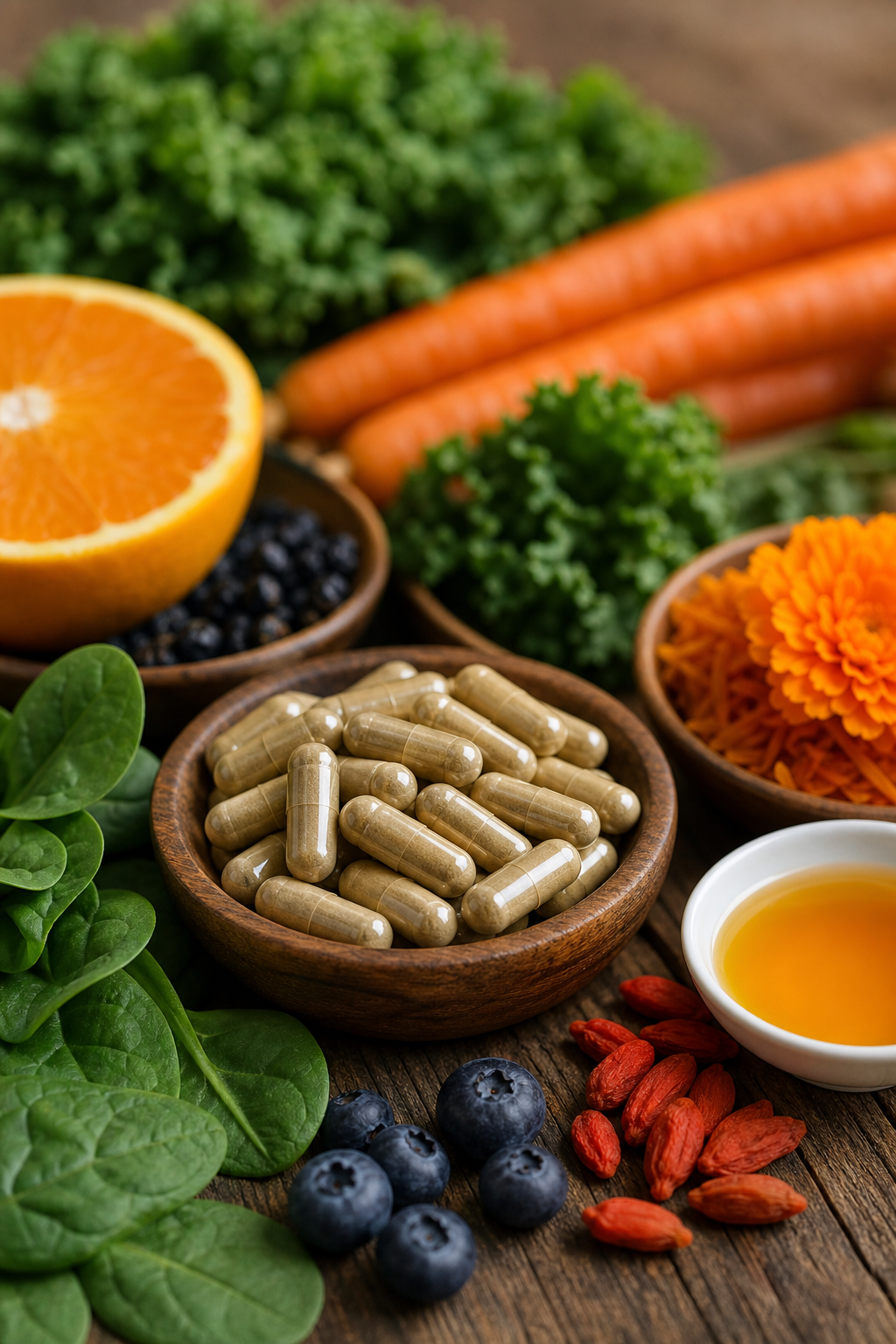
Beyond AREDS2, the landscape of eye nutrition includes lutein and zeaxanthin as the backbone carotenoids, plus zinc, vitamin C, and vitamin E. These nutrients work together to support antioxidant defense, macular pigment density, and retinal cell health. In practice, the way a nutrient is delivered matters as much as the dose. Bioavailability, how well the body absorbs and uses a nutrient, directly affects whether a product actually moves the needle. That’s why some products emphasize micellized forms or lipid carriers and why others jump on new hype without supporting data.
From a clinical perspective, lutein and zeaxanthin accumulate in the macula and help filter blue light, supporting contrast and glare reduction. They’re often paired with zinc to sustain enzyme function in the retina. Research on this combination isn’t just about lab numbers; it translates to real‑world benefits like steadier reading in low light and improved visual comfort during screen use. When you pick a product, check that the carotenoids come from reliable sources and that the label includes the exact lutein/zeaxanthin quantities aligned with evidence‑based ranges. This helps you separate perfumed claims from data‑driven effects. For a broader look at 2026 developments, see Best Lutein and Zeaxanthin Supplements for Eye Health.
Special Health Report
Scientific Breakthrough: The 2026 Ocular Protocol that restores macular density and sharpens distance vision in weeks.
See The Full Protocol →Another common claim in the market is omega‑3 palatability and potency. Omega‑3s, especially DHA, support retinal membranes and may aid dry eye symptoms. The evidence for omega‑3s in AMD is not as consistent as AREDS2 for progression slowing, so many clinicians treat omega‑3s as a complementary choice rather than a primary AMD‑slowing strategy. When evaluating omega‑3 claims, look for evidence about the form (triglyceride vs ethyl ester), the source (sustainably sourced fish or algae), and the daily dose. For a trusted entry on omega‑3s and eye health, consider the link between the peer‑reviewed guidance and usable dosing, including potential interactions with medications you take. If you want to explore warning signs or early risks, see How to Spot Macular Degeneration Early Warning Signs in 2026.
To improve absorption, some products pair nutrients with bioavailability enhancers like piperine (from black pepper) or use advanced delivery systems. Piperine can enhance curcumin absorption, for example, and nanocarrier delivery can increase tissue penetration in some cases. The catch is that absorption is influenced by many factors, including age, digestion, and concomitant meals. When you shop, ask about absorption data and look for products that explain how they improve uptake, not just how much nutrient is present. The goal is to move from a big dose on the bottle to a meaningful dose in the retina. For a closer look at early warning signs and timing, check the Early Warning Signs resource linked above. AREDS data via PubMed and AREDS2 follow‑up (PubMed).
Key takeaways: choose lutein/zeaxanthin as the core carotenoids, verify zinc balance, and favor products that discuss absorption. Avoid over‑hyped claims that lack evidence of improved bioavailability. And remember: supplements are a support tool, not a replacement for medical care or lifestyle habits that protect vision. If you’re curious about signs that AMD may be present or progressing, consult the macular warning signs resource as a usable first step. Macular Degeneration Early Warning Signs.
Choosing High‑Quality Supplements: Brand & Cost Factors
When you pick a supplement, quality matters more than hype. Look for brands that publish full ingredient lists, precise dosages aligned with AREDS2, and transparent sourcing. An effective strategy is to favor products produced in facilities with GMP certification and to look for third‑party testing seals (such as USP or NSF). These signals don’t guarantee perfection, but they reduce the odds of fillers, misleading labels, or inconsistent potency. In 2026, you’ll also see more products that disclose capsule sizes and daily dosage schedules, important details for daily routines and adherence. A well‑made product should be easy to take, compatible with meals, and clearly labeled with the AREDS2‑aligned dosages.
Cost matters too, but price alone isn’t a verdict. A simple, balanced approach is to compare monthly costs at the same total daily dose and to consider long‑term use. A generic lutein/zeaxanthin combo can be far cheaper than a full AREDS2 blend with zinc and copper, but you should confirm the exact nutrient mix and whether it matches the evidence base. If you’re evaluating price, do a side‑by‑side check of per‑day cost and per‑mg nutrient cost. This helps you separate true value from marketing fluff. For a usable overview of senior‑focused options and cost considerations, you can reference Top 5 Eye Supplements for Seniors in 2026.
Quality and cost intersect with packaging and dosing practicality. Some brands reduce capsule counts, which can make adherence easier but may require higher per‑capsule doses. Others push multiple capsules per day, which can hamper daily routines. In the end, the best choice balances AREDS2 accuracy, absorption transparency, and your daily habits. A careful read of the label, a quick calculation of daily intake, and a quick check for third‑party testing will help you avoid common traps. To compare aging‑eye options that emphasize usable dosing and safety, see Best Eye Health Supplements of 2026.
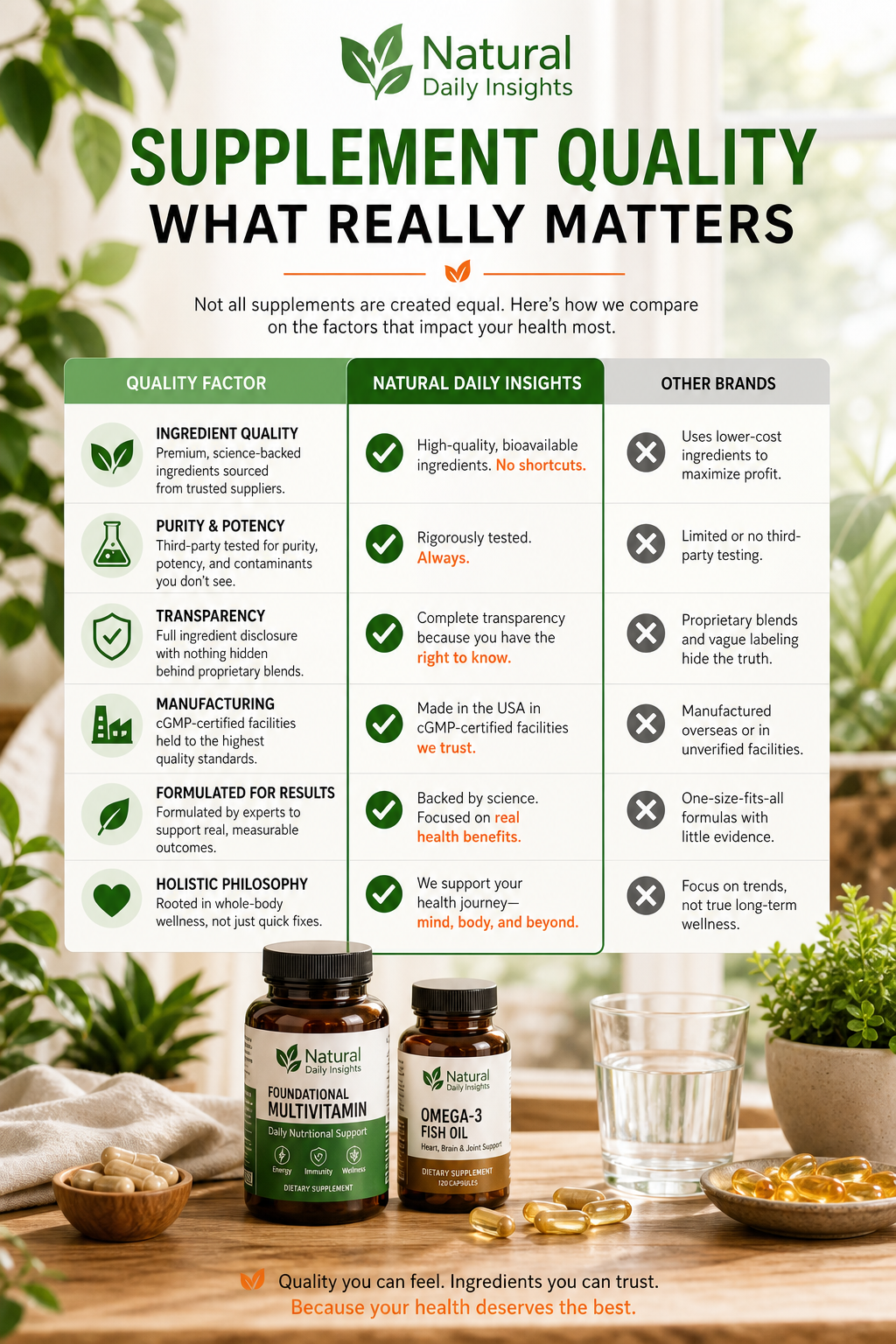
Within the broader market, the host brand Natural Daily Insights , Clarity Edition emphasizes evidence‑based eye health guidance. We’ve curated accessible, science‑backed routines to support healthy eyes as you age. For readers seeking a compact, evidence‑aligned shortlist of options, see Top 5 Best Eye Supplements for Clear Vision in 2026 as a quick reference. If you’re focused on seniors who may value budget and simplification, check Top 5 Eye Supplements for Seniors in 2026 for a usable starting point.
Conclusion
In the end, the evidence points to AREDS2 as the anchor for slowing AMD progression among those who meet the criteria. Lutein and zeaxanthin replace beta‑carotene to reduce potential risks, while zinc and copper keep retinal enzymes working. Omega‑3s can be a helpful add‑on for some people, but the data on slowing AMD progression is less strong than AREDS2 alone. Your best path is to talk with your eye doctor about whether AREDS2 makes sense for you, and then choose a product that clearly lists doses and sources, aligns with the AREDS2 formula, and provides transparent quality signals. You’ll want a plan that fits your daily routine, not a bottle that sits unused on the shelf. Pair supplementation with a diet rich in leafy greens, fish, and colorful produce, plus non‑pharmacologic habits like screen breaks, sleep, and regular exercise. The combination of clinical guidance and usable daily action gives you the best chance to maintain clear, comfortable vision as you move through 2026 and beyond.
Frequently Asked Questions
1) What exactly is AREDS2, and who should consider taking it?
AREDS2 is a vitamin and mineral formula studied by researchers to slow the progression of age‑related macular degeneration (AMD) in people at risk of advanced disease. It replaces beta‑carotene with lutein and zeaxanthin and adds zinc and copper to maintain balance. The strongest evidence shows benefit for people with intermediate AMD or with a high risk of progression. It’s not a preventive for healthy eyes, and you should discuss your risk profile with an eye care professional before starting. If you fit the target group, AREDS2 can reduce the chance of moving to advanced AMD and preserve central vision longer, though it may not work for everyone.
2) Do omega‑3s work as well as lutein/zeaxanthin for AMD?
Omega‑3s, especially DHA, support retinal membranes and may help with dry eye. They are a solid addition for overall eye health, but the strongest, consistent evidence for slowing AMD comes from AREDS2’s lutein/zeaxanthin and zinc combination. Some patients notice subjective benefits in comfort or contrast sensitivity when taking omega‑3s, but they should not be counted on as the primary AMD‑slowing strategy. If you enjoy fatty fish or a high‑quality omega‑3 supplement, it can be part of a healthy eye routine, as long as it doesn’t replace AREDS2 where indicated.
3) How should I take AREDS2 supplements safely?
Take AREDS2 exactly as directed on the label, usually one soft gel twice daily with meals. Do not exceed the recommended daily dose. If you have a smoking history, avoid beta‑carotene and choose a lutein/zeaxanthin‑based product. Talk to your clinician about potential interactions with medications, especially minerals like zinc that can affect copper absorption if taken in high amounts over long periods. Regular supervision helps ensure you don’t miss contraindications, and it keeps your plan aligned with the latest guidance from official sources like the NIH’s AREDS2 overview.
4) Can AREDS2 prevent AMD in healthy people?
No. AREDS2 is designed to slow progression in people who already show signs of AMD or are at high risk. It is not proven to prevent AMD in people who are entirely healthy or have no signs of the disease. Maintaining eye health relies on a combination of diet, lifestyle, medical risk management (like smoking cessation and blood sugar control), and appropriate supplementation when advised by an eye care professional. If you don’t have AMD but have risk factors, focus on overall eye health strategies and discuss screening with your doctor.
5) Are high zinc levels in AREDS2 a safety concern?
High zinc doses can cause urinary issues and, in rare cases, other health problems when used long‑term. AREDS2 typically uses a zinc dose lower than the original formulation, balancing efficacy with safety. If you have kidney disease, urinary symptoms, or a history of prostate concerns, talk with your clinician about whether the standard AREDS2 dose is right for you. Copper is included to prevent zinc‑induced copper deficiency, a risk at very high zinc intakes. Regular monitoring and adherence to the label reduce potential risks.
6) How can I evaluate supplement quality beyond the label?
Look for products that clearly state AREDS2 component dosages, lutein/zeaxanthin amounts, and zinc/copper balance. Check if the brand uses GMP manufacturing, and look for third‑party testing seals (USP, NSF). Transparent sourcing and a straightforward ingredient list help you avoid hype and fillers. Ask about absorption data or delivery forms and whether the product discloses the source of lutein and zeaxanthin. A well‑documented product makes it easier to compare with other options and align with clinical guidance.
7) Should I combine AMD supplements with lifestyle changes?
Yes. Supplements work best when paired with a diet rich in leafy greens, fatty fish, and colorful fruits and vegetables. Regular exercise, smoking cessation, adequate sleep, and blue light management (breaks from screens, proper lighting) provide a broad protection net for eye health. While AREDS2 targets a retinal crowding of risk, lifestyle factors support overall vascular health and may influence AMD risk indirectly. Treat supplements as one part of a complete plan, not a lone solution.