
Ever wonder why your eye doctor keeps mentioning lutein and its cousin zeaxanthin? In the next few minutes we’ll break down how these tiny carotenoids keep your retina sharp, boost sleep, and even give your brain a little extra glow, plus the simple tricks to make sure your body actually uses them. These two pigments are found in high concentrations in the macula, the center of your vision. And here’s the kicker: your body can’t make them. You have to get them from food or supplements. Studies show that even low doses (under 5 mg) can nudge your macular pigment, but the biggest gains plateau around 20 mg. So whether you’re staring at screens all day or worried about aging eyes, understanding the lutein and zeaxanthin benefits for eyes is a game-changer. Let’s dive into the top five benefits, backed by real research.
1. Shield Your Eyes from Age-Related Macular Degeneration
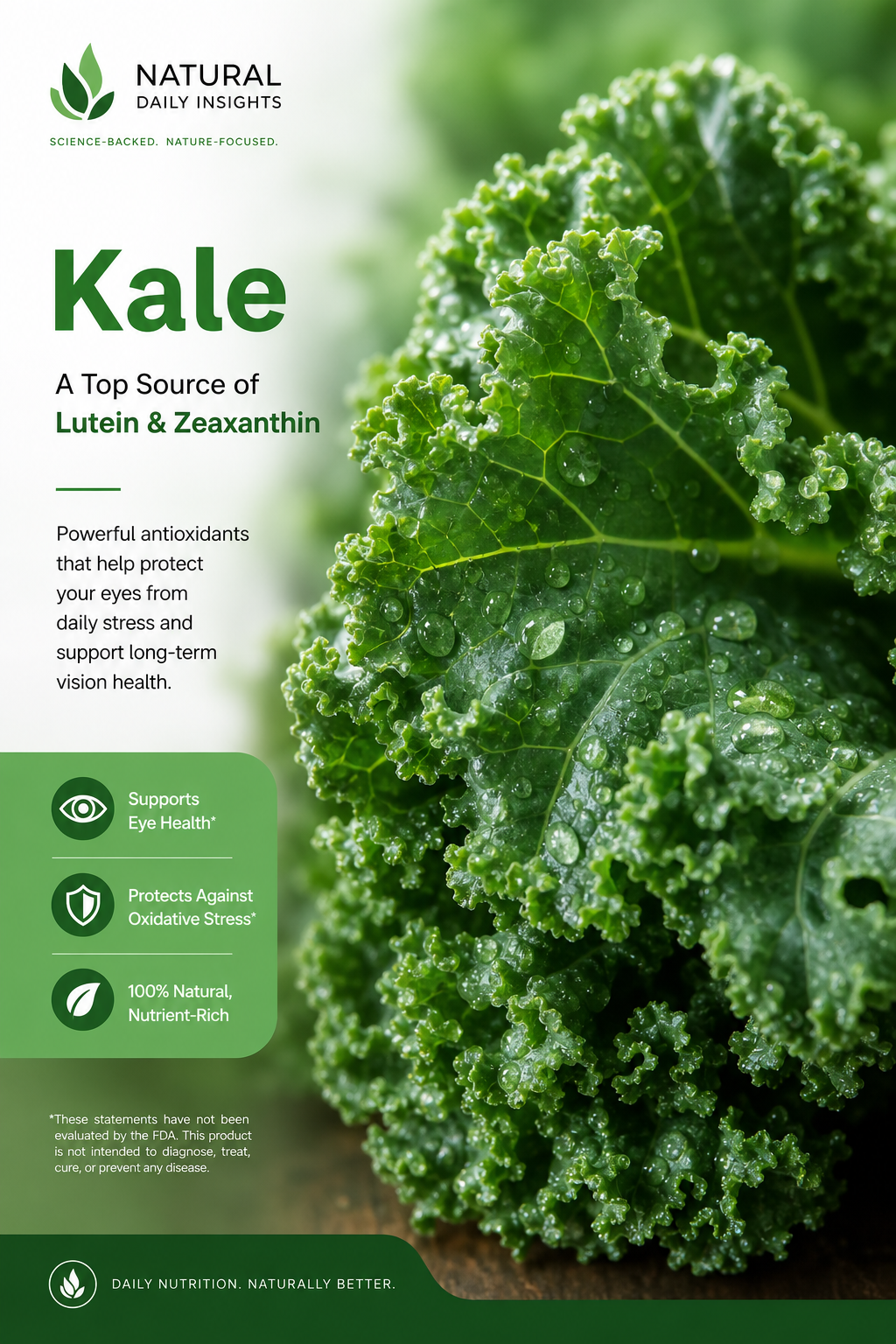
Age-related macular degeneration (AMD) is the leading cause of vision loss in people over 50. It happens when the macula , the bullseye part of your retina , starts to break down. But lutein and zeaxanthin can help stop that from happening. These carotenoids build up in the macula and act like natural sunglasses. They filter out harmful blue light and neutralize free radicals that damage cells.
Special Health Report
Deep-Sea Discovery: Researchers uncover a simple 30-second "Ocular Detox" ritual that flushes away vision-stealing plaque naturally.
Read The Full Report →The research is clear. A meta-analysis of over 1,000 participants found that taking 24 mg of lutein and zeaxanthin per day significantly increased macular pigment optical density (MPOD). That’s a direct measure of how much protection your macula has. And even lower doses around 10-12 mg showed real benefits. In the massive AREDS2 study (over 4,000 people, ages 50-85), those taking 12 mg of lutein and 2 mg of zeaxanthin had a 10% lower risk of progressing to advanced AMD. That might not sound huge, but for a disease that can steal your central vision, every bit counts.
But here’s what most articles miss: the dose-response curve is surprising. According to a 2021 meta-analysis, MPOD increases only about 0.003 units per 1 mg of supplement. That means the first 10 mg give you most of the benefit, and after 20 mg, returns start to shrink. So you don’t need to megadose. Sticking to 10-20 mg daily is smart. And if you’re already eating leafy greens, you’re on the right track.
Another key point: diet alone often isn’t enough. A 2021 analysis showed that dietary changes only raise serum lutein by about 5 mg at best. Supplementation is more reliable for hitting those protective levels. So if you’re at risk for AMD (family history, over 50, smoker), talk to your doctor about adding a supplement. And on Top Supplements for Vision Health (2026 Review) to see which formulas use trusted ingredients like Lutemax 2020.
“The best time to start protecting your macula is now. Lutein and zeaxanthin build up slowly, but every milligram adds to your shield.”
Beyond AMD, these carotenoids also help with other retinal conditions. Their antioxidant power helps slow cataract formation, too. In fact, lutein is the only carotenoid linked to lower cataract risk in multiple studies. So think of lutein and zeaxanthin as a two-for-one deal for your eyes.
Special Health Report
The "Hidden" Arctic Berry: How this rare ingredient is being used to nourish optic nerves and improve night vision.
Download Special Report →Bottom line:Getting 10-20 mg of lutein and zeaxanthin daily, ideally through a mix of diet and supplements, is one of the most effective ways to protect your macula and reduce AMD risk.
2. Combat Digital Eye Strain and Blue Light Damage
If you’re reading this on a screen right now, your eyes are working overtime. Digital eye strain , also called computer vision syndrome , affects millions. Symptoms include dry eyes, headaches, blurry vision, and that tired, heavy feeling after a long day of Zoom calls. Blue light from screens is part of the problem. It penetrates deep into the eye and creates oxidative stress. But lutein and zeaxanthin are nature’s blue light blockers.
These pigments absorb high-energy blue light before it can damage your photoreceptors. Think of them as internal sunglasses. And the benefits go beyond just filtering light. A recent 2025 randomized controlled trial published inFrontiers in Nutritionlooked at 70 adults who used screens for at least 6 hours a day. They took 10 mg lutein plus 2 mg zeaxanthin isomers daily for six months. The results were impressive: tear production increased by 2.09 mm on the Schirmer test, tear film stability improved by 8.5 seconds, and photostress recovery time dropped by 1.45 seconds. That means your eyes feel less dry, your tears stay longer, and you recover faster from bright lights.
But wait , does that translate into feeling better? The same study found that while objective eye health measures improved, self-reported visual fatigue didn’t change much. That might be because the participants were otherwise healthy. Still, if you’re a gamer, coder, or remote worker, these objective improvements matter. Your eyes are literally functioning better. Over time, that means less strain and fewer headaches.
Another study from 2017 found similar results: lutein and zeaxanthin reduced eye strain and headache frequency in high-screen users. The mechanism is twofold , blocking blue light and reducing oxidative stress. And unlike blue light glasses, these nutrients work from the inside out. For a deeper look at screen protection, on How to Find Affordable Blue Light Blocking Glasses, which pairs perfectly with internal nutrition.
One more thing: contrast sensitivity also gets a boost. A meta-analysis of 860 participants found that lutein improved contrast sensitivity across multiple spatial frequencies. That means better ability to see subtle details , like reading a menu in dim light or spotting a hazard while driving at night. It’s not just about strain; it’s about seeing better.
Bottom line:For anyone glued to screens, supplementing with 10-20 mg lutein and 2 mg zeaxanthin can reduce dry eye, improve visual performance, and protect against blue light damage.
3. Boost Brain Health and Cognitive Function
It’s not just your eyes that love lutein , your brain does too. Lutein is actually the most abundant carotenoid in brain tissue. It’s found in the hippocampus, the frontal cortex, and other areas tied to memory and learning. That’s why researchers are excited about its potential for cognitive health.
A 2022 randomized controlled trial published inFrontiers in Nutritiongave 90 adults aged 40-75 with self-reported cognitive complaints either a placebo or 10 mg lutein plus 2 mg zeaxanthin daily for six months. The results? Visual episodic memory and visual learning improved significantly in the supplement group. Think of it like remembering where you left your keys or recalling a face you just met. Those are exactly the skills that start to slip with age.
But here’s the nuance: other cognitive tests , like attention, executive function, and mood , didn’t show significant changes in that study. It might be that lutein’s effects are specific to visual processing and memory, not broad cognition. Or maybe it takes longer than six months for bigger gains. A 12-month study in older adults did find improvements in complex attention and cognitive flexibility. So consistency matters.
How does it work? Lutein and zeaxanthin cross the blood-brain barrier and settle in neuronal membranes. They reduce inflammation and oxidative stress in the brain. They also boost brain-derived neurotrophic factor (BDNF), a protein that supports neuron growth and survival. One study even showed that supplementing with lutein significantly lowered cortisol , the stress hormone , helping you feel calmer and more focused.
If you’re concerned about brain fog or memory as you age, adding lutein and zeaxanthin to your daily regimen is a low-risk move. They’re safe, affordable, and backed by solid neuroscience. For a broader look at how nutrients support mental clarity, on How to Improve Vision Naturally: 19 Proven Tips, which also touches on brain-health connections.
“Your brain sucks up lutein more than any other phytochemical,” says Dr. Eric Berg. And he’s right , the concentration of lutein in brain tissue is hundreds of times higher than in blood.
Bottom line:Taking 10 mg lutein and 2 mg zeaxanthin daily supports brain health, especially memory and learning, by reducing oxidative stress and inflammation in neural tissues.
4. Optimize Your Diet with Top Food Sources and Dosage
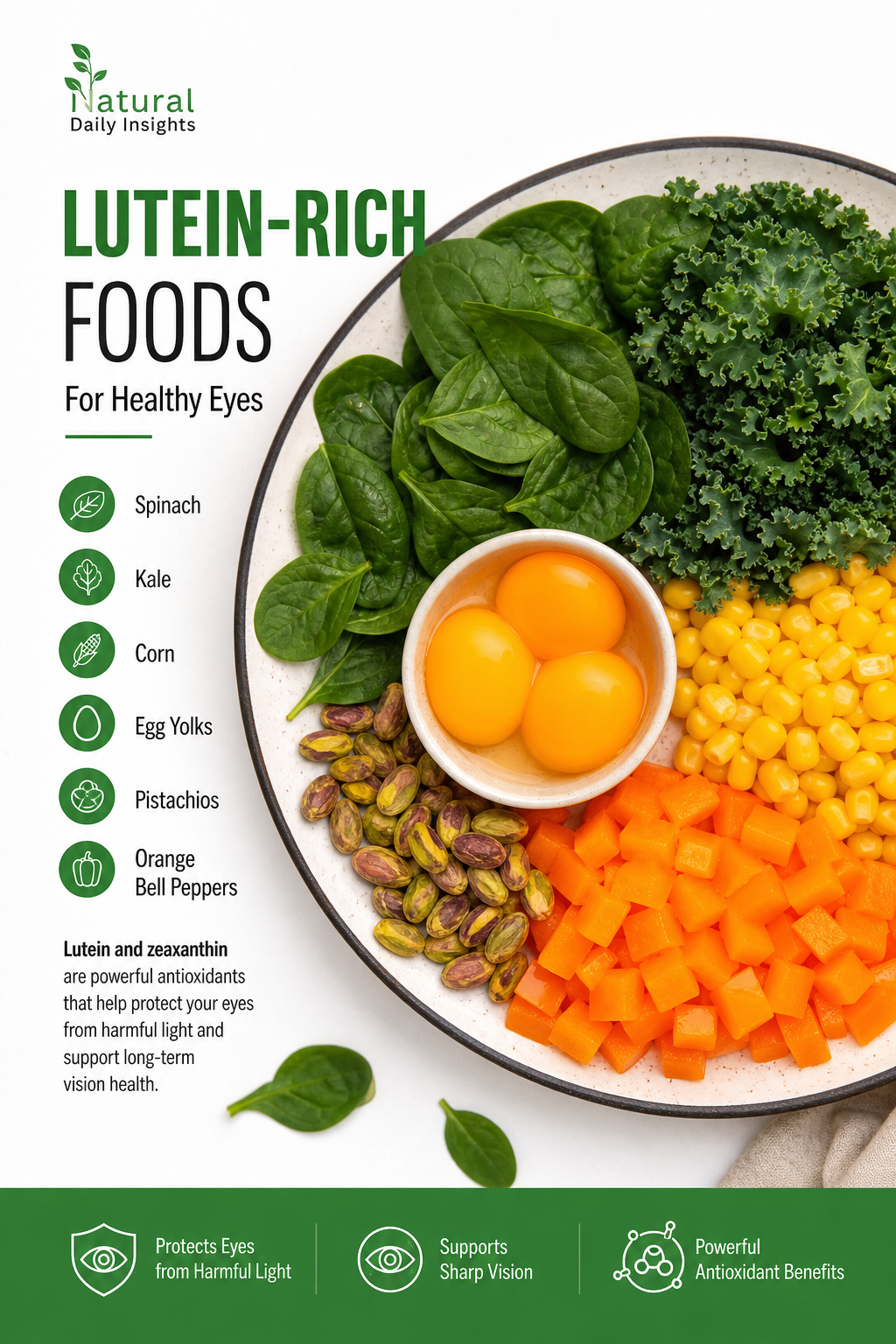
You’ve heard the benefits. Now let’s talk about how to get them into your body. Your diet is the first line of defense. The best sources of lutein and zeaxanthin are dark leafy greens , kale, spinach, collard greens, Swiss chard. But they’re also in egg yolks, corn, pistachios, and orange bell peppers. Here’s a quick comparison table to help you plan meals.
| Food (per 100g) | Lutein + Zeaxanthin (mcg) | Absorption Booster |
|---|---|---|
| Kale, cooked | 18,246 | Oil or fat |
| Spinach, cooked | 7,920 | Oil or fat |
| Egg yolk (one large) | 1,100 | Fat in yolk itself |
| Sweet yellow corn | 1,200 | Butter or oil |
| Pistachios, dry roasted | 1,200 | Natural fat |
| Orange bell pepper | 1,860 | Oil dressing |
But here’s the catch: just eating these foods doesn’t guarantee absorption. Lutein and zeaxanthin are fat-soluble, meaning you need dietary fat to absorb them. That’s why a spinach salad with olive oil is better than steamed spinach alone. And if you have gallbladder issues or low bile production, you may need extra bile salts or a digestive enzyme to break down the fat. Dr. Berg recommends adding coconut oil or a gallbladder formula to your smoothie if you have trouble with fat absorption.
So what’s the right dose? There’s no official RDA, but most research uses 10 mg of lutein and 2 mg of zeaxanthin per day. That’s roughly the amount in a high-quality supplement. The average American diet provides only 1-2 mg daily , way too low. To get 10 mg from food alone, you’d need about 1.5 cups of cooked kale or 7 cups of raw spinach. That’s a lot. Supplements make it easy.
Safety is also good. The FDA generally recognizes lutein and zeaxanthin as safe (GRAS) at typical doses. One study found no adverse effects up to 20 mg daily for years. Very high doses (well above 20 mg) might cause minor skin yellowing or, in rare cases, crystal deposits in the eye , but that’s extremely uncommon. Stick to 10-20 mg and you’re golden.
For a full list of natural sources and supplement guidance, check out How to Use Astaxanthin for Eye Health: A 5-Step Guide, astaxanthin pairs beautifully with lutein for complete eye protection.
Bottom line:Eating lutein-rich foods like kale, spinach, and egg yolks is great, but most people need a supplement to reach therapeutic levels, and fat is essential for uptake.
5. Improve Sleep Quality by Blocking Blue Light
Here’s a benefit you probably didn’t expect: better sleep. Blue light doesn’t just strain your eyes , it messes with your circadian rhythm. When you stare at screens at night, the blue light tricks your brain into thinking it’s still daytime. That suppresses melatonin, the sleep hormone, and makes it harder to fall asleep. Lutein and zeaxanthin can help by filtering that blue light before it reaches your retina and disrupts your sleep cycle.
Studies from 2017 and 2018 showed that supplementing with lutein improved overall sleep quality. Participants reported falling asleep faster, sleeping more soundly, and feeling more rested in the morning. The mechanism is indirect: by blocking blue light, lutein allows your natural melatonin production to kick in. And because lutein also lowers cortisol (the stress hormone), you’re more relaxed when you hit the pillow.
But don’t toss your blue light glasses just yet. Internal and external protection work best together. Think of lutein as your internal shield and glasses as your external shield. When you combine them, you’re double protected. If you’re serious about sleep, also limit screen time an hour before bed, use night mode, and consider a pair of quality blue light glasses. Our guide on How to Find Affordable Blue Light Blocking Glasses can help you choose.
One more thing: the sleep benefit may also be linked to lutein’s effect on mood. By reducing cortisol and supporting brain function, you’re less likely to lie awake with racing thoughts. It’s a full win for your rest.
Bottom line:Taking lutein and zeaxanthin can lead to better quality sleep, especially for those who use screens heavily, by protecting your night vision cycle and calming your stress response.
Conclusion
Lutein and zeaxanthin are two of the most powerful nutrients you can take for your eyes and brain. From shielding your macula against AMD to reducing digital eye strain, boosting cognitive function, and even improving sleep, the research is solid. And it’s not complicated: aim for 10 mg lutein and 2 mg zeaxanthin per day, eat your greens with some healthy fat, and consider a supplement to fill the gap.
At Natural Daily Insights , Clarity Edition, we’ve curated the latest evidence to help you maintain 20/20 vision in a screen-filled world. The lutein and zeaxanthin benefits for eyes are too good to ignore. Start small , add a handful of spinach to your smoothie, cook an egg, or pick up a quality supplement with Lutemax 2020. Your eyes (and your brain) will thank you years down the road.
Want to dive deeper? Check out our Top 22 Vitamins for Eye Health in 2026 for a complete nutrient guide. And remember: what you eat today shapes your vision tomorrow.
Frequently Asked Questions
What is the best source of lutein and zeaxanthin?
The best dietary sources are dark leafy greens like kale (18,246 mcg per 100g), spinach, collard greens, as well as egg yolks, corn, and pistachios. Because these are fat-soluble, you need to eat them with a fat source (like olive oil or avocado) to absorb them properly. Supplements are a reliable alternative, especially formulas that include both lutein and zeaxanthin isomers (like Lutemax 2020).
Can lutein and zeaxanthin reverse macular degeneration?
No, they cannot reverse existing damage. But they can slow the progression of age-related macular degeneration (AMD). The AREDS2 study showed a 10% reduction in risk of progressing to advanced AMD with daily supplementation of 12 mg lutein and 2 mg zeaxanthin. They work best as prevention and early intervention. If you have early or intermediate AMD, talk to your eye doctor about the right dose.
Are lutein and zeaxanthin safe for children?
Yes, they are generally safe. A 2024 study found no adverse effects in children taking lutein and zeaxanthin supplements. The FDA considers them GRAS. However, there is no established pediatric dose. It’s best to get them from food , leafy greens, eggs, and corn are great for kids. If you’re considering supplements, consult a pediatrician.
How long does it take for lutein to improve eye health?
Most studies show measurable improvements in macular pigment optical density (MPOD) after 3 to 6 months of daily supplementation. Tear film improvements were seen after 6 months in a recent trial. Benefits often continue to accumulate over time. Consistency is key , missing days won’t hurt, but daily intake builds protection.
Do I need both lutein and zeaxanthin?
Yes. They work synergistically. Lutein is more abundant in the peripheral retina, while zeaxanthin (and its isomer meso-zeaxanthin) concentrate in the central macula. Most high-quality supplements include a mix, often in a 5:1 ratio (10 mg lutein : 2 mg zeaxanthin). Some also include meso-zeaxanthin for even better coverage.
Can I get enough lutein from diet alone?
It’s possible but difficult. The average American gets only 1-2 mg per day. To reach the 10 mg target used in studies, you’d need about 1.5 cups of cooked kale or 7 cups of raw spinach daily. Most people don’t eat that much. A supplement is a convenient way to bridge the gap. Still, prioritize whole foods first for additional nutrients and fiber.
Does cooking destroy lutein?
Lutein is relatively heat-stable, but extended boiling can leach it into the water. Steaming or sautéing is better than boiling. The bioavailability of lutein from cooked vegetables is actually higher than raw because heat breaks down cell walls, making the lutein easier to access. Just be sure to include some fat , like a drizzle of oil , to help absorption.
Are there side effects of too much lutein?
Side effects are rare. Some people may experience mild digestive upset. Very high doses (20+ mg daily for years) have been associated with small crystal deposits in the eye in isolated case reports, but this is not common. Stick to the recommended 10-20 mg range. If you have a medical condition or take medications, check with your doctor before starting any new supplement.