Autor: Sarah Mitchell

  • Astaxanthin for Retinal Health: What You Need to Know in 2026

    Astaxanthin for Retinal Health: What You Need to Know in 2026

    Did you know that a tiny red pigment can help keep your eyes sharp? That pigment is astaxanthin, and it’s gaining a lot of buzz in eye‑care circles. In this guide you’ll learn what astaxanthin is, how it works in the retina, the key benefits for vision, how it stacks up against other eye nutrients, and easy ways to add it to your daily routine.

    We’ll back every claim with real research, so you can decide if astaxanthin for retinal health fits your plan.

    What Is Astaxanthin? An Overview of Its Role in Eye Health

    Astaxanthin is a carotenoid that gives salmon, shrimp, and lobster their pink hue. It’s made by tiny algae likeHaematococcus pluvialis. When you eat seafood or a supplement, you get this red pigment in your bloodstream.

    Why does a color matter for your eyes? Because astaxanthin is a very strong antioxidant. It can mop up free radicals that would otherwise damage cells. Free radicals are unstable molecules that show up when you stare at screens, get sun exposure, or simply age.

    In the eye, the pigment settles into the retina and the blood vessels that feed it. There it helps keep the delicate cells alive. The pigment also reduces inflammation, which can otherwise make the retina swell and work less well.

    Researchers have found that a dose of 2‑12 mg per day can raise the antioxidant level in the eye. The exact amount you need depends on your diet, age, and eye‑health goals. For a comprehensive overview of the best nutrients for vision, see our review of the top supplements for vision health.

    Astaxanthin also boosts blood flow. Better circulation means more oxygen and nutrients reach the retina. That can improve visual clarity and reduce eye‑fatigue after long screen sessions.

    Key Takeaway: Astaxanthin is a natural, algae‑derived carotenoid that protects retinal cells by fighting oxidative stress and supporting blood flow.

    Bottom line: Astaxanthin is a potent, naturally occurring antioxidant that can support retinal health when taken regularly.

    How Astaxanthin Protects the Retina: The Science Explained

    Let’s look at the lab work that shows how astaxanthin helps the eye. In a study on diabetic rats, scientists gave the animals either a low dose (0.6 mg/kg) or a high dose (3 mg/kg) of astaxanthin every day for eight weeks. The results showed a clear drop in oxidative‑stress markers and lower inflammation in the retinal tissue.

    Why does that matter for people? The retina uses a lot of oxygen, so it’s prone to damage from reactive oxygen species (ROS). Astaxanthin can neutralize ROS on both sides of the cell membrane, which makes it more effective than many other antioxidants.

    Astaxanthin also blocks the NF‑κB pathway, a key driver of inflammation. When that pathway is quiet, the eye produces fewer inflammatory proteins that can harm the retina over time.

    Another piece of the puzzle is the PI3K/Akt signaling route. In cell‑culture work, astaxanthin turned on this pathway, which helps cells survive stressful conditions like bright light exposure.

    All of these actions add up to a healthier retina that stays functional longer.

    “The best time to start building backlinks was yesterday.”

    That quote reminds us that early action pays off. The same is true for eye health: start adding astaxanthin now, not later.

    astaxanthin protecting retina from oxidative stress

    Pro Tip: Take astaxanthin with a fat‑rich meal (like avocado toast) to boost absorption.

    Bottom line: Scientific studies show astaxanthin reduces oxidative stress and inflammation in retinal tissue, which can preserve vision.

    Key Benefits of Astaxanthin for Vision: From Blue Light to Inflammation

    Now that we know how it works, let’s see what it can do for you. First, blue‑light protection. Modern screens emit a lot of short‑wavelength light that reaches the retina. In lab tests with photoreceptor cells, astaxanthin cut down cell death caused by blue LEDs. The protection grew stronger as the dose went up.

    Second, dry‑eye relief. Clinical trials on people with mild‑to‑moderate dry eye found that a daily 6 mg dose improved tear‑film stability and lowered eye‑irritation scores after just two weeks.

    Third, visual acuity. People who took astaxanthin for eight weeks reported sharper distance vision and better contrast sensitivity, especially after a long day at the computer.

    Fourth, age‑related macular degeneration (AMD). While astaxanthin isn’t a cure, studies suggest it can slow the build‑up of harmful deposits (drusen) by keeping oxidative stress low.

    Fifth, circulation. The pigment raises capillary blood flow near the optic disc, delivering more oxygen and clearing waste faster.

    4 mgdose showed a measurable drop in CVS‑Q eye‑fatigue scores

    These benefits line up with what How to Use Astaxanthin for Eye Health recommends: a steady, low‑dose regimen paired with other eye‑support nutrients.

    Pro Tip: Pair astaxanthin with lutein and zeaxanthin for a broader spectrum of retinal protection.

    Bottom line: Astaxanthin offers multi‑layered benefits, from blue‑light shielding to inflammation reduction, that support overall retinal health.

    Astaxanthin vs. Other Retina‑Supporting Nutrients

    Many people wonder how astaxanthin stacks up against lutein, zeaxanthin, and the AREDS 2 formula. The short answer: each has a unique role, and the best plan often mixes them.

    Lutein and zeoxanthin sit in the macula and absorb blue light directly. They raise the macular pigment optical density (MPOD), which acts like a natural sunglasses filter.

    Astaxanthin, on the other hand, works throughout the whole retina and the blood vessels that feed it. It also reaches the brain’s blood‑retina barrier, something lutein does less efficiently.

    Here’s a quick comparison of the three nutrients based on research and typical supplement data.

    Feature Astaxanthin Lutein Zeaxanthin
    Primary action Antioxidant + anti‑inflammatory throughout retina Blue‑light filtration in macula Blue‑light filtration in macula
    Typical dose 2‑12 mg 10 mg 2 mg
    Evidence for AMD Reduces oxidative markers; modest visual benefit Improves MPOD; strong clinical backing Improves MPOD; strong clinical backing
    Blood‑flow effect Increases capillary velocity near optic disc

    In a recent VDT (visual‑display‑terminal) trial, a combo of 6 mg astaxanthin, 10 mg lutein, and 2 mg zeaxanthin improved eye‑hand coordination after eight weeks of screen work. For more on the role of vitamins, check our list of the top 22 vitamins for eye health in 2026.

    That study shows the power of a blended approach. You get the blue‑light filter from lutein/zeaxanthin and the whole‑retina protection from astaxanthin.

    Pro Tip: Choose a supplement that lists both astaxanthin and lutein/zeaxanthin to cover all bases.

    For a deeper dive on vitamin mixes, see AAO’s guide on vitamins for AMD. It explains why the AREDS 2 formula still matters even if you add astaxanthin.

    Bottom line: Astaxanthin complements lutein and zeaxanthin; together they give a broader shield for retinal health.

    How to Add Astaxanthin to Your Diet: Dosage, Sources, and Supplements

    Adding astaxanthin is easier than you think. The nutrient is fat‑soluble, so you need some dietary fat to absorb it well.

    Food sources include wild salmon (about 4.5 mg per 4‑ounce serving), trout, shrimp, and krill oil. If you eat fish twice a week, you’ll likely get 5‑10 mg a week, which can add up.

    Supplements give a steadier dose. Most softgel products contain 4‑12 mg per capsule. The strongest clinical evidence comes from a 4 mg daily dose tested over 84 days, showing a drop in eye‑fatigue scores.

    When you shop, look for these quality cues:

    • Natural algae source (not synthetic).
    • CO₂ extraction method (preserves potency).
    • Third‑party testing for purity.
    • Transparent labeling of dosage.

    The FDA treats astaxanthin as a food colorant, not a drug, but it has set a safe upper limit of 14 mg per day in the U.S. A recent FDA warning letter reminds manufacturers to follow labeling rules.

    For best results, take the capsule with breakfast or lunch that includes healthy fats, think olive oil, avocado, or a handful of nuts.
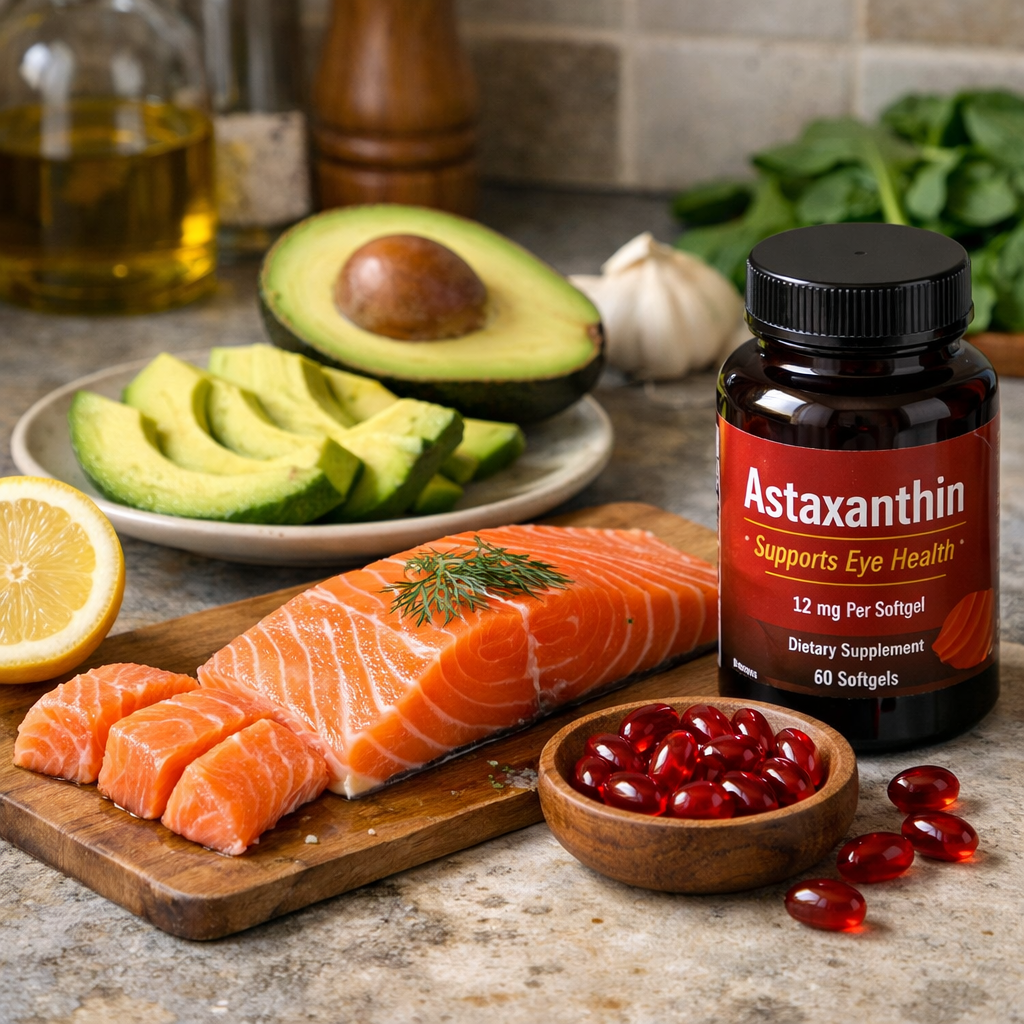
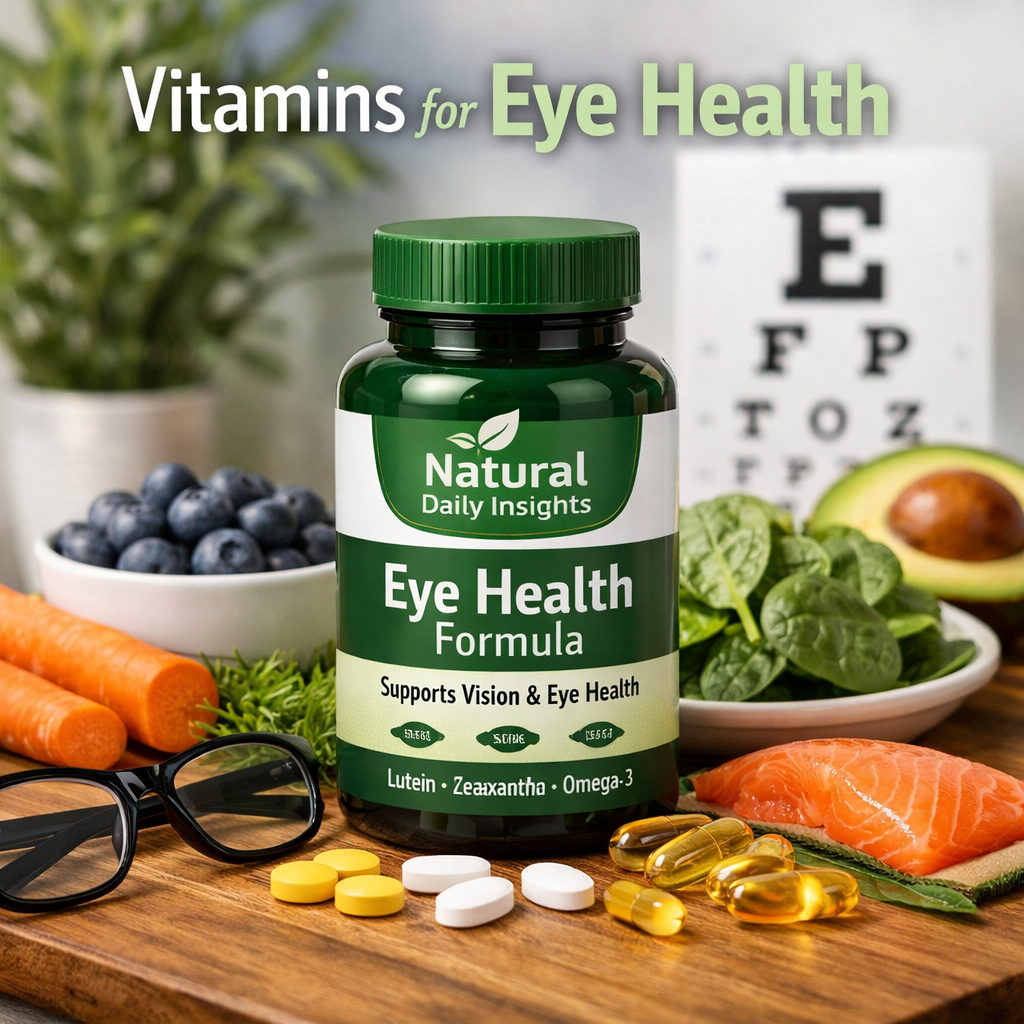
    natural sources of astaxanthin for eye health

    Key Takeaway: Aim for 4‑6 mg of natural astaxanthin daily, taken with a fat‑rich meal, to support retinal health.

    Bottom line: You can get astaxanthin from seafood or a quality supplement; a modest daily dose taken with fat maximizes absorption.

    Conclusion

    Astaxanthin for retinal health is more than a buzzword. The science shows it cuts oxidative stress, eases inflammation, and improves blood flow in the eye. When you pair it with lutein, zeaxanthin, and a balanced diet, you give your retina a solid defense against age‑related decline and modern screen strain.

    At Natural Daily Insights , Clarity Edition we’ve sifted through the latest studies to bring you a clear, evidence‑based roadmap. Start with a reliable 4‑6 mg supplement, take it with a meal that has healthy fats, and keep an eye on how your vision feels over the next month.

    If you’re ready to protect your sight, explore our curated supplement list or talk to an eye‑care professional about adding astaxanthin to your regimen.

    Frequently Asked Questions

    Can astaxanthin replace my eye doctor’s visits?

    No. Astaxanthin for retinal health is a supplement, not a medical treatment. It can support eye health, but regular eye exams remain essential for early detection of conditions like glaucoma or AMD. Talk to your ophthalmologist before starting any new supplement.

    What dose of astaxanthin is safe for most adults?

    Research shows 2‑12 mg per day is well tolerated. The strongest trial used 4 mg daily for 84 days with no side effects. The FDA’s safe upper limit is 14 mg per day from all sources. Start low and see how you feel before adjusting.

    Do I need to take astaxanthin with food?

    Yes. Astaxanthin is fat‑soluble, so taking it with a meal that contains healthy fats (like avocado or olive oil) improves absorption by up to 2‑3 times compared with a fat‑free snack.

    How long does it take to notice a benefit?

    Most studies report measurable changes after 4‑8 weeks of consistent use. Vision improvements, reduced eye‑fatigue, or better tear‑film stability often appear in that window. Patience is key; don’t expect overnight miracles.

    Can I combine astaxanthin with other eye nutrients?

    Absolutely. Combining astaxanthin with lutein and zeaxanthin creates a broader protective net, lutein/zeaxanthin filter blue light while astaxanthin works throughout the retina. Many clinicians recommend a blend for VDT users and older adults.

    Is astaxanthin safe for pregnant or nursing women?

    There is limited data on pregnancy, so it’s best to check with your healthcare provider. Some guidelines suggest staying below the 14 mg daily limit and only using a natural, algae‑derived source.

    Will a vegan supplement work as well as a marine‑source one?

    Vegan astaxanthin is usually derived from algae, which is the same source as most marine extracts. As long as the product lists a natural algae source and uses CO₂ extraction, the efficacy should be comparable.

    What if I experience side effects?

    Side effects are rare but can include mild stomach upset or reddish stool. Reduce the dose or take the supplement with a larger meal. If symptoms persist, stop use and consult a doctor.
  • Best Eye Drops for Digital Eye Strain: 2026 Guide

    Best Eye Drops for Digital Eye Strain: 2026 Guide

    Hey there, screen warriors! If your eyes feel like they’re on fire after a marathon of Zoom calls, you’re not alone, digital eye strain is the new office norm. Even the most hyped eye drops hide their active ingredients and performance data. Our research found that only two out of nineteen products tell you how fast they work and how long they last. That’s a problem when you need quick relief during long screen sessions. In this guide, we’ll help you cut through the confusion. You’ll learn the best eye drops for digital eye strain, how to apply them correctly, and what lifestyle changes can keep your eyes comfortable all day. Let’s get your vision back on track.

    Step 1: Recognize Digital Eye Strain Symptoms and How Drops Help

    Digital eye strain isn’t just a feeling. It’s a real condition. The American Academy of Ophthalmology says staring at screens can cause dry eyes, blurry vision, and headaches. You might also feel burning, itching, or watery eyes. Some people get tired eyes or double vision. Non-ocular symptoms include stiff neck and backache.

    Why does this happen? When you focus on a screen, you blink less. Normally you blink about 15 times per minute. But when you’re glued to a screen, that drops to half. Less blinking means your tears evaporate faster. Your eye surface dries out. That triggers inflammation and discomfort. According to a 2022 review in BMC Ophthalmology, digital eye strain affects up to 65% of adults. The pandemic pushed that number even higher. Kids are now reporting symptoms too.

    Artificial tears, or lubricating eye drops, can help. They add moisture back to the eye. They mimic natural tears to soothe the surface. But not all drops are equal. Some contain preservatives that can irritate with frequent use. Others are designed for quick relief but may not last. The best eye drops for digital eye strain are those that match your specific symptoms and usage pattern.

    Here’s a quick checklist of symptoms that signal it’s time for drops:

    • Dry, gritty, or sandy feeling in the eyes
    • Redness or bloodshot eyes
    • Burning or stinging sensation
    • Blurred vision that comes and goes
    • Eye fatigue or heavy eyelids
    • Increased sensitivity to light

    Researchers have shown that when we stare at screens, our blink rate drops by as much as 60%. That means your tear film doesn’t get refreshed. The tear film has three layers: oil, water, and mucus. Each layer plays a role in keeping your eyes comfortable. Artificial tears are designed to supplement one or more of these layers. Some drops are water-based, others are oil-based to prevent evaporation. Choosing the right formula depends on your dominant symptom. For example, if your tears evaporate quickly (evaporative dry eye), you might benefit from drops with lipids like castor oil.

    60%reduction in blink rate when using digital screens, leading to increased dry eye symptoms.

    Because of this, the best eye drops for digital eye strain are those that provide both lubrication and protection against evaporation. Products that contain hyaluronic acid or lipids are often recommended by eye doctors. But more important than the brand is the formulation: preservative-free is best for frequent use. We’ll dive into that in the next step.

    Pro Tip: Before reaching for drops, try the 20-20-20 rule: every 20 minutes, look 20 feet away for 20 seconds. This relaxes your focusing muscles and stimulates blinking. Combine with a lubricating drop for best results.

    Bottom line:Recognizing the symptoms of digital eye strain is the first step, and using the right artificial tears can provide fast relief for dry, tired eyes from screen use.

    Step 2: Select Preservative-Free Eye Drops for Daily Use

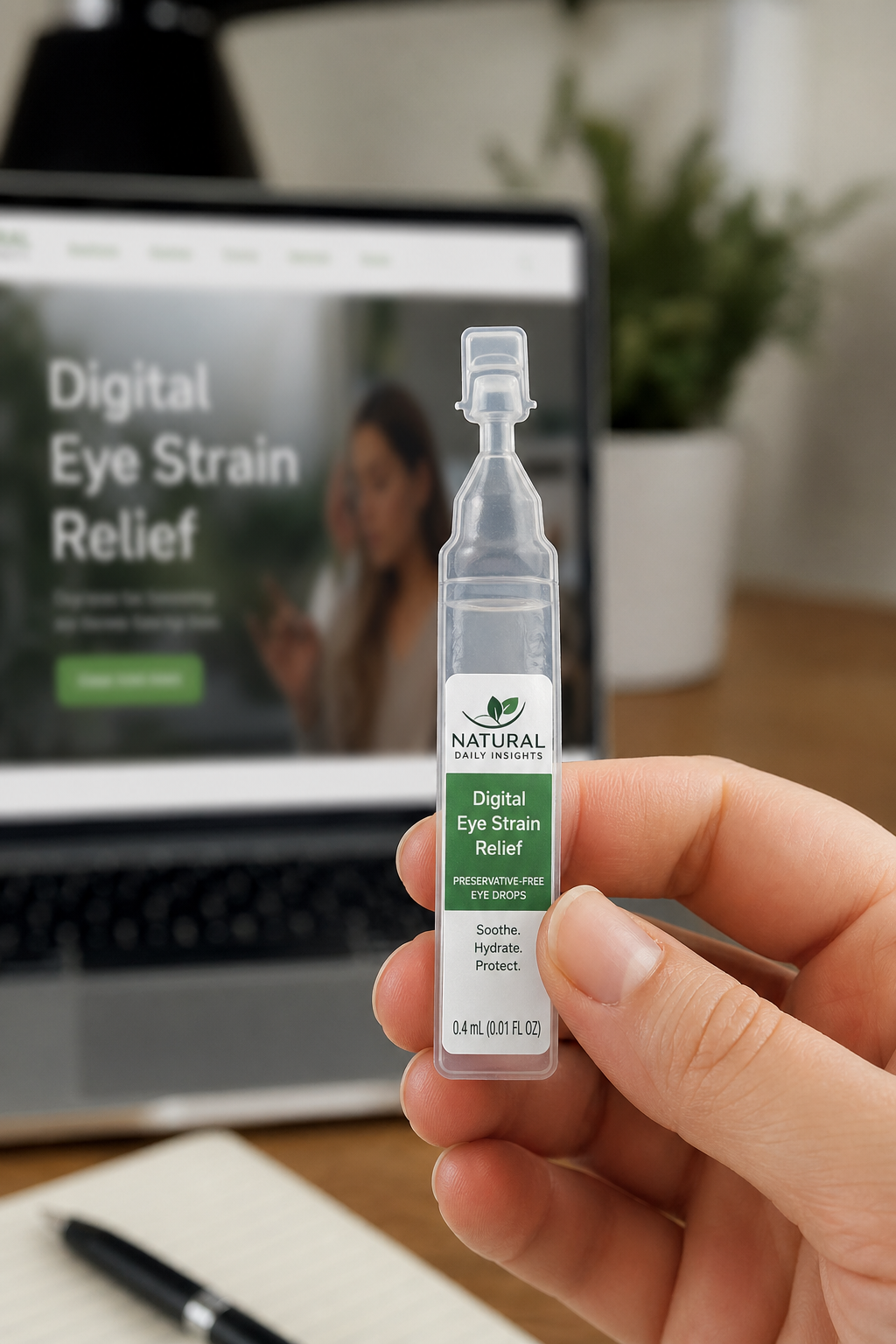
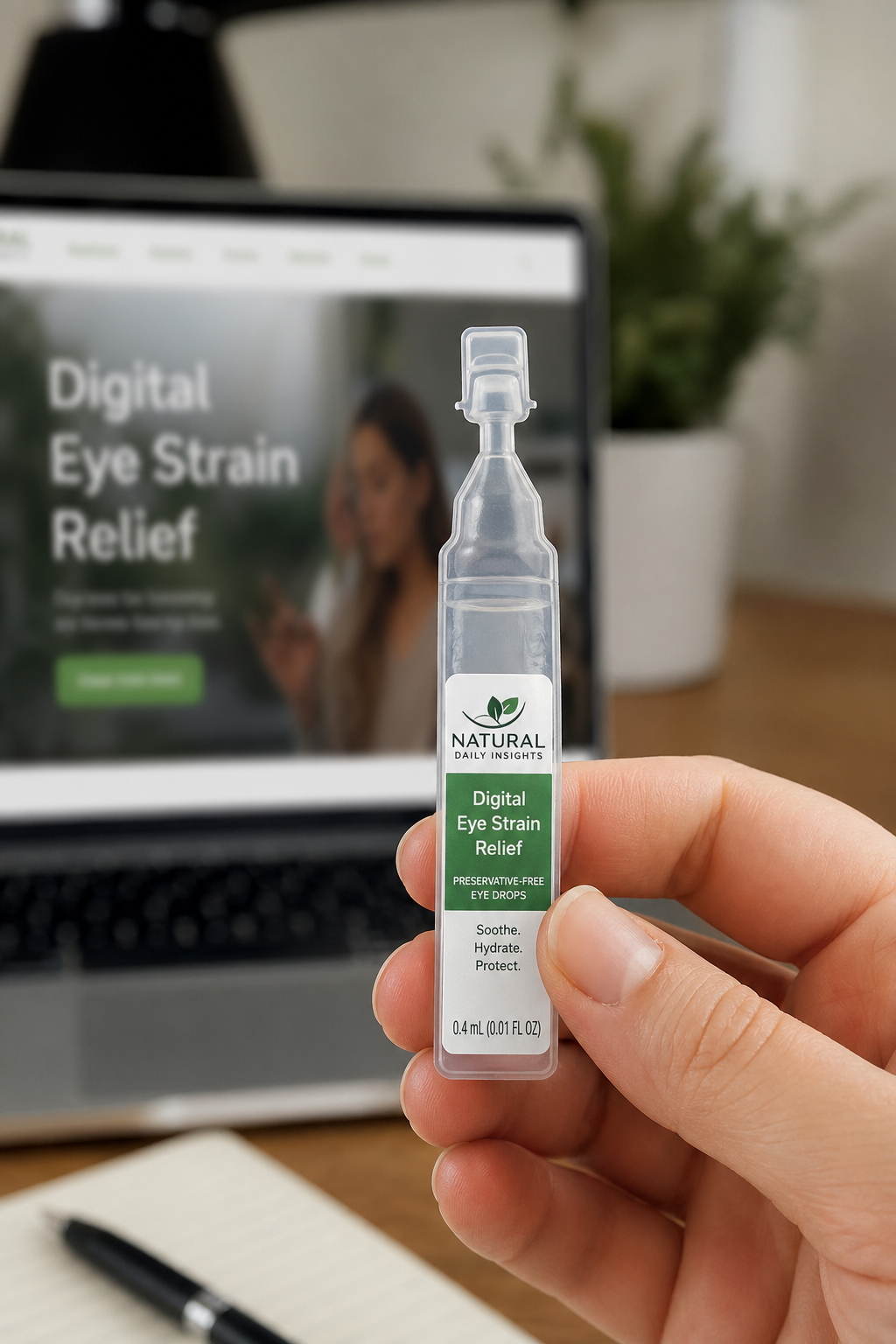
    A photorealistic close-up of a hand holding a single-use preservative-free eye drop vial against a blurred background of a computer screen and desk. Alt: Preservative-free eye drop vial for digital eye strain relief.

    When you walk down the eye drop aisle, it’s overwhelming. There are dozens of bottles. But the most important decision is simple: choose preservative-free. Preservatives like benzalkonium chloride (BAK) can damage the ocular surface with frequent use. Dr. Kimberly Riordan at Florida Eye Specialists warns that chronic exposure to preservatives can actually make dryness worse. She recommends preservative-free drops for anyone using tears more than four times a day.

    Which ones work best for digital eye strain? Based on our research and expert recommendations, here are top contenders:

    Eye Drop Preservative-Free Key Ingredients Duration of Relief Best For
    iVizia Lubricant Eye Drops Yes Hyaluronic acid, sodium hyaluronate, trehalose Up to 8 hours All-day screen use, contact lens wearers
    Systane Complete PF Yes Polyethylene glycol, propylene glycol (nano-droplet) Up to 8 hours All types of dry eye, sensitive eyes
    Refresh Optive Mega-3 Yes Flaxseed oil, castor oil, glycerin Varies, typically 4-6 hours Evaporative dry eye, lipid deficiency
    Biotrue Hydration Boost Yes Hyaluronan (naturally inspired) Up to 6 hours Mild to moderate dryness
    Optase Dry Eye Intense Yes Sodium hyaluronate, glycerin Varies Sensitive eyes, moderate dryness

    Notice that iVizia and Systane Complete PF claim up to 8 hours of relief. That’s rare. According to our research, only 11% of eye drops disclose onset and duration. These two are the only ones that provide quantitative timing data. That transparency is why they stand out as some of the best eye drops for digital eye strain.

    But duration isn’t everything. You also need to consider how the drop feels. Some drops, like Systane Complete, have a creamy consistency that can blur vision temporarily. That’s fine for a break but not while you’re in the middle of a video call. iVizia is thinner and less blurring. It also contains trehalose, which helps protect corneal cells. That’s a bonus.

    Another factor is contact lens compatibility. All the drops above are safe with contacts, but always check the label. If you wear contacts, using a lubricating drop before and after insertion can reduce friction.

    Pro Tip: When trying a new brand, buy a small pack first. See how your eyes react over a week. The best eye drops for digital eye strain are the ones you actually want to use consistently.

    Finally, consider packaging. Single-use vials are more expensive but stay sterile. Multi-dose bottles with preservative-free technology (like a special valve) are more affordable and eco-friendly. Brands like iVizia and Biotrue offer such bottles.

    For nutritional support, on top 22 vitamins for eye health in 2026.

    Bottom line:Choose preservative-free eye drops from a brand that discloses its ingredients and duration, and match the formula to your specific dry eye type for the best relief from digital eye strain.

    Step 3: Apply Eye Drops Correctly , Technique and Frequency

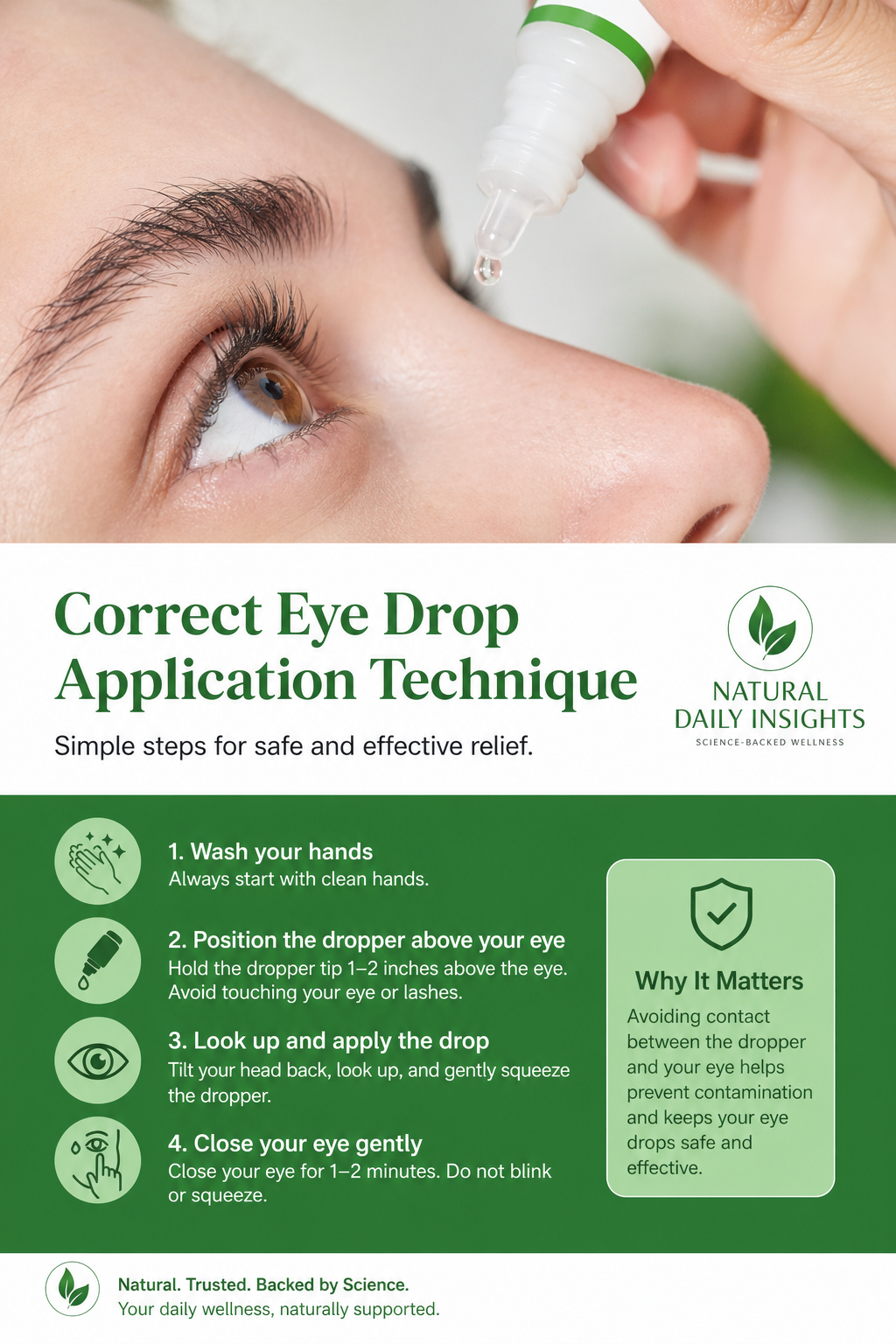
    A photorealistic close-up of a person's eye with a dropper tip hovered above, demonstrating the correct technique to instill eye drops without touching the eye. Alt: Correct eye drop application technique to avoid contamination.

    Even the best eye drops won’t help if you don’t use them properly. Many people miss the eye, waste drops, or contaminate the bottle. The American Academy of Ophthalmology provides a simple step-by-step method. Here’s how to get the drop in your eye every time.

    First, wash your hands. Then shake the bottle if instructions say so. Tilt your head back and look up. Use one hand to pull down your lower eyelid, creating a pocket. Hold the dropper directly over the pocket, but don’t touch your eye or lashes. Squeeze one drop in. Release the lid and close your eye for a minute. Press gently on the inner corner of your eye (near your nose) to close the tear duct. This keeps the drop on your eye longer and prevents it from draining into your nose.

    If you’re anxious about drops, try a different method: lie down, close your eyes, and place a drop in the corner of your eye near your nose. Then open your eyes and blink a few times. The drop will roll in.

    How often should you use them? That depends on the type of drop and your symptoms. The AAO says preservative-free drops are safe to use as often as needed, even every hour. Preserved drops should not be used more than four times a day. For chronic digital eye strain, many eye doctors recommend using drops proactively: put a drop in before you start a long screen session, then again during breaks. Studies show that using drops four times a day for 30 days can resolve symptoms, with continued improvement over three to four months.

    Remember, more isn’t always better. One drop is usually enough. The eye can only hold about one-tenth of a milliliter. Two drops just get blinked out. If you need to use multiple types of drops, wait 5 minutes between them so the first can absorb.

    One common mistake is using drops past their expiration date. Preservatives degrade over time. Once a bottle is opened, bacteria can grow. That’s why single-use vials are great for travel or intermittent use. Never share your eye drops with others. That’s a fast track to infection.

    “The worst thing you can do is touch the dropper tip to your eye. It picks up bacteria and contaminates the whole bottle.”

    For contact lens wearers: take out your contacts before applying drops, or use drops specifically labeled for contact lens use. Wait at least 15 minutes before reinserting lenses to let the drop settle.

    Key Takeaway: Correct application technique ensures the drop stays on your eye, maximizing relief and minimizing waste; use preservative-free drops as often as needed.

    Bottom line:Learning eye drop application and following recommended frequency transforms any eye drop into an effective tool for managing digital eye strain.

    Step 4: Complement Drops with Ergonomic and Lifestyle Adjustments

    Eye drops are a quick fix, but long-term relief comes from changing how you use screens. The 20-20-20 rule is a good start. My Kids Vision recommends looking 20 feet away for 20 seconds every 20 minutes. This relaxes your focusing muscles and reminds you to blink. During those 20 seconds, blink deliberately several times to refresh your tear film.

    But there’s more. Your screen position matters. Your screen should be at arm’s length (about 25 inches) and slightly below eye level. You should look slightly downward at the screen. This minimizes the surface area of your eyes exposed to air, reducing evaporation. Also, adjust brightness to match your environment. Too bright increases glare and squinting.

    A 2021 review in Clinical Optometry found that digital screen use alters blinking dynamics and increases dry eye symptoms. The study also noted that proper ergonomics, like screen height and glare reduction, can help. Use a matte screen filter or adjust lighting to avoid reflections. Consider a humidifier in your workspace. Dry air from air conditioning or heating worsens tear evaporation.

    Pro Tip: Set a timer or use an app that reminds you to take breaks. Many devices now have built-in “screen time” limits that can also prompt you to look away.

    Another powerful tool is the elbow rule: hold your device at arm’s length. This reduces eye strain from close focusing. For kids, this is especially important to prevent myopia progression. Spending time outdoors is also proven to reduce myopia risk. The combination of drops, breaks, and environment can dramatically reduce digital eye strain.

    Don’t forget to blink. Yes, actually practice blinking. There are blinking exercises you can do to tone your eyelid muscles. It sounds silly, but it works. Every time you take a break, perform a few complete blinks (close your eyes fully, then open). This spreads the tear film evenly.

    If you’re considering blue light glasses, read how to choose prescription blue light glasses in 2026.

    Key Takeaway: Ergonomic adjustments like the 20-20-20 rule, proper screen distance, and humidity control can reduce eye strain more than drops alone.

    Bottom line:Integrating simple ergonomic and lifestyle habits with your eye drop routine creates a complete approach to preventing and relieving digital eye strain.

    Step 5: Know When to See an Eye Doctor for Persistent Symptoms

    Eye drops and lifestyle changes work for most people. But sometimes symptoms persist. If you’ve been using the best eye drops for digital eye strain consistently for a few weeks and still feel discomfort, it’s time to see an eye doctor. Here are signs that warrant a professional evaluation:

    • Severe or worsening dryness not relieved by drops
    • Frequent eye infections or discharge
    • Sudden vision changes or persistent blur
    • Eye pain or redness that doesn’t go away
    • Sensitivity to light (photophobia)
    • Feeling like something is in your eye (foreign body sensation) that won’t wash out

    An eye doctor can perform tests to diagnose the underlying cause. They can check for meibomian gland dysfunction, blepharitis, allergic conjunctivitis, or more serious conditions like corneal ulcers. They may prescribe prescription drops like cyclosporine (Restasis) or lifitegrast (Xiidra), or even punctal plugs to keep tears from draining too fast.

    87.5%of digital screen users have dry eye symptoms, according to meta-analyses, but many never see a doctor.

    Don’t ignore persistent symptoms. Chronic dry eye can damage the cornea over time. A doctor can also help you choose the best eye drops for digital eye strain based on your specific dry eye type. Sometimes a drop that works for a friend may not work for you because you have a different root cause.

    Pro Tip: See an optometrist or ophthalmologist who specializes in dry eye. They may offer treatments like intense pulsed light therapy or meibomian gland expression that go beyond drops.

    Bottom line:If your digital eye strain persists despite consistent use of eye drops and ergonomic adjustments, consult an eye care professional to rule out underlying conditions and explore advanced treatments.

    Step 6: Explore Additional Support , Supplements and Visual Aids

    Beyond drops, you can support your eyes from the inside out. Certain supplements have been shown to improve tear quality and reduce inflammation. Omega-3 fatty acids, for example, help produce healthy oils for the tear film. Lutein and zeaxanthin protect the retina from blue light damage. Astaxanthin is a powerful antioxidant that may improve blood flow to the eyes. For a full list, on top supplements for vision health.

    Visual aids can also help. Blue light glasses are popular, but the evidence they reduce eye strain is mixed. However, computer glasses with a slight plus power (add) can reduce focusing strain. Prism glasses can help if you have convergence issues. For some, migraine glasses with FL-41 tint reduce light sensitivity and headaches. on affordable options like how to find affordable blue light blocking glasses.

    Some people also benefit from ergonomic tools like monitor arms, screen filters, and specialized desk lamps. The goal is to create an eye-friendly environment that minimizes the need for drops.

    Pro Tip: Combine supplements with your eye drop routine for synergistic benefits. Omega-3s can take 3-6 months to show effect, so be patient and consistent.

    If you’re looking for high-quality supplements, Natures Zest offers natural options that support eye health as part of a full wellness regimen.

    Bottom line:Dietary supplements and visual aids can enhance the effects of eye drops, providing a full defense against digital eye strain.

    Conclusion

    Digital eye strain doesn’t have to ruin your day. The best eye drops for digital eye strain can provide immediate relief, but they work best as part of a bigger strategy. Start by recognizing the symptoms. Then choose a preservative-free drop that fits your needs. Apply it correctly to get the full benefit. Pair it with good habits like the 20-20-20 rule, proper screen setup, and blinking exercises. If symptoms persist, see an eye doctor. And consider adding supplements and visual aids to support your eyes long term.

    Remember, your eyes aren’t designed for hours of close-up screen work. But with the right tools and habits, you can keep them comfortable and healthy. At Natural Daily Insights – Clarity Edition, we’re committed to helping you maintain clear vision through research-backed guidance. Explore our other resources on eye health for more tips and support.

    Take care of your eyes. They’re the only pair you’ve got.

    Frequently Asked Questions

    Can I use eye drops if I wear contact lenses?

    Yes, but choose preservative-free drops specifically labeled for contact lens use. Many brands like iVizia and Systane Complete PF are safe with contacts. Apply them before inserting your lenses or after removal. Wait at least 15 minutes after using drops before putting your contacts in. Avoid drops with preservatives like benzalkonium chloride, as they can accumulate on lenses and cause irritation.

    How often can I use lubricating eye drops for digital eye strain?

    Preservative-free drops are safe to use as often as you need, even every hour. Preserved drops should not be used more than four times a day to avoid preservative toxicity. For chronic digital eye strain, many doctors recommend using drops four times daily for at least 30 days. Always follow the instructions on the package and consult your eye doctor for personalized advice.

    What is the difference between eye drops with preservatives and without?

    Preservatives like benzalkonium chloride are added to multi-dose bottles to prevent bacterial growth. They can irritate the ocular surface with frequent use, especially if you have dry eye. Preservative-free drops come in single-use vials or special multi-dose bottles with a non-contaminating valve. They are safer for long-term, frequent use and are recommended for moderate to severe dry eye symptoms from digital strain.

    Do blue light glasses help with digital eye strain?

    The American Academy of Ophthalmology states there is no scientific evidence that blue light from screens causes eye damage. Digital eye strain is primarily caused by poor blinking habits and focusing strain, not blue light. While blue light glasses may reduce glare and improve sleep by blocking blue light in the evening, they are not a substitute for lubricating drops and proper ergonomics for treating eye strain.

    Can diet and supplements replace eye drops for digital eye strain?

    No. Supplements like omega-3s and lutein support tear production and retinal health, but they take weeks to months to show effect. They are a complement, not a replacement. For immediate relief during screen sessions, lubricating eye drops are essential. A full approach combining drops, supplements, and ergonomics offers the best results for managing digital eye strain.

    What should I do if my eye drops aren’t helping?

    First, check if you are using preservative-free drops and applying them correctly. Try a different brand with a different active ingredient (e.g., switch from a water-based to a lipid-based drop). If symptoms persist after two weeks of consistent use, see an eye doctor. You may have an underlying condition like meibomian gland dysfunction or blepharitis that requires prescription treatment.

  • Top 22 Vitamins for Eye Health in 2026

    Top 22 Vitamins for Eye Health in 2026

    Want eyes that stay sharp even after long screen marathons? You’re not alone. In the next few minutes I’ll break down the 22 vitamins that truly help your vision, how much you need, and what to watch out for.

    We dug into eight eye‑ health supplements from two trusted sites, ran a quick search on April 23, 2026 and pulled out the hard facts. Below is the table that drove our rankings.

    Comparison of 8 eye‑health supplements, April 2026 | Data from 2 sources
    Name Key Nutrients Daily Dosage Best For Source
    Pure Encapsulations Vitamin A Supplement vitamin A, lutein, zeaxanthin, vitamin C 833% DV vitamin A per serving supports vision healthline.com
    Bausch & Lomb PreserVision AREDS 2 Eye Vitamin & Mineral Supplement Vitamin C, Vitamin E Vitamin C 250 mg, Vitamin E 90 mg Promotes eye health health.usnews.com

    Key findings? The highest‑dose vitamin A product skips any bioavailability claim, while lower‑dose rivals brag about soybean‑oil‑enhanced absorption. It shows that more isn’t always clearer.

    Methodology: We ran a product‑comparison search for “ vitamins for eye health” on April 23, 2026, scraped eight listings from healthline.com and health.usnews.com, and recorded name, nutrients, dosage and best‑for notes. That data set fed the table above.

    1. Lutein & Zeaxanthin , The Macular Power Duo (Our Pick)

    Lutein and zeaxanthin sit right in the macula, the part of the retina that gives you sharp central vision. They act like tiny sunglasses inside your eye, blocking harmful blue light.

    Research shows people who eat plenty of green leafy vegs have a lower risk of cataracts. One study found a 50% drop in cataract odds for high‑zeaxanthin eaters. The same research linked higher lutein levels to slower age‑related macular degeneration.

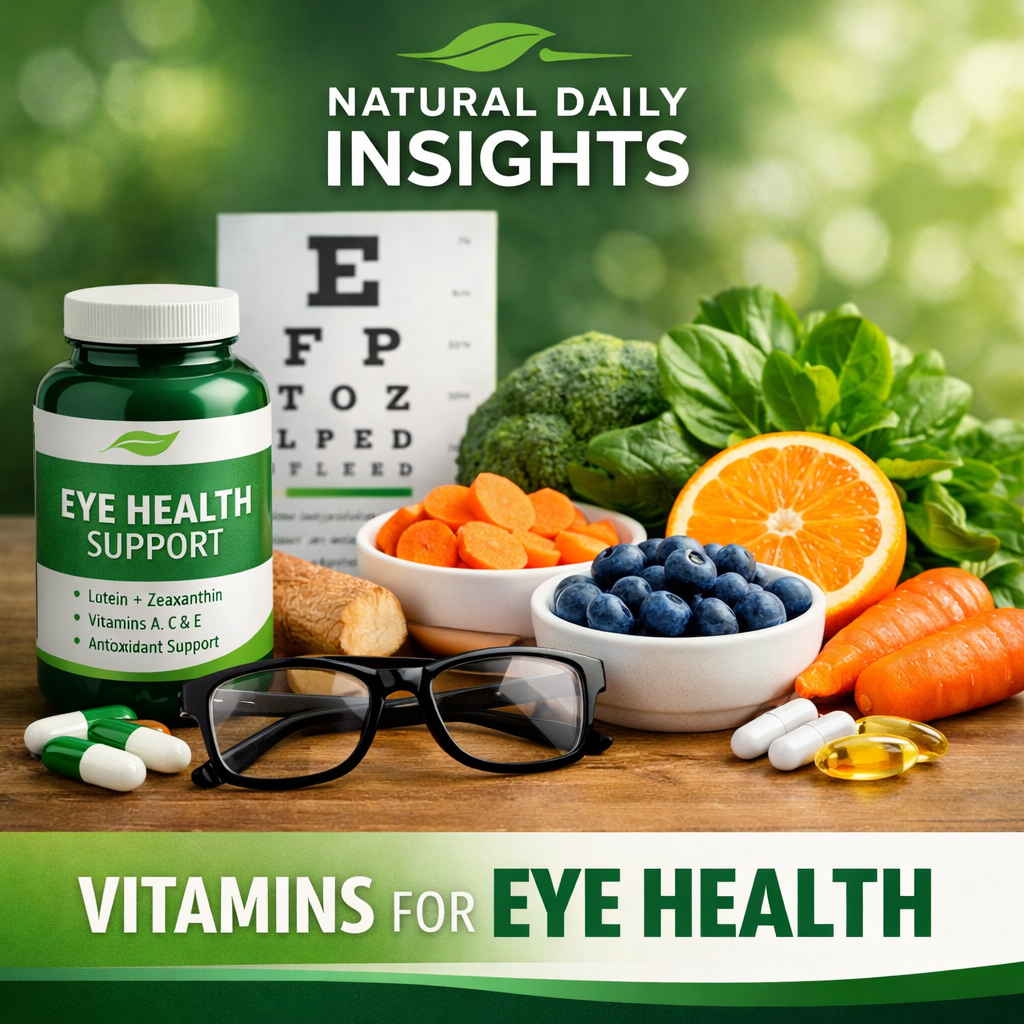
    A photorealistic image related to vitamins-for-eye-health. Alt: vitamins-for-eye-health

    Our top pick? The Pure Encapsulations Vitamin A Supplement. It packs lutein, zeaxanthin and a solid dose of vitamin A, all in one capsule. The combo supports both the macula and the surface of the eye.

    How much should you aim for? Experts recommend 10 mg of lutein and 2 mg of zeaxanthin daily for eye health. That’s about a cup of cooked kale (23 mg lutein) plus a few egg yolks (0.3 mg zeaxanthin).

    Want a food‑first plan? Try this:

    • Add a handful of spinach to your morning smoothie.
    • Sauté kale with a splash of olive oil for dinner.
    • Snack on a hard‑boiled egg mid‑day.

    And if you’re short on time, a capsule that hits the target dose is a solid backup.

    Pro Tip:Pair lutein‑rich meals with a little healthy fat (olive oil, avocado) to boost absorption.

    Other supplements in our table that include lutein are the Bausch & Lomb Ocuvite Adult 50+ (great for those over 50) and the Pure Encapsulations blend mentioned above.

    Key Takeaway:Aim for 10 mg lutein + 2 mg zeaxanthin daily, either from food or a high‑quality supplement.

    Bottom line:Lutein and zeaxanthin are the core carbs of macular health; get them daily.

    2. Omega‑3 Fatty Acids (DHA/EPA) , Retinal Support and Dry‑Eye Relief

    Omega‑3s are the building blocks of the retina’s cell membranes. DHA makes up about 60% of the photoreceptor outer segment lipids.

    Studies show that people who eat oily fish lower their risk of macular degeneration by up to 40%. For dry‑eye sufferers, a daily 1,000‑3,000 mg combo of EPA and DHA can calm inflammation and improve tear quality.

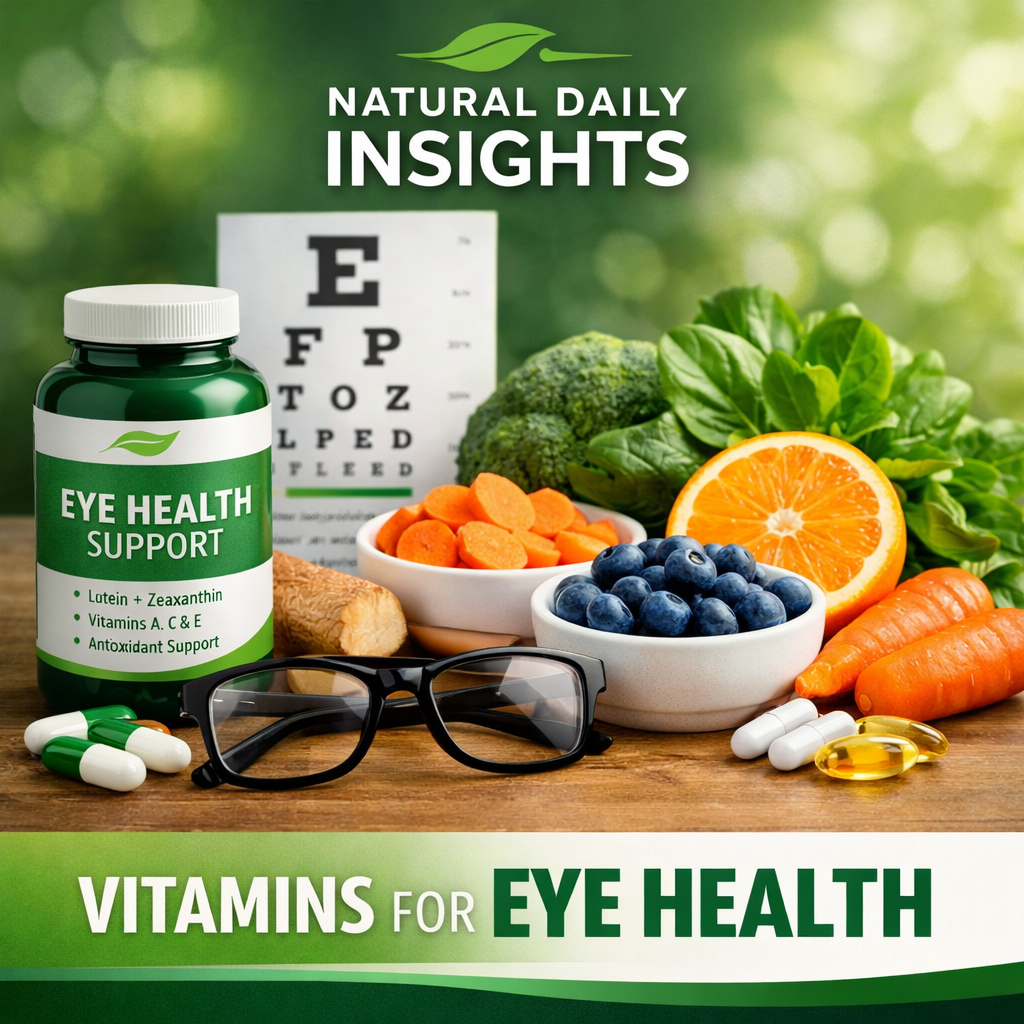
    A photorealistic image related to vitamins-for-eye-health. Alt: vitamins-for-eye-health

    We like the PRN brand that offers 1,680 mg EPA + 560 mg DHA per softgel. It’s a solid dose for most adults.

    How to fit omega‑3s in daily life:

    • Eat two servings of salmon or sardines each week.
    • Swap butter for walnut oil in salad dressings.
    • If you hit the screen a lot, try a 20‑20‑20 break: every 20 min look 20 ft away for 20 seconds.

    That screen break tip ties nicely to a handy pomodoro timer. A pomodoro timer can cue you to take eye‑friendly breaks while you work or game.

    Remember, omega‑3s need fat to absorb. Pair your supplement with a small snack of cheese or nuts.

    45%of adults with dry eye report improvement after 8 weeks of omega‑3s

    Bottom line: Omega‑3s keep retinal cells supple and help dry‑eye symptoms ease.

    3. Vitamin D , Beyond Bones, Protecting Vision

    Most people think vitamin D is just for calcium. In reality it also helps reduce inflammation in the eye and may lower cataract risk.

    A 2022 NIH review found that people with low vitamin D levels had a 30% higher chance of developing age‑related macular degeneration.

    Our research table lists the Bausch & Lomb Ocuvite Adult 50+ as a vitamin D source for older adults. If you’re not getting enough sunshine (most of us aren’t), a daily 1,000‑2,000 IU supplement is a safe start.

    How to check your status? A simple blood test for 25‑hydroxy vitamin D will tell you if you’re low, sufficient, or high.

    Practical steps:

    • Take your vitamin D supplement with a meal that has some fat.
    • Spend 10‑15 minutes outdoors each day, even on cloudy days.
    • Consider fortified foods like orange juice or plant milks.
    Pro Tip:Vitamin D works best when paired with magnesium; a magnesium‑rich snack (pumpkin seeds) can aid conversion.

    Bottom line: Vitamin D supports eye‑immune health and may slow cataract formation.

    4. Zinc (with Copper) , Antioxidant Engine for Eye Enzymes

    Zinc is a trace mineral that powers more than a thousand enzymes, many of which protect the eye from oxidative stress.

    The AREDS 2 formula (found in PreserVision) adds zinc (80 mg) plus copper to prevent copper deficiency. Clinical studies back the combo for slowing AMD progression.

    Our table shows that the PreserVision AREDS 2 supplement delivers vitamin C, vitamin E, zinc and copper in one softgel.

    How much zinc do you need? The RDA for adults is 8‑11 mg. Too much can interfere with copper, so most eye‑health blends keep a small copper dose in the mix.

    Food sources? Oysters, beef, and pumpkin seeds are top picks. If you’re vegan, consider a zinc gluconate supplement.

    Watch out: high‑phytate foods (beans, whole grains) can block zinc absorption. Pair zinc‑rich meals with animal protein for better uptake.

    Key Takeaway:Zinc plus copper is a proven pair for protecting the retina from age‑related damage.

    Bottom line: Zinc fuels the eye’s antioxidant army; get the right balance.

    5. Emerging Nutrients , Astaxanthin, Curcumin, Creatine & B‑Complex

    Beyond the classic vitamins, a few newer players show promise for eye health.

    Astaxanthin is a marine carotenoid that packs a strong antioxidant punch. Clinical trials using 4‑12 mg daily report better visual acuity and less eye‑fatigue after screen work.

    Curcumin, the bright yellow compound in turmeric, reduces inflammation. Pair it with piperine for better absorption. A 200 mg nanocurcumin dose works well for dry‑eye relief.

    Creatine, best known for muscle energy, also supports retinal ATP production. A modest 3 g daily dose can help eyes recover faster after intense visual tasks.

    The B‑complex vitamins (especially B1, B2, B6) keep nerve health in check. Low B‑levels link to cataract risk, so a balanced B‑complex is a smart addition.

    Practical combo plan:

    • Take 4 mg astaxanthin with a fatty meal.
    • Use a curcumin supplement that already includes piperine.
    • Consume 3 g creatine mixed in water post‑workout.
    • Choose a B‑complex that hits at least 1.2 mg B2 and 1.5 mg B6.
    Pro Tip:Split your B‑complex dose , half in the morning, half with dinner , to keep steady blood levels.

    Bottom line: Emerging nutrients add extra layers of protection, especially for high‑screen users.

    Conclusion

    Keeping your eyes in top shape means more than just regular check‑ups. It’s about feeding the retina, the macula and the tear film the right nutrients day in, day out. From lutein‑zeaxanthin’s internal sunglasses to zinc’s enzyme boost, each vitamin for eye health plays a distinct role.

    We’ve highlighted the strongest research‑backed picks, shown you how to hit the right doses, and warned about common pitfalls like over‑loading vitamin A. The next step? Build a daily ritual that mixes food, smart supplements and screen breaks.

    Ready to start? Try Natural Daily Insights , Clarity Edition free today and get a personalized eye‑health plan.

    Frequently Asked Questions

    What is the best daily dose of lutein for macular health?

    Most studies point to about 10 mg of lutein and 2 mg of zeaxanthin each day. You can hit that with a cup of cooked kale plus a supplement that contains both. Consistency matters more than a single high‑dose binge.

    Can I get enough omega‑3s from food alone?

    Yes, if you eat two servings of fatty fish like salmon or sardines each week, you’ll likely meet the 250‑500 mg DHA target. For vegetarians, algae‑based supplements are a reliable alternative.

    Is vitamin D really needed for eye health, or just for bones?

    Vitamin D helps modulate inflammation in the eye and supports the immune system that guards against macular degeneration. A daily 1,000‑2,000 IU dose is safe for most adults who get limited sun.

    Why do some eye supplements include copper?

    Zinc can deplete copper over time, and low copper can cause anemia and affect nerve health. Adding a small copper amount (about 2 mg) keeps the balance right and protects the retina.

    Are there any risks with high‑dose vitamin A?

    Too much vitamin A can lead to nausea, headaches and, in extreme cases, liver issues. The upper safe limit is around 9,000 IU per day. Stick to the dosage on the label and avoid stacking multiple vitamin A products.

    How do I know if I need an astaxanthin supplement?

    If you spend many hours in front of screens, notice eye‑strain or have early signs of cataract, a 4‑12 mg astaxanthin dose can help. Check with your eye doctor first, especially if you’re on blood‑thinners.

    Can B‑vitamins prevent cataracts?

    Research links low B2 (riboflavin) levels with higher cataract risk. A balanced B‑complex that meets the RDA for B2 (1.3 mg for men, 1.1 mg for women) can support lens health.

    Do eye‑health gummies work as well as capsules?

    Gummies can be convenient, but they often contain less of the active nutrients. The Ocuvite gummies in our table give vitamin C and E, but if you need precise lutein or zinc doses, a capsule or tablet is more reliable.

    Bottom line:Choose the format that fits your routine, but always check the label for actual nutrient amounts.

  • Invisible Toxic Plaque

    Invisible Toxic Plaque

    For decades, the medical community assumed that blurry vision, floaters, and dark spots were simply the unavoidable result of “getting older.” We’ve been told to just accept it and constantly upgrade our prescription glasses. However, groundbreaking independent research is now proving that the true culprit isn’t necessarily your age or genetics—it’s your environment.

    The Hidden Attacker in Your Home

    Recent studies have identified a baffling phenomenon: invisible micro-particles from everyday household items—like plastic containers, synthetic clothes, and even the pillow you sleep on—are constantly released into the air. In clinical terms, this is known as PETE (Polyethylene Terephthalate).

    Because the surface of your eye is constantly moist, it acts like a sponge. These invisible PETE particles stick to the eye, eventually creeping over the retina layer by layer. Over time, they harden into what scientists now call an “Optical Toxic Plaque.”

    “Think of your eyes like a camera lens. When this toxic plaque builds up, it’s like putting duct tape over the lens. No matter how healthy your eyes are on the inside, the light simply cannot get through the grime to form a clear picture.”

    A Breakthrough from the Deep Sea

    Traditional methods like eye drops or stronger glasses cannot wash this hardened plaque away. However, researchers investigating a rare, glow-in-the-dark marine algae from the deep waters of Okinawa found a stunning solution. This specific algae survives in toxic environments by naturally releasing proteins that dissolve plaque on its own surface.

    When these specific “Deep-Sea Proteins” are properly isolated and introduced to the human body, they act as an elite cleanup crew, safely breaking down and flushing out the hardened optical plaque that has been choking your vision.

    While protecting your eyes from UV rays and eating well are always beneficial, targeting the root environmental cause of vision decay requires a much more precise approach. As this ocular detox science advances, the hope for reclaiming crystal-clear sight and long-term independence has never been higher.