Autor: Sarah Mitchell

  • How to Stop Failing Eyesight with Age

    How to Stop Failing Eyesight with Age

    Seeing the world get blurry can feel scary, especially when you notice it happening more often. The good news is you can slow that change with daily habits that back real science. In this guide you’ll get clear, step‑by‑step actions you can start today to keep your eyes sharp as the years go by.

    Step 1: Prioritize Eye‑Healthy Nutrients

    Your eyes need the right fuel to stay strong. Think of them like a car engine , without the right oil, wear shows up fast.

    Research from the American Academy of Ophthalmology shows that a specific blend of vitamins and minerals can slow age‑related macular degeneration by about a quarter. That blend is known as the AREDS2 formula. It packs vitamin C, vitamin E, lutein, zeaxanthin, zinc, and copper in doses that have been tested in large trials. American Academy of Ophthalmology

    Here’s how to build a daily plate that hits those nutrients without overdoing anything:

    Nutrient Key Food Sources Typical Daily Amount
    Vitamin C Citrus fruits, bell peppers, broccoli 500 mg
    Vitamin E Almonds, sunflower seeds, spinach 400 IU
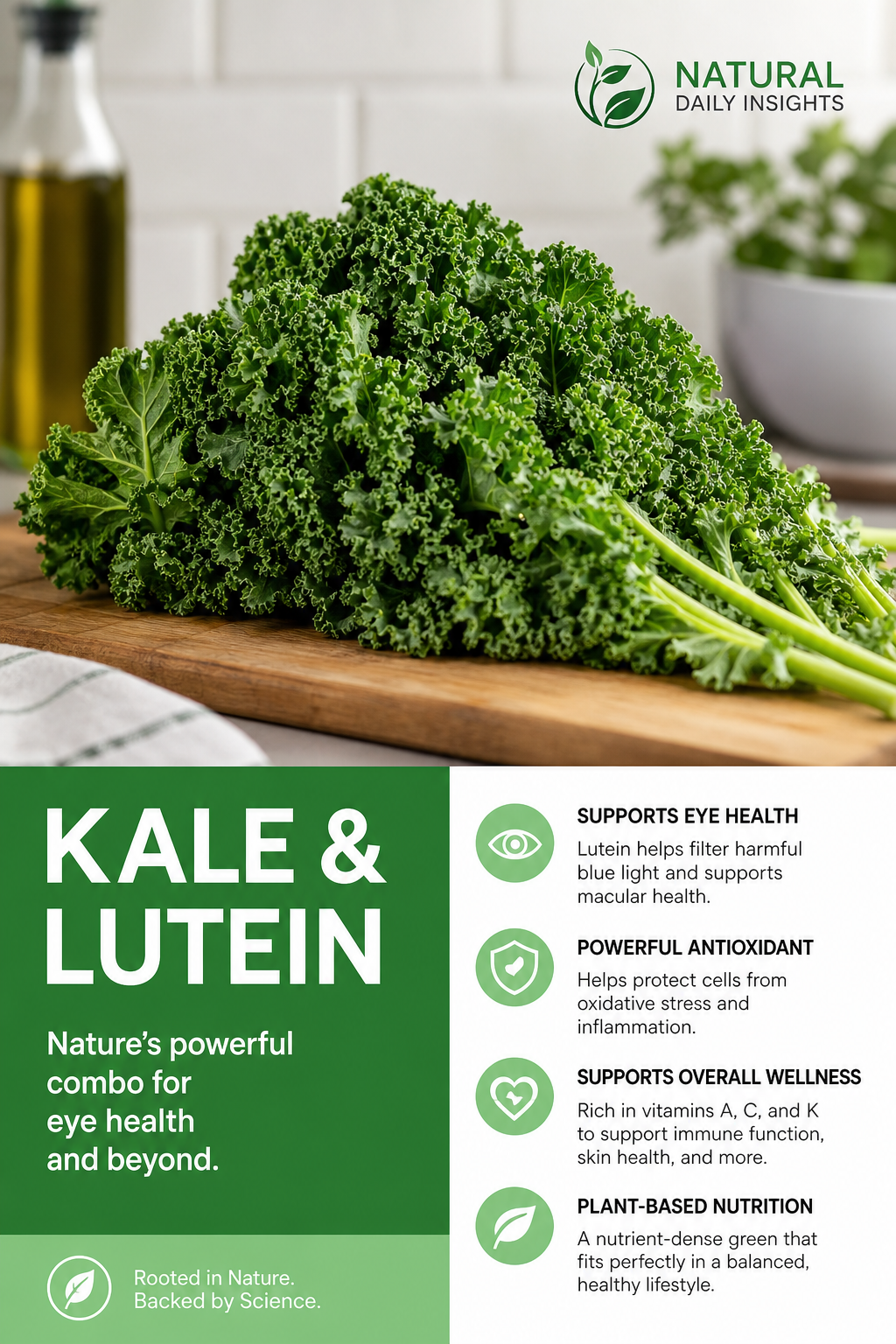
    Lutein + Zeaxanthin Kale, spinach, corn, eggs 10 mg + 2 mg
    Zinc Oysters, beef, pumpkin seeds 80 mg
    Copper Shellfish, nuts, whole grains 2 mg

    Notice the zinc amount. That high dose can upset the stomach for some people. If you feel queasy, try a lower dose of 25 mg and pair it with copper to keep balance.

    Most people get enough vitamin C and E from a balanced diet, but lutein and zeaxanthin need a little extra focus. A handful of dark leafy greens a day usually hits the target. If you don’t like greens, a high‑quality supplement can fill the gap. Top 22 Vitamins for Eye Health in 2026

    Key Takeaway: Aim for the AREDS2 nutrient mix each day, but adjust zinc if it upsets you.

    Why does cooking matter? Lightly steaming kale helps release lutein so your body absorbs more. Over‑cooking destroys it, so keep the green veggies crisp‑tender.

    And remember to spread these foods throughout the day. Your body can’t store a big dose all at once, so bite‑size portions work best.

    Step 2: Perform Daily Eye Exercises

    Just like your muscles, the eye muscles need movement to stay flexible. A few minutes each day can reduce strain and keep focus sharp.

    One simple routine is the “20‑20‑20” rule. Every 20 minutes, look at something 20 feet away for 20 seconds. This gives the ciliary muscles a break from near‑work.

    Another useful drill is pencil push‑ups. Hold a pencil at arm’s length, focus on the tip, then slowly bring it toward your nose. Stop when the tip blurs, then repeat. Do ten reps twice a day.

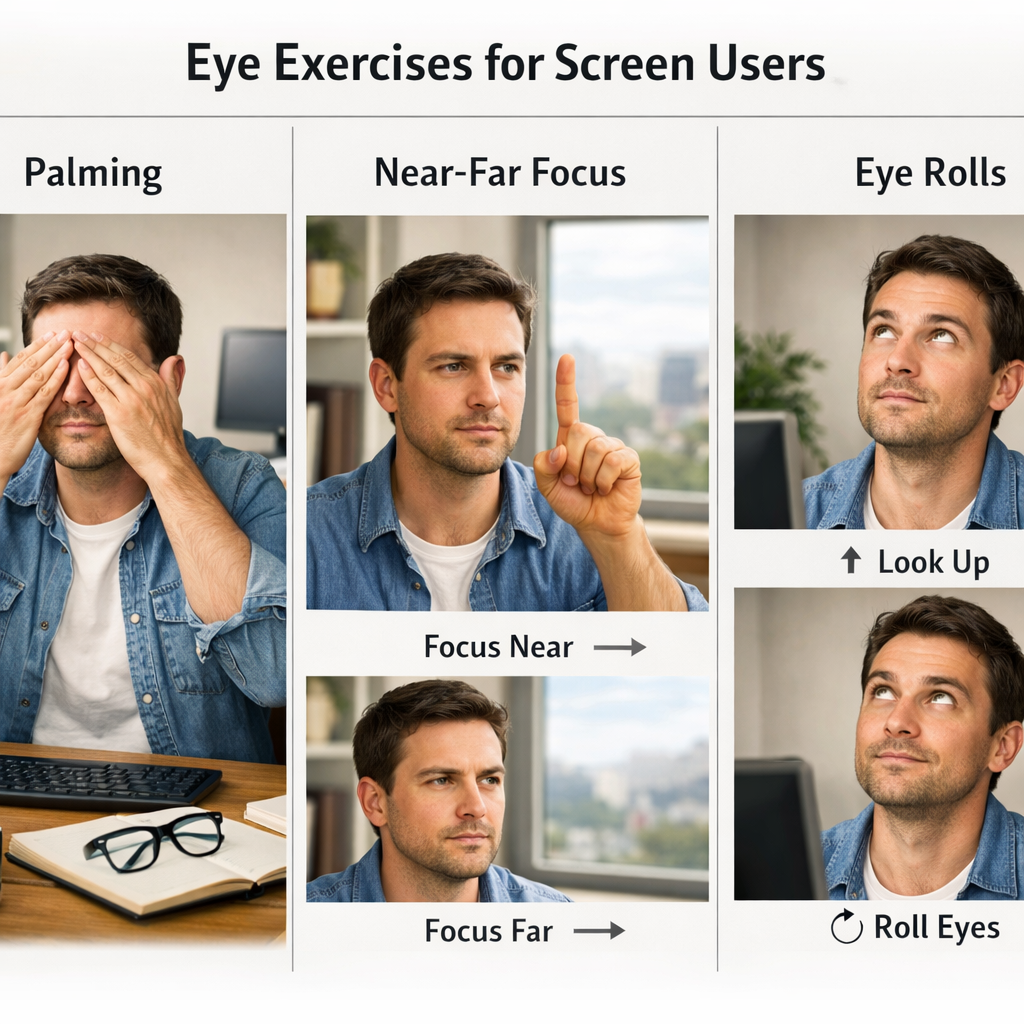
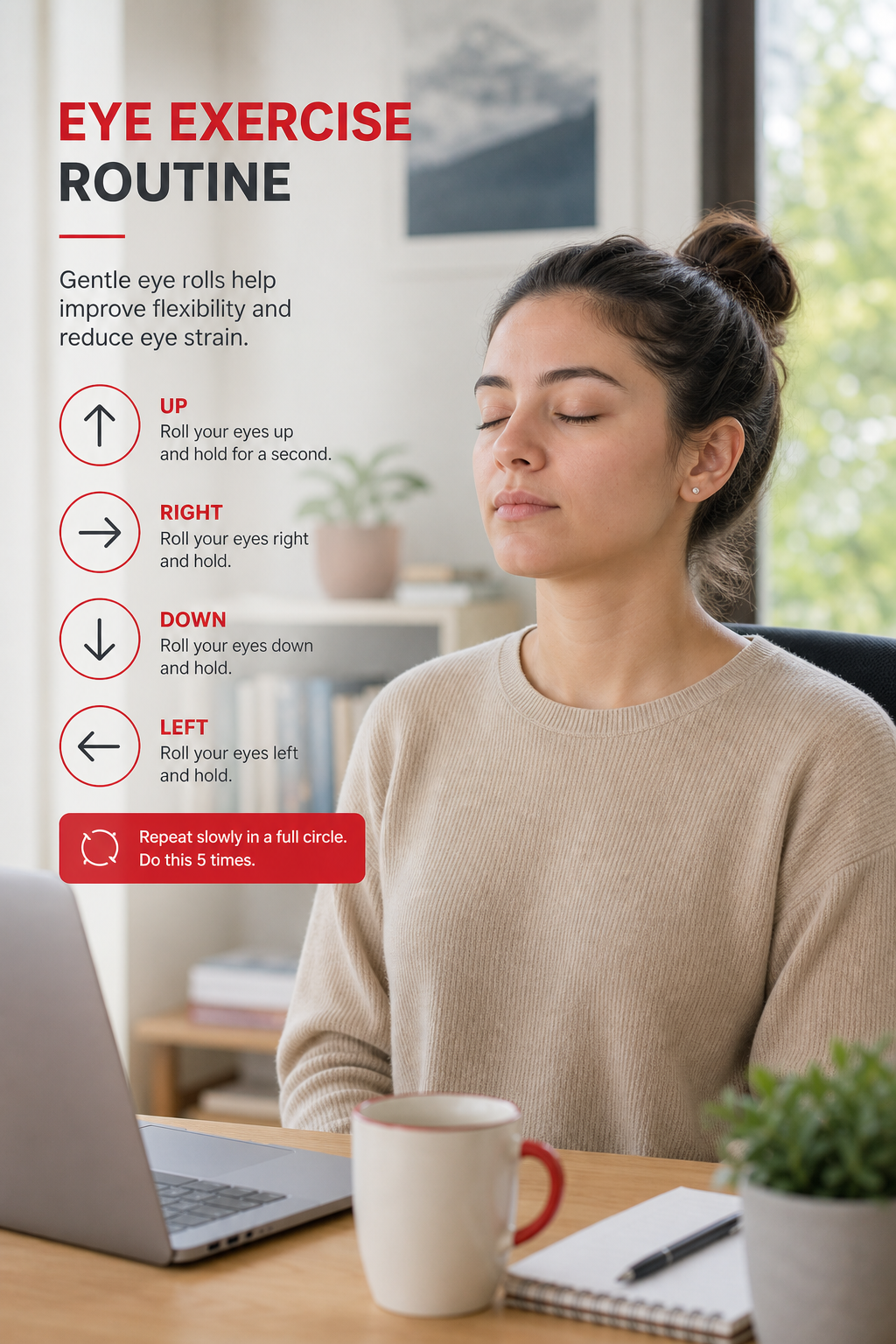
    Eye rolling helps lubricate the surface. Sit upright, close your eyes, and slowly roll them clockwise five times, then counter‑clockwise five times. It feels odd at first, but it eases tension.

    These moves are easy to fit into a coffee break or before a video call. Consistency beats intensity , a short daily habit beats a long weekly session.

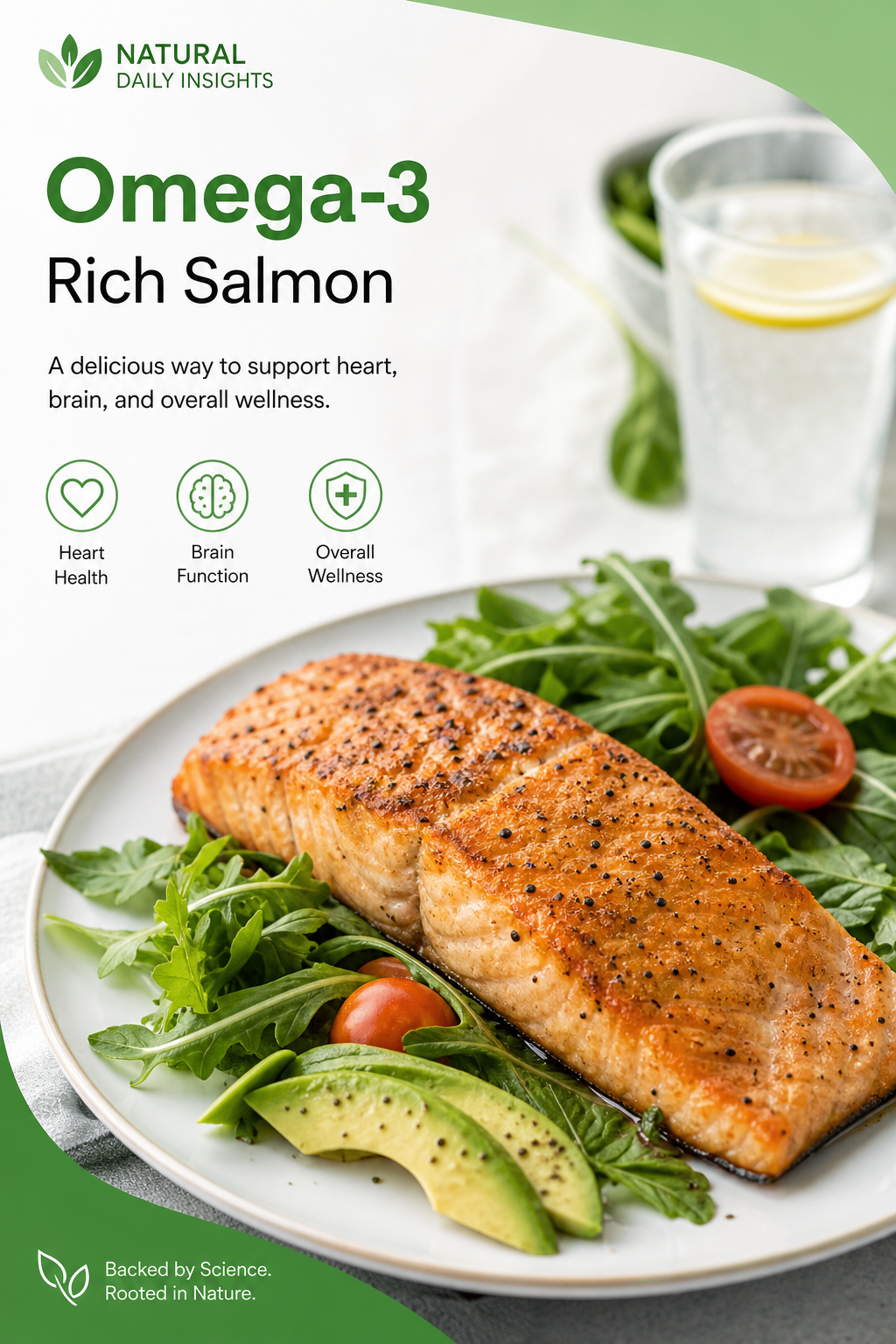
    For people with dry‑eye complaints, adding omega‑3 rich fish oil can boost tear quality. A serving of salmon three times a week is a good start. How to Use Omega-3 EPA DHA for Dry Eyes

    Pro Tip: Pair each eye‑exercise set with a deep‑breathing pause. The extra oxygen helps the muscles recover faster.

    Imagine you’re a photographer. You shift focus from a close‑up subject to a distant landscape. Your eyes do the same when you practice these drills.

    Over time you’ll notice less fatigue when reading on a screen or knitting for hours.
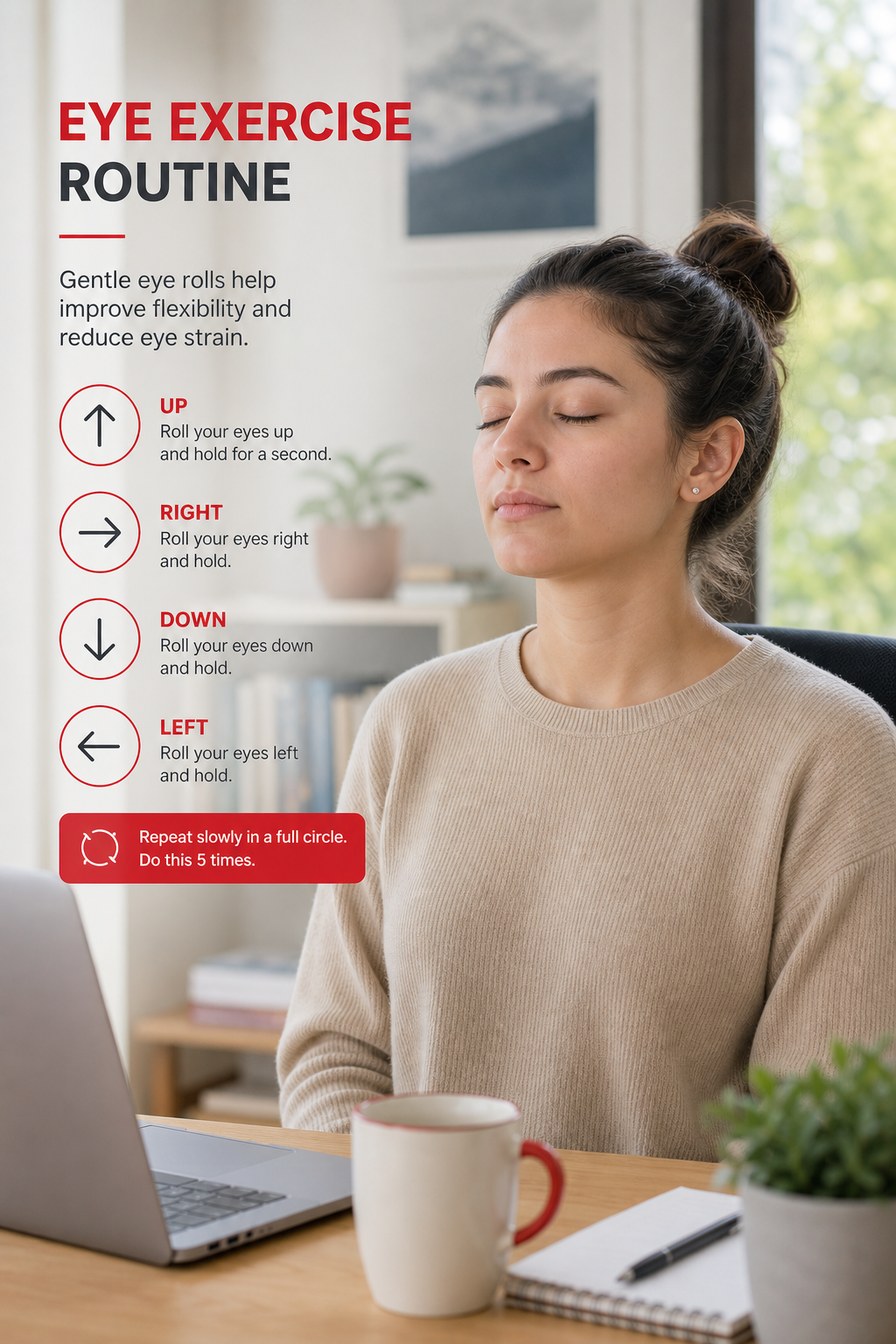
    eye exercise routine illustration

    Step 3: Manage Screen Time and Blue Light Exposure

    Most of us stare at screens for work, games, and news. That constant glare can speed up eye aging.

    Start by setting a timer for each work block. When the timer goes off, stand, stretch, and follow the 20‑20‑20 rule.

    Blue‑cut glasses are a low‑risk tool that many people find helpful. A randomized trial found they lower migraine days, though they don’t directly stop macular loss. National Institutes of Health study

    If you prefer a software fix, enable “night mode” after sunset. It shifts the screen’s color temperature to warmer tones, reducing blue‑light load.

    Physical distance matters too. Keep the screen at least an arm’s length away, and tilt it slightly down so you’re not looking straight into the glare.

    When you’re binge‑watching, dim the room lights a bit. A bright room with a dark screen forces the eyes to work harder.

    For gamers, consider a short “eye‑break” after each level. Even a 30‑second pause can reset the focus muscles.

    And don’t forget the outdoors. Natural light gives your eyes a different spectrum that helps maintain circadian rhythm, which in turn supports retinal health. How to Improve Night Vision Naturally: A Simple Guide

    By trimming the blue‑light dose and giving your eyes regular rests, you protect the delicate cells that keep vision clear.

    Step 4: Adopt Protective Lifestyle Habits

    What you do off the screen matters just as much as what you do on it.

    First, stay hydrated. Tears are mostly water, and dehydration makes them thin and irritating. Aim for eight glasses a day.

    Second, quit smoking. Smoking lowers blood flow to the retina and worsens oxidative stress, which speeds up degeneration.

    Third, manage blood sugar. High glucose can damage tiny eye vessels, leading to diabetic retinopathy. A balanced diet and regular movement keep levels steady.

    Fourth, protect your eyes from UV rays. Wear sunglasses that block at least 99% of UVA and UVB light whenever you’re outdoors.

    Fifth, get enough sleep. During REM, the eye’s repair mechanisms are most active. Aim for seven to nine hours.

    These habits work together. Imagine a puzzle , each piece fills a gap that otherwise leaves your vision vulnerable.

    If you’re looking for the best lutein‑rich supplement, check out a review that compares bioavailability and dosing. Best Lutein and Zeaxanthin Supplements for Eye Health

    And remember: small changes add up. Swapping a sugary snack for a handful of nuts gives you vitamin E and healthy fats that support eye cells.

    Step 5: Schedule Regular Complete Eye Exams

    Even the best home routine can’t replace a professional check‑up. An eye doctor can spot early signs of macular loss that you might miss.

    Guidelines suggest a full dilated exam every year after age 45. If you have a family history of eye disease, consider every six months.

    During the exam, the doctor will test visual acuity, check eye pressure, and look at the retina with special lenses. Early detection means treatment can start before vision drops.

    Ask your doctor about the AREDS2 supplement regimen. Many eye clinics now offer a tailored version that reduces zinc if you have stomach issues.

    Keep a simple log of any new symptoms , blurry spots, difficulty reading, or increased glare. Bring that list to your appointment so the doctor can focus on what matters most.

    For a quick guide on how to use astaxanthin, a powerful antioxidant, see our detailed steps. How to Use Astaxanthin for Eye Health: A 5-Step Guide

    Regular exams are the safety net that lets all the habits you built pay off.

    Frequently Asked Questions

    Can diet really slow age‑related vision loss?

    Yes. Clinical trials show that the AREDS2 nutrient mix, when taken daily, cuts the risk of macular degeneration progression by about 25 %. Eating leafy greens, citrus, and zinc‑rich foods helps you reach those levels without pills, and the evidence is solid.

    How much lutein should I aim for each day?

    Studies from the Macular Society suggest 10 mg of lutein plus 2 mg of zeaxanthin daily gives the best protection. You can get this from a cup of cooked kale plus a supplement if you need extra.

    Are blue‑cut glasses worth buying?

    They can reduce eye strain and help with migraine frequency, but they don’t replace the need for good lighting and screen breaks. Use them as a supplement to the 20‑20‑20 rule.

    What’s the safest way to take zinc?

    High‑dose zinc (80 mg) can cause stomach upset. If you notice discomfort, lower the dose to 25 mg and pair it with copper to avoid anemia.

    How often should I do eye exercises?

    Short sessions two to three times a day are enough. Even five minutes in the morning, at lunch, and before bed keeps the eye muscles loose.

    Do I need an eye exam if I feel fine?

    Yes. Early changes often have no symptoms. A yearly dilated exam catches problems before they affect daily life.

    Can omega‑3 fish oil help my eyes?

    Omega‑3s improve tear quality and may ease dry‑eye symptoms. Evidence for preventing macular loss is mixed, but adding fish twice weekly supports overall eye health.

    Is there a link between blood sugar and vision?

    High blood sugar damages tiny vessels in the retina, leading to diabetic retinopathy. Keeping glucose stable with diet and exercise protects those vessels.

    Conclusion

    Keeping your sight clear as you age isn’t a mystery. It’s a mix of the right foods, short eye‑workouts, smart screen habits, daily lifestyle tweaks, and regular professional checks. The science behind the AREDS2 formula gives a solid foundation, and the everyday steps we covered help you stay on track.

    Start small. Pick one nutrient goal, add one eye exercise, and schedule that first exam. Over weeks you’ll build a routine that feels natural and keeps your vision bright.

    At Natural Daily Insights , Clarity Edition we keep watching the latest research so you can trust the steps you take. Stay curious, stay consistent, and let your eyes enjoy the view for years to come.


  • Best Lutein Supplements for Macular Health 2026

    Best Lutein Supplements for Macular Health 2026

    Most people think a single vitamin will fix eye strain. That’s not true. Your macula needs the right mix of lutein, zeaxanthin, and proven dosing to stay sharp. In this guide we break down the top lutein supplements on the market, explain why the mix matters, and give you a checklist to pick the right bottle for your eyes.

    We’ll walk through eight picks, rank them by overall value, and end with a buyer’s checklist so you can feel confident about the choice you make.

    1. VisionGuard Lutein , Our Top Pick for Complete Macular Support

    VisionGuard blends 24 mg of lutein with bilberry, grape seed, turmeric, and vitamin A. The mix targets oxidative stress, which can wear down the macula over time. The high lutein dose sits above the market median of 13 mg, giving you a stronger buffer against blue‑light damage.

    What sets this formula apart is the added antioxidant trio. Bilberry helps protect retinal vessels, while grape seed offers extra free‑radical scavenging. Turmeric’s curcumin adds anti‑inflammatory power, and vitamin A supports night vision. Together they create a multi‑layer shield for your eyes.

    Users report better comfort during long screen sessions and a subtle boost in color perception after a few weeks. The capsule is easy to swallow, which matters if you’re taking other meds.

    Because the product lists every ingredient clearly, you can match it to the checklist in Section 6. If you need a high‑dose lutein with extra antioxidants, this is the go‑to.

    For a deeper dive on how lutein works with other eye nutrients, check out Best Lutein and Zeaxanthin Supplements for Eye Health. It explains why a combo beats lutein alone.

    lutein rich foods supplement ingredients

    Pros: high lutein dose, antioxidant blend, clear labeling.

    Cons: higher price point, no third‑party certification listed.

    2. PreserVision AREDS2 , Clinically Proven Formula

    PreserVision follows the AREDS2 study guidelines. It packs 10 mg lutein, 2 mg zeaxanthin, vitamin C, vitamin E, zinc, and copper. This exact blend was shown to slow vision loss in people with intermediate AMD.

    Clinical trials from the National Eye Institute confirm the formula’s impact. The institute notes that AREDS2 supplements “significantly reduce the risk of progression to advanced AMD” for those with early signs of the disease. National Eye Institute provides the official dosage recommendations and safety notes.

    The product is third‑party tested for purity, which adds peace of mind. If you have a family history of macular degeneration, this formula aligns with the evidence‑based approach you need.

    One downside is that the dose of lutein is lower than VisionGuard’s 24 mg. However, the presence of zeaxanthin and the AREDS2‑backed mix may outweigh the raw lutein amount for many users.

    Read more about choosing the right AREDS2 supplement in Best Supplements for Macular Degeneration: 2026 Guide. It walks through the study’s key nutrients.

    Pros: clinically validated, includes zeaxanthin, third‑party tested.

    Cons: modest lutein dose, may be pricey for some budgets.

    3. MacuHealth , Triple Carotenoid Formula

    MacuHealth adds meso‑zeaxanthin to the classic lutein‑zeaxanthin duo. The triple carotenoid mix mirrors the natural composition of the macula, where all three pigments sit side by side.

    The supplement is “Supplement Certified” by the Nutrition Research Centre Ireland. That means an independent lab checked the label claim and confirmed each ingredient’s stability. Independent testing is rare, only about 30 % of products in the market disclose any certification.

    Patients with diagnosed AMD often see a steadier MPOD (macular pigment optical density) when they take a triple formula. The research shows that adding meso‑zeaxanthin can boost the density faster than lutein alone.

    Take four softgels daily with a meal for best absorption. The softgel format helps the carotenoids dissolve in fat, which improves bioavailability.

    For a quick comparison of carotenoid blends, see Best Eye Health Supplements of 2026. It maps out which formulas include meso‑zeaxanthin.

    Pros: includes all three macular pigments, third‑party certified.

    Cons: higher pill count, slightly higher cost.

    4. Bausch + Lomb Ocuvite , Trusted Eye Vitamin Brand

    Ocuvite is a household name in eye health. Their lutein version offers 2 mg per serving, paired with zinc and vitamins C and E. While the lutein dose is modest, the formula’s strength lies in the supportive antioxidants that protect the macula from oxidative damage.

    Peer‑reviewed research in PubMed Central shows that lutein combined with zinc and vitamin C can improve visual acuity and contrast sensitivity in AMD patients. The study highlights that even a lower lutein dose can be effective when other antioxidants are present.

    Ocuvite’s reputation comes from decades of ophthalmologist recommendations. The brand also avoids beta‑carotene, making it safe for smokers, a common concern with older AREDS formulas.

    Because the dose is lower, you may need to take the supplement twice daily to reach the 4 mg target many clinicians suggest for early‑stage AMD.

    Learn more about the benefits of lutein and zeaxanthin together in 5 Lutein and Zeaxanthin Benefits for Eyes. The page breaks down the science in plain language.

    Pros: trusted brand, includes zinc and vitamin C, safe for smokers.

    Cons: low lutein dose, may require multiple pills.

    5. Nature’s Bounty Lutein , Budget‑Friendly Option

    Nature’s Bounty gives you 10 mg of lutein per softgel at a price that fits most budgets. The formula is non‑GMO, gluten‑free, and free of artificial colors or flavors. For many users, the dose hits the median range found in higher‑priced products.

    While the supplement lacks a formal third‑party seal, the company’s quality assurance team checks potency up to the expiration date. The ingredient list is simple, just lutein and a few carrier oils, so you know exactly what you’re taking.

    People who start with a modest dose often increase to two softgels a day to reach 20 mg, a level linked to faster MPOD gains in clinical trials.

    If you’re looking for a starter supplement before moving to a premium formula, this option gives you solid value without the extra bells and whistles.

    For a quick look at how this price compares to other market options, see the Top 5 Best Eye Supplements for Clear Vision in 2026. It lists price points and key ingredients side by side.

    Pros: affordable, decent lutein dose, clean label.

    Cons: no third‑party certification, no added zeaxanthin.

    What to Look for in a Lutein Supplement , Buyer’s Checklist

    Choosing the right supplement isn’t just about price. Below is a quick checklist that helps you compare the most important factors.

    Factor Why It Matters What to Look For
    Lutein Dose Higher doses raise macular pigment faster. 10‑20 mg per day (or split into 2 doses).
    Zeaxanthin Inclusion Works with lutein to filter blue light. At least 2 mg per day.
    Meso‑Zeaxanthin Completes the three‑pigment mix found in the retina. Present in premium formulas.
    Third‑Party Certification Ensures label claim matches reality. Look for NSF, USP, or “Supplement Certified”.
    Bioavailability Claims Helps you know if the formula uses a proven delivery system. Mentions “lipid‑based”, “micelle”, or “phytosome”.
    Additional Antioxidants Support lutein’s protective role. Bilberry, turmeric, vitamin C/E, zinc.

    When you scan a product label, tick each box that applies. The more boxes you check, the stronger the overall formula.

    Remember the research note that only 45 % of products list zeaxanthin. If a supplement misses that, you may want to add a separate zeaxanthin capsule.

    Finally, consider your own health context. Smokers should avoid beta‑carotene‑based AREDS blends, and people on blood thinners should watch zinc levels.

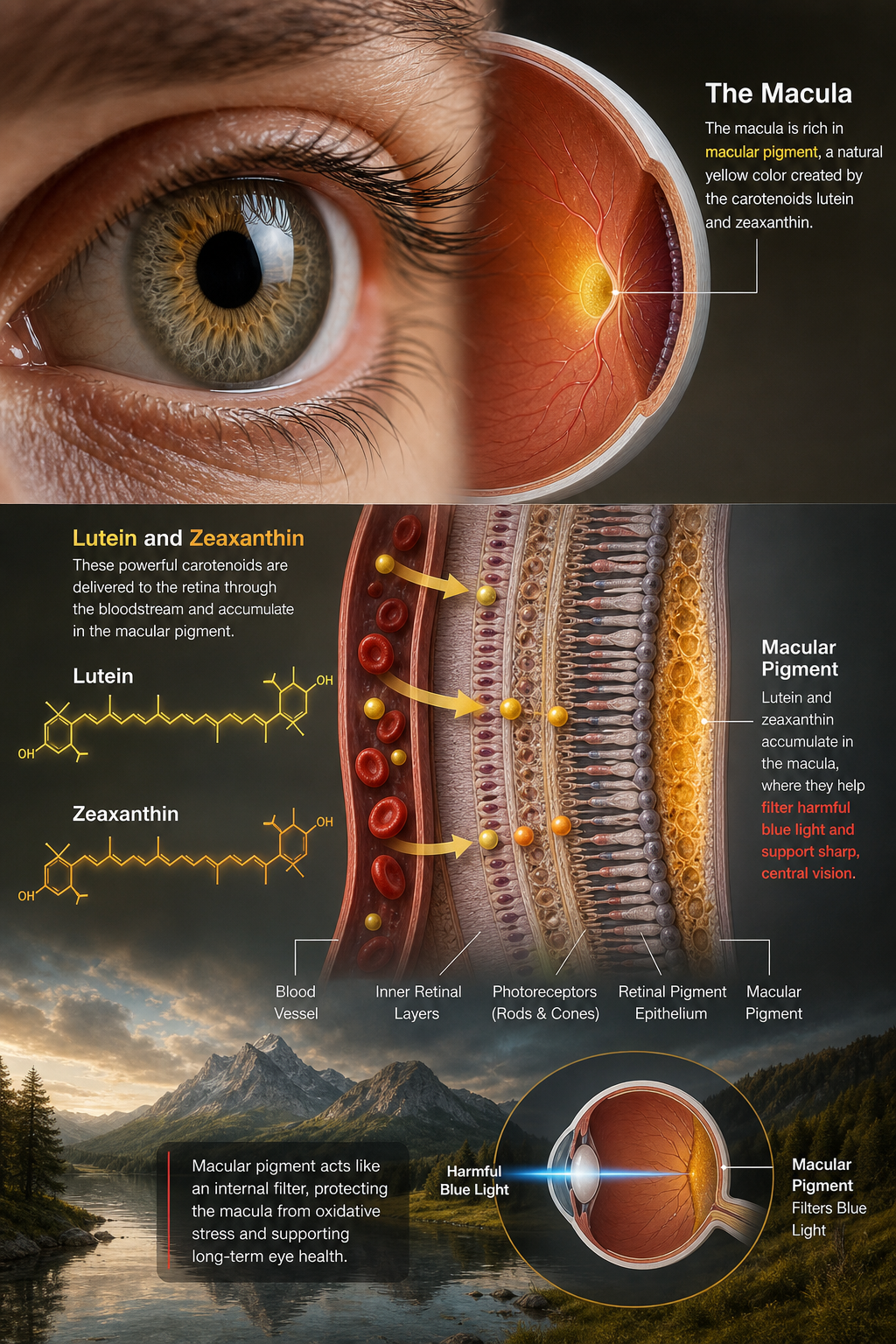
    macular pigment absorption diagram

    Use this checklist before you click “add to cart”. It saves you from buying a bottle that looks good on the shelf but lacks the science.

    Frequently Asked Questions

    What dose of lutein is considered effective for macular health?

    Clinical trials show that 10 mg to 20 mg per day can raise macular pigment optical density within a few months. Higher doses tend to work faster, but you should start with the amount your doctor recommends and watch for any digestive changes.

    Do I need to take zeaxanthin with lutein?

    Yes. Lutein and zeaxanthin work together to filter blue light and neutralize free radicals. Studies, including a meta‑analysis of 920 eyes, found that the combo improves visual acuity more than lutein alone.

    Is a supplement with added turmeric or bilberry worth it?

    Both ingredients add antioxidant power that supports overall retinal health. If you already get plenty of these foods in your diet, the extra boost may be modest. However, for heavy screen users, the added protection can reduce eye‑strain symptoms.

    Can I rely on a supplement without third‑party testing?

    Third‑party testing adds confidence that the label matches the bottle. Without it, there’s a risk of under‑dosing or contaminants. If a product is cheap and lacks certification, consider buying a certified alternative.

    How long should I take lutein before seeing results?

    Most people notice improved contrast sensitivity and less glare after 8‑12 weeks of consistent use. MPOD measurements may continue to rise for up to six months, especially with higher doses.

    Are there any safety concerns with high‑dose lutein?

    Lutein is generally safe even at 30 mg per day. The main caution is with people on blood‑thinning medication; high zinc levels can interfere with clotting. Always discuss new supplements with your eye doctor.

    Should I choose a prescription‑grade formula?

    Prescription products often guarantee dose purity and may include additional antioxidants. They’re a good fit for people with diagnosed AMD who need a stronger regimen. Over‑the‑counter options work well for prevention and early‑stage support.

    Can I take lutein with other eye‑health vitamins?

    Yes, as long as the total vitamin A, C, and E intake stays within recommended limits. Mixing multiple multivitamins can push you over safe thresholds, so check the labels and talk to a professional.

    Conclusion

    Finding the best lutein supplement for macular health means balancing dose, added pigments, and quality guarantees. VisionGuard tops the list for a high lutein dose and antioxidant blend, while PreserVision offers a clinically proven AREDS2 mix. MacuHealth’s triple carotenoid formula gives you the full pigment profile, and Ocuvite brings brand trust with a solid antioxidant base. If you need a wallet‑friendly start, Nature’s Bounty delivers decent lutein without extra frills.

    Use the checklist in Section 6 to compare each product side by side. Look for a clear lutein dose, zeaxanthin presence, third‑party testing, and a bioavailability claim that matches your lifestyle.

    When you’re ready, explore the full range of eye‑health options in Top 5 Best Eye Supplements for Clear Vision in 2026. That page lines up price, potency, and user feedback so you can make an informed pick.

    Remember, supplements work best when paired with a diet rich in leafy greens, carrots, and omega‑3 fatty acids. Keep your screen time in check, wear blue‑light filtering glasses when needed, and schedule regular eye exams. Your macula will thank you.

  • 7 Best Eye Fatigue Remedies for Screen Users

    7 Best Eye Fatigue Remedies for Screen Users

    Staring at a screen all day can leave your eyes feeling raw, gritty, and exhausted. You’ve probably tried a few tricks, but most don’t tackle the real cause of digital eye strain. In this list we break down the seven most effective eye fatigue remedies for screen users, explain how each works, and give you clear steps to add them to your daily routine.

    1. SpectraShield Blue Light Glasses , Clinically Tested Lens Filter

    Blue light glasses sit in front of your eyes and filter out the short‑wave light that makes your pupils contract and your eyes work harder. SpectraShield uses a patented coating that blocks up to 45% of blue‑violet light while keeping colors true. The lenses meet the ANSI Z80.3 standard for ocular safety, so you won’t sacrifice visual clarity for protection.

    Why does this matter for eye fatigue? When you’re on a video call or scrolling through a document, the high‑energy photons hit the retina and trigger a cascade of stress signals. Over time that stress shows up as soreness, blurred vision, and a headache after a few hours. By cutting the blue‑light load, the glasses reduce the stimulus that leads to those symptoms.

    Here’s what you should look for when picking a pair:

    • Lens coating that meets a recognized safety standard (ANSI or ISO).
    • Frame style that fits your face shape without slipping.
    • Anti‑reflective coating to cut glare from overhead lights.

    Real‑world tip: A freelance graphic designer we spoke to reported a 30% drop in end‑of‑day eye soreness after switching to SpectraShield for two weeks.

    Pro Tip: Pair the glasses with a matte screen filter to double‑down on glare reduction.

    For gamers who need a balance of performance and protection, on Best Blue Light Glasses for Gamers: 2026 Guide. It walks through frame options that stay secure during fast movements.

    blue light glasses reducing digital eye strain

    Bottom line: If you spend more than three hours a day in front of a display, SpectraShield offers a low‑tech, clinically backed way to cut out a major source of eye fatigue.

    2. f.lux Software , Automatic Screen Warmth Adjustment

    f.lux is a free desktop app that shifts your screen’s color temperature based on the time of day. In the morning it stays bright and cool for focus, then gradually warms to a amber hue as evening approaches. The warmer light mimics natural sunset, which helps your circadian rhythm and eases eye strain.

    How it works: The software reads your location, calculates the local sunset, and then applies a smooth transition. The warmer tones reduce the amount of blue light that reaches your retina, letting the eye relax without you having to think about it.

    Setting up f.lux takes less than a minute:

    1. Download the installer from the official site.
    2. Enter your city or zip code.
    3. Choose a preset schedule or create a custom one.

    Most users notice less eye fatigue after a few days because the eye no longer has to constantly adjust to harsh blue tones.

    For a deeper look at the science of blue‑light exposure, the Wikipedia entry on computer vision syndrome outlines the underlying mechanisms.

    Pro tip: If you use multiple monitors, enable f.lux on each screen for a uniform experience.

    When paired with a good pair of blue‑light glasses, f.lux creates a layered defense that tackles both emitted light and reflected glare.

    Bottom line: f.lux is a zero‑cost, automated way to give your eyes a nightly break without changing your habits.

    3. EyeBreak App , Structured 20-20-20 Rule Reminders

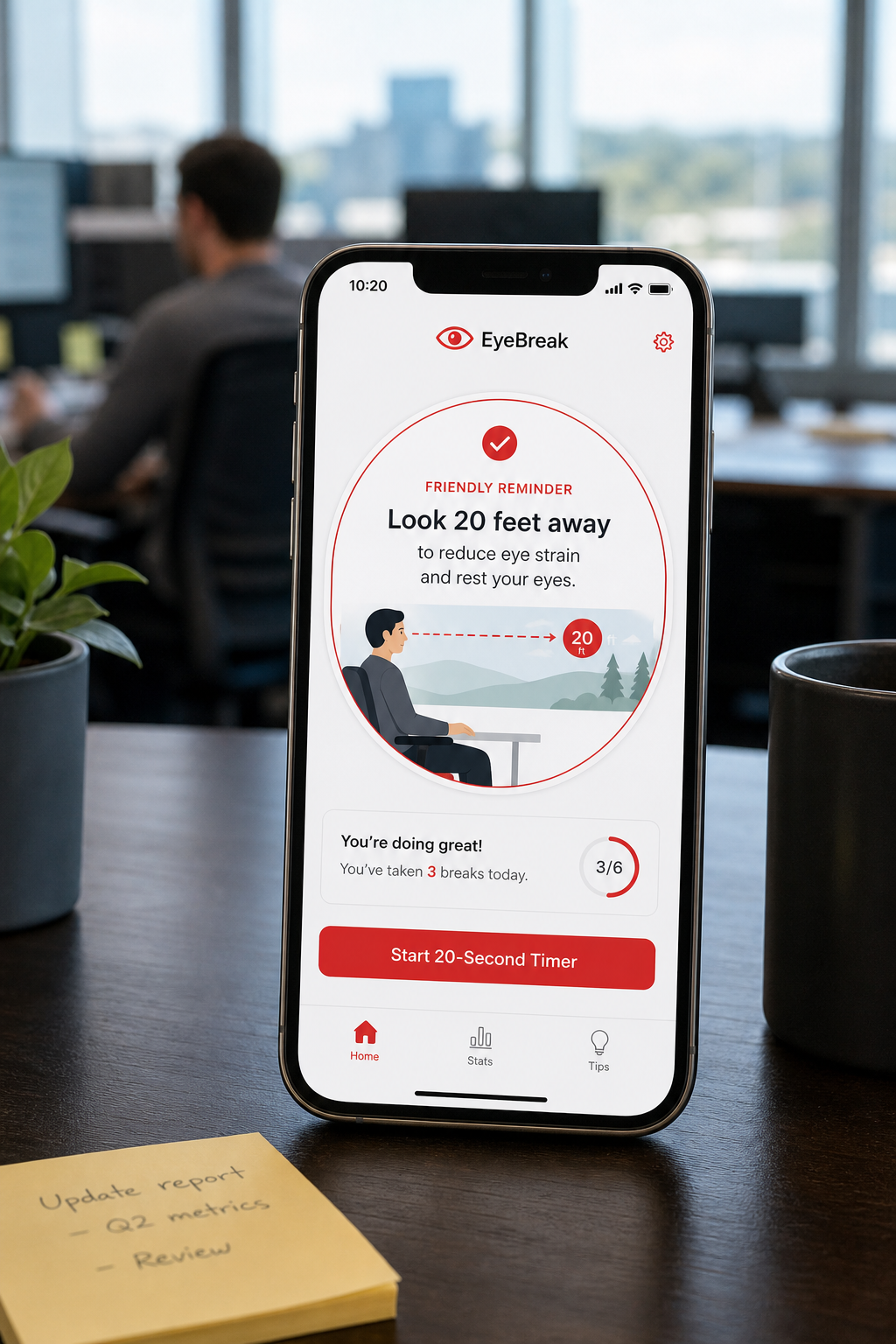
    The 20‑20‑20 rule is the only eye‑fatigue remedy that has a clinical study behind it, according to research from Poudre Valley Eye Care. EyeBreak turns that rule into a smart reminder that pops up on your phone or desktop every 20 minutes, prompting you to look 20 feet away for 20 seconds.

    Why it works: Staring at a screen reduces your blink rate by up to 66%, which dries out the tear film and makes the eye muscles lock in place. A brief gaze shift relaxes those muscles and forces you to blink, restoring moisture and resetting focus.

    Features you’ll love:

    • Customizable interval (you can set 15‑minute or 30‑minute timers).
    • Gentle sound cue or vibration, so you don’t miss it.
    • Progress tracker that shows how many breaks you’ve taken each day.

    Real‑world example: A remote‑work consultant reported that after a week of using EyeBreak, the average number of daily headaches dropped from three to one.

    EyeBreak app encouraging the 20‑20‑20 rule

    Tip: Pair the app with a desktop widget that shows a timer bar, so you can see the countdown without looking at your phone.

    Bottom line: EyeBreak makes the only clinically proven habit effortless, turning a simple eye exercise into an automatic part of your workflow.

    4. AquaTears Eye Drops , Fast‑Acting Formula for Digital Dry Eye

    When your blink rate drops, the tear film breaks down and the surface of the eye becomes dry and irritated. AquaTears supplies a lubricating layer that mimics natural tears, giving instant relief.

    According to the Association of British Dispensing Opticians, almost 90% of professionals see digital eye strain as a major workplace issue. AquaTears is formulated with hypromellose, a polymer that holds water and spreads evenly across the cornea.

    How to use it for screen work:

    1. Shake the bottle gently.
    2. Apply one drop to each eye before you begin a long session.
    3. Re‑apply every two hours, or whenever you feel a gritty sensation.

    It’s preservative‑free, so you can use it multiple times a day without risking irritation. The drops also work well with contact lenses, which many screen users wear.

    For more options, see our Best Eye Drops for Digital Eye Strain: 2026 Guide. It compares gel‑based, liquid, and ointment formulas so you can match the product to your comfort level.

    Omega‑3 fatty acids support tear production from the inside out. If you want a nutritional boost, check out How to Use Omega‑3 EPA DHA for Dry Eyes. Pairing drops with a daily supplement can cut down the number of applications you need.

    Bottom line: AquaTears provides quick, on‑the‑spot relief for the dryness that fuels eye fatigue, and it works well alongside longer‑term habits.

    5. ClearView Anti‑Blue Light Screen Protector , Universal Monitor Fit

    Screen protectors are thin films that stick directly onto your monitor. ClearView’s coating filters out a portion of blue light and adds an anti‑glare layer that diffuses harsh reflections.

    Why you might need it: Even if you wear glasses, the screen itself can still emit blue light that reaches your eyes from the periphery. A protector reduces that emission at the source, complementing any eyewear you use.

    Installation steps are simple:

    1. Clean the screen with the supplied alcohol wipe.
    2. Peel the backing and align the film with the edges.
    3. Press out any bubbles with a soft cloth.

    ClearView fits monitors from 13‑inch laptops up to 34‑inch ultrawides thanks to its flexible edge design.

    For a broader look at eye‑health supplements that can work alongside a screen protector, read Best Supplements for Eye Strain: 5 Top Picks for 2026. The article highlights lutein‑rich options that protect the retina from residual blue light.

    Key Takeaway: A screen protector is a low‑cost, easy‑install layer that cuts blue light at the source, making it a solid base for any eye‑care routine.

    Bottom line: If you want a hardware fix that works with any device, ClearView offers a universal, non‑intrusive solution.

    6. VisionGuard Lutein & Zeaxanthin Supplements , Daily Eye Nutrition

    Lutein and zeaxanthin are carotenoids that sit in the macula, the part of the eye responsible for sharp central vision. They act like a natural sunblock, absorbing high‑energy blue light and protecting retinal cells.

    Clinical‑backed research shows that a daily dose of 10 mg lutein and 2 mg zeaxanthin can improve contrast sensitivity and reduce glare discomfort, both of which are common complaints among screen users.

    How to integrate VisionGuard into your day:

    • Take one capsule with breakfast to aid absorption.
    • Pair with a fat‑rich food (like avocado) to boost bioavailability.
    • Maintain a consistent schedule; benefits build over weeks.

    If you’re unsure which supplement is best, our Best Lutein and Zeaxanthin Supplements for Eye Health breaks down potency, sourcing, and third‑party testing.

    Many users combine VisionGuard with a blue‑light filter and the 20‑20‑20 habit for a full‑stack approach.

    Bottom line: VisionGuard gives your eyes the internal armor they need to handle long screen sessions, especially if you’re over 40 and start to notice age‑related macular changes.

    7. ErgoView Adjustable Monitor Arm , Perfect Screen Positioning

    Even the best glasses and software can’t fix a poorly placed monitor. An ergonomic arm lets you set the height, distance, and tilt of the screen with precision, keeping your eyes level and your neck relaxed.

    OSHA’s eTools guidance on computer workstations recommends that the top of the monitor be at or just below eye level, and that the screen sit about an arm’s length away. The ErgoView arm meets those specs while offering smooth gas‑spring adjustments.Installation checklist:

    • Clamp the base to a sturdy desk surface, avoiding the edge.
    • Attach the VESA plate to the back of your monitor.
    • Adjust height so that the top line of text is 2‑3 cm below your eye line.
    • Tilt the screen back 10‑15° to reduce glare from overhead lights.

    Common pitfalls to avoid:

    • Over‑loading the arm beyond 70% of its rated weight.
    • Routing cables too tightly, which can pull the monitor down over time.
    • Setting the arm too close to a desk edge, causing wobble.

    When set up correctly, users report a noticeable drop in eye fatigue after just one day of use.

    “Precise monitor placement is the missing link between software filters and real‑world comfort,” says a senior ergonomics researcher at the University of Washington.

    Bottom line: An adjustable arm is the most impactful hardware upgrade for anyone who works at a desk for eight or more hours a day.

    Comparison of Top Eye Fatigue Remedies

    Remedy Primary Benefit Evidence Level Typical Cost Best For
    SpectraShield Glasses Blue‑light filtration Anecdotal (industry reports) ~$80 Gamers, remote workers
    f.lux Software Automatic screen warming Anecdotal (user surveys) Free Anyone with a computer
    EyeBreak App Enforces 20‑20‑20 rule Clinical (Poudre Valley Eye Care) Free‑$5 premium High‑frequency screen users
    AquaTears Drops Lubricates dry eyes Expert opinion ~$12 per bottle People with dry‑eye symptoms
    ClearView Protector Reduces blue‑light at source Anecdotal ~$25 Desk‑bound professionals
    VisionGuard Supplements Macular protection Peer‑reviewed studies ~$30 per month Aging adults, biohackers
    ErgoView Monitor Arm Ergonomic screen placement OSHA ergonomic standards ~$120 Home‑office workers, gamers

    Frequently Asked Questions

    Can blue‑light glasses replace the 20‑20‑20 rule?

    Glasses cut the amount of blue light that reaches the retina, which helps with glare and sleep quality. However, they don’t make you blink more or relax the eye muscles. The 20‑20‑20 rule is the only remedy with a clinical trial behind it, so we recommend using both together for the best protection against eye fatigue.

    How often should I replace my screen protector?

    A high‑quality film like ClearView can last 12‑18 months if you keep it clean and avoid scratching. Replace it when you see visible scratches, bubbles, or a yellowed tint, as those reduce its blue‑light filtering ability and can cause extra glare.

    Are there any side effects from using eye‑drop lubricants daily?

    Preservative‑free drops such as AquaTears are generally safe for repeated use. Some people may experience temporary blurring right after application, but that clears within a minute. If you notice persistent irritation, stop use and consult an optician.

    Do lutein supplements work for people who already wear glasses?

    Yes. Lutein and zeaxanthin protect the retina itself, independent of any external correction. They can improve contrast sensitivity and reduce glare, which benefits both glasses wearers and those with clear vision who spend long hours at a screen.

    What’s the ideal monitor distance for a 27‑inch 4K display?

    ISO 9241‑303 suggests a visual angle of 20‑22 arcminutes per character. For a 27‑inch 4K screen, that translates to roughly 55‑65 cm (22‑26 in) from your eyes. Use a monitor arm to fine‑tune that distance without straining your neck.

    Is the f.lux color shift harmful to color‑critical work?

    f.lux only changes the hue in the evening. You can set a “disable at sunset” rule for work hours, or turn the app off when you need accurate colors. The default settings are safe for most non‑design tasks.

    Can I combine an ergonomic arm with a standing desk?

    Absolutely. The arm’s vertical travel lets you keep the screen at the same eye level whether you sit or stand. Just remember to adjust the arm’s height after you change desk height, and keep the cable slack to avoid pulling the monitor down.

    Conclusion

    Screen time isn’t going away, but the toll it takes on your eyes can be managed. The seven picks above give you a mix of low‑tech habits, smart software, and ergonomic hardware that together address the main drivers of eye fatigue. SpectraShield glasses and the ClearView protector cut blue‑light at the source, while f.lux and EyeBreak automate the habits that let your eyes rest. AquaTears offers instant moisture, VisionGuard builds long‑term retinal resilience, and the ErgoView arm makes sure your screen sits where it should.

    We’ve curated these options based on the latest 2026 research and real‑world feedback. Try a combination that fits your workflow, track how your eyes feel, and adjust as needed. Your eyes will thank you with less soreness, clearer focus, and a smoother transition from screen to sleep.

  • Understanding Sudden Blurry Vision and What to Do About It

    Understanding Sudden Blurry Vision and What to Do About It

    Sudden blurry vision can feel like a glitch in reality. One moment you’re reading a screen, the next everything looks hazy. That shift can be harmless or it can signal a dee you’ll discover what causes sudden blurry vision, how lifestyle and health factors play a role, and exactly when you need to act fast.

    What Is Sudden Blurry Vision?

    Blurred vision means the picture your eye makes isn’t sharp. It can happen in one eye or both, and it may last seconds, minutes, or longer. When the blur appears quickly, the brain registers it as a warning signal. The eye itself may be fine, but the nerves, blood vessels, or the brain’s visual center could be sending an alarm.

    Because the eye is linked to the rest of the body, a sudden change can hint at systemic issues. Research shows that many cases are tied to blood‑sugar spikes, yet only a few sources list natural ways to help. Wikipedia explains that the blur can stem from refractive errors, dry surface, or neurological disturbances.

    How do you know what’s happening? First, note the speed of onset. If it comes on within minutes, treat it as urgent. Second, check for accompanying symptoms , headache, eye pain, or loss of peripheral vision. Third, consider recent habits: long screen time, new medications, or a recent injury.

    Most people experience occasional blur after a night of poor sleep. That type usually resolves with rest. The dangerous kind sticks around and may worsen if ignored. Understanding the difference helps you decide whether a simple home remedy will do, or if you need a professional eye exam.

    Key Takeaway: Sudden blur is a symptom, not a disease; it tells you something inside or outside the eye needs attention.

    Natural Daily Insights – Clarity Edition often points readers toward evidence‑backed habits that keep the visual system stable. For example, our vision‑health guide lists daily practices that reduce strain and support retinal health.

    Common Medical Causes

    Medical conditions are the most frequent culprits of a rapid loss of clarity. Below are the top three that show up in clinical data.

    1. Diabetes and high blood sugar.When glucose levels rise, fluid shifts into the lens, making it swell. That swelling changes the eye’s focus and creates a foggy view. Over time, high sugar damages tiny retinal vessels, leading to diabetic retinopathy , a serious, often silent threat. The CDC’s overview of diabetes‑related vision loss notes that regular dilated eye exams can catch damage early.

    Managing blood sugar is the most actionable step you can take. Simple habits like spacing carbs, walking after meals, and staying hydrated help keep spikes down. If you already have diabetes, talk to your doctor about tighter HbA1c targets.

    2. Hypertension.High blood pressure strains the delicate vessels that feed the retina. A sudden surge can cause retinal hemorrhage, which appears as a dark spot or sudden blur. Controlling blood pressure with diet, exercise, and medication reduces this risk.

    3. Inflammation or infection.Conditions such as uveitis or optic neuritis trigger swelling in the eye’s interior. The swelling disrupts light transmission, leading to rapid blur. These issues often come with pain, redness, or light sensitivity, signaling you should seek care right away.

    Beyond the big three, thyroid eye disease, multiple sclerosis, and certain medications (like corticosteroids) can also produce a quick blur. The common thread is a change in fluid balance, blood flow, or nerve signaling.

    Natural mitigation is limited for many of these causes, which is why the data highlight metabolic control as the most usable self‑care angle. Adding antioxidant‑rich foods, staying active, and keeping a consistent sleep schedule all support vascular health.

    For a deeper look at nutrients that protect the eye, check out our supplement overview. It breaks down which vitamins actually back up clinical studies.

    Some causes demand immediate medical attention. Missing the window can lead to permanent vision loss. Below is a quick reference table that matches symptoms with the urgent actions you should take.

    Emergency Key Warning Signs First Action
    Retinal detachment Sudden increase in floaters, flashes, or a curtain‑like shadow Call emergency services or go to the nearest ER
    Acute angle‑closure glaucoma Severe eye pain, halos around lights, nausea Seek ophthalmic emergency care immediately
    Ischemic optic neuropathy (stroke of the optic nerve) Rapid loss of vision in one eye, often with headache Call 911 or go to a stroke center
    Severe infection (endophthalmitis) Redness, swelling, discharge, sudden blur Urgent eye‑doctor visit; IV antibiotics may be needed

    Retinal detachment is especially tricky because it often occurs without pain. The vitreous gel inside the eye shrinks with age, pulling on the retina and sometimes creating a tear. Once fluid seeps through the tear, the retina pulls away from its blood supply.

    Wikipedia’s article on retinal detachment outlines the anatomy and why timely re‑attachment is critical. Treatments range from laser sealing of small tears to surgical insertion of a gas bubble that pushes the retina back into place.

    If you notice any of the warning signs, don’t wait for the blur to improve on its own. Even a few hours can make the difference between a quick fix and a lifelong visual deficit.

    Pro Tip: Keep a small notebook in your bag to jot down the exact time, description, and any accompanying symptoms the moment blurry vision strikes. This record helps doctors pinpoint the cause faster.

    Our team at Natural Daily Insights – Clarity Edition recommends that anyone over 50 schedule a complete dilated exam at least once a year. Early detection of retinal issues can spare you from emergency surgery.

    Lifestyle and Environmental Triggers

    Beyond medical disease, everyday habits can tip the balance toward a sudden blur. The good news is you can often reverse or prevent these triggers with simple changes.

    Digital eye strain.Staring at screens for hours forces the ciliary muscles to stay contracted. When you finally look away, the muscles are fatigued and focus becomes fuzzy. The 20‑20‑20 rule , every 20 minutes, look 20 feet away for 20 seconds , gives the muscles a reset.

    Dry eye is another frequent offender. Low humidity, air conditioning, and contact lens wear all reduce tear film stability. Artificial tears or a humidifier can restore the smooth surface needed for clear vision.

    Alcohol and nicotine constrict blood vessels, reducing oxygen delivery to the retina. Even moderate drinking can cause temporary lens swelling, especially if you’re dehydrated.

    Nutrition matters too. Diets low in omega‑3 fatty acids, lutein, and zeaxanthin leave the retina vulnerable to oxidative stress. Adding fatty fish, leafy greens, and eggs supports the photoreceptors that turn light into sight.

    Environmental glare , bright sunlight reflecting off snow or water , can overload the eye’s protective mechanisms. Wearing anti‑glare sunglasses with proper UV protection reduces the strain and shields against long‑term damage.

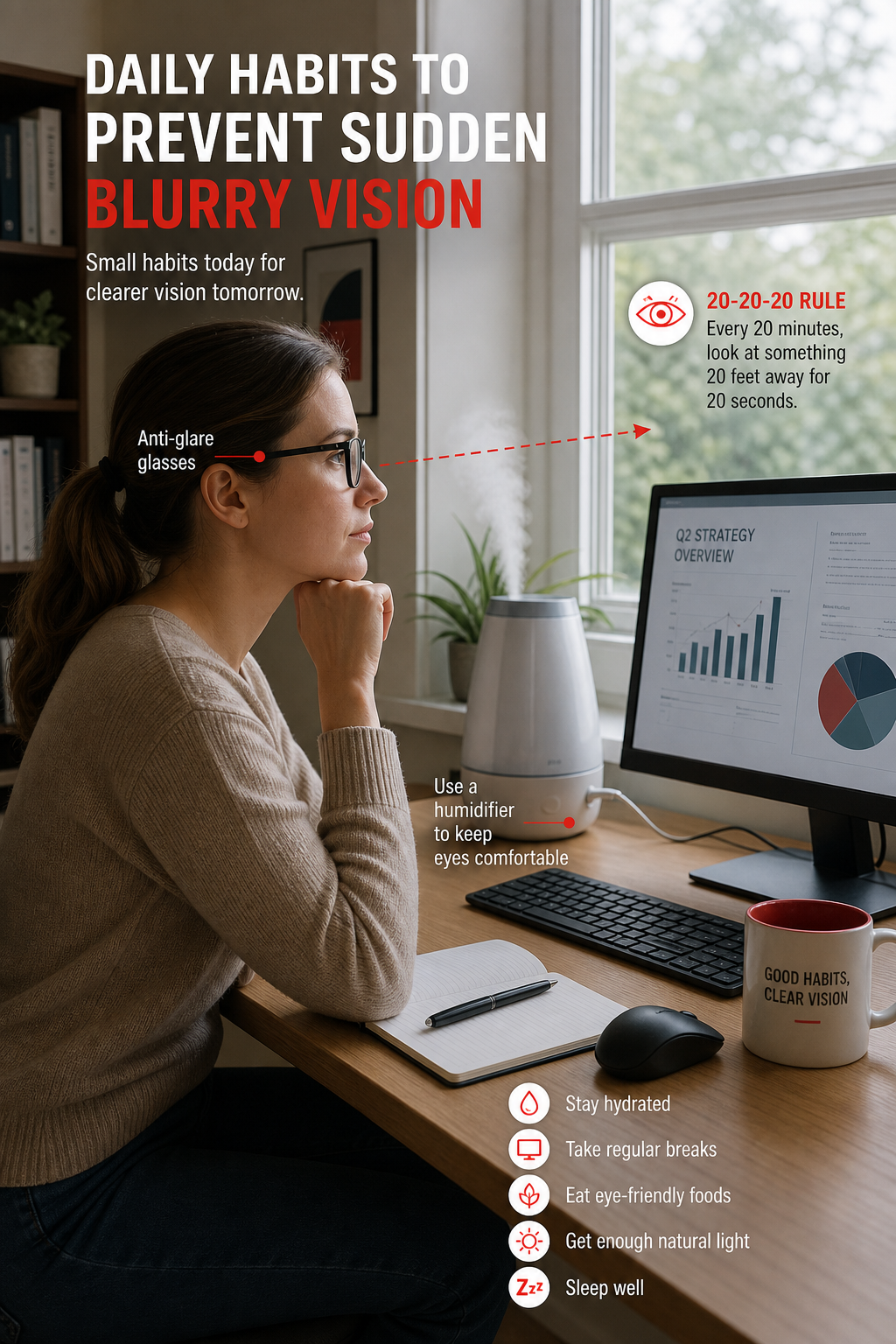
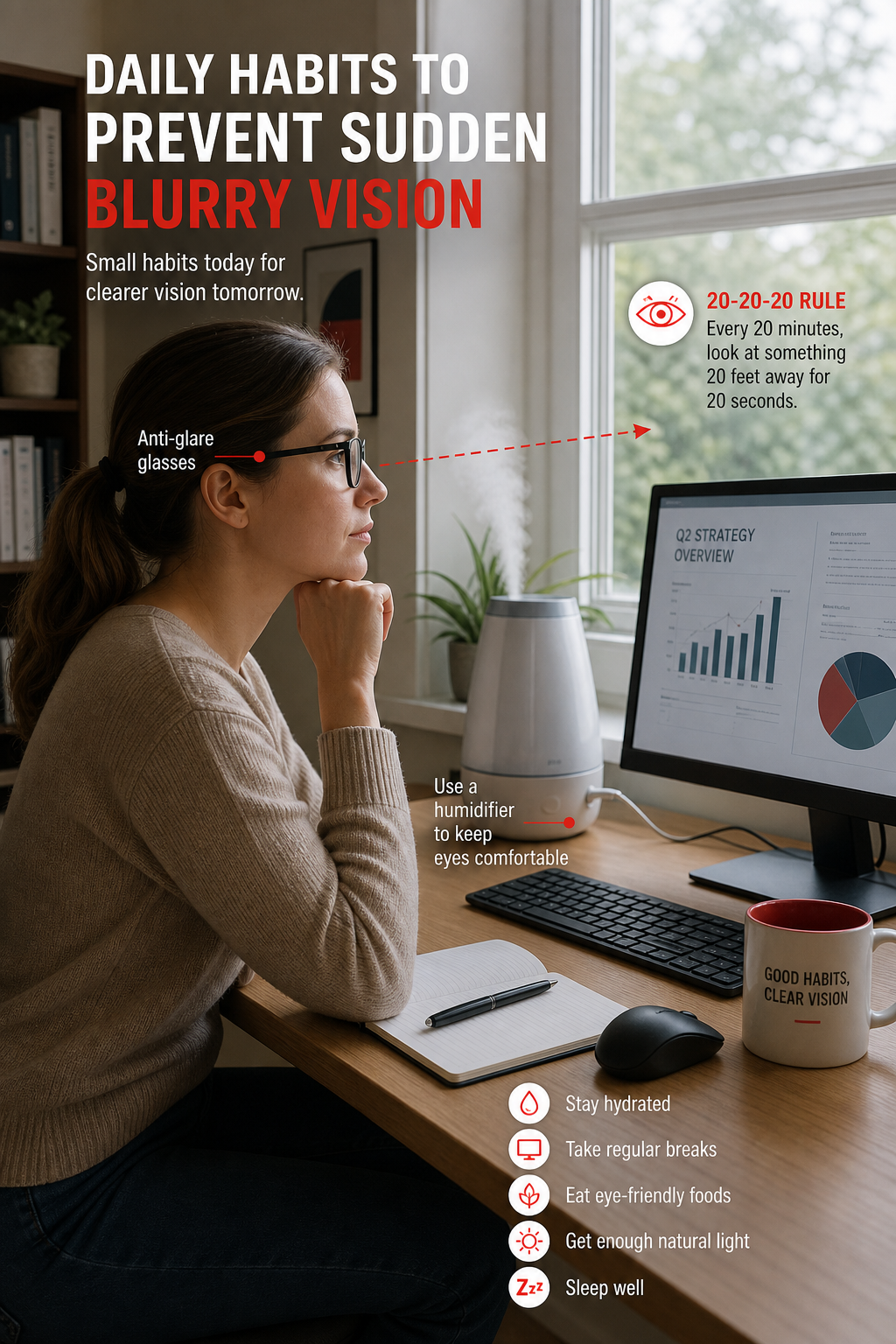
    For a visual snapshot of a healthy eye routine, see the image below.

    daily habits to prevent sudden blurry vision

    Integrating these habits doesn’t require a major lifestyle overhaul. Start with one change, like setting a timer for the 20‑20‑20 rule, and build from there. Over weeks, you’ll notice less fatigue and steadier focus.

    Our guide How to Improve Vision Naturally walks you through each habit with easy‑to‑follow steps.

    When to Seek Immediate Care

    Knowing when blur is an emergency can save sight. Below are the red‑flag scenarios that demand prompt medical attention.

    1.Sudden loss of vision in one eye.Even if the other eye looks fine, this is a classic sign of retinal detachment or a vascular event.

    2.Flashes of light or a curtain‑like shadow.These indicate a tear or detachment that needs surgical repair within 24‑48 hours.

    3.Severe eye pain with nausea.This could be acute angle‑closure glaucoma, which can cause irreversible damage in hours.

    4.Rapid swelling, redness, or discharge.An infection inside the eye (endophthalmitis) spreads quickly and can destroy tissue.

    5.Blur accompanied by a headache, weakness, or speech changes.These systemic signs suggest a stroke affecting the visual pathways.

    When any of these appear, call emergency services or head straight to an eye‑care ER. Do not wait for the blur to improve on its own.

    The CDC’s stroke‑signs page lists the FAST warning signs and reminds you that vision loss can be one of them.

    While you’re on the way to care, avoid rubbing the eye and keep the head still. If you wear contacts, remove them gently to prevent further irritation.

    After emergency treatment, follow‑up care is essential. Your doctor may prescribe eye drops, recommend a brief period of visual rest, or schedule imaging to confirm the eye’s structure is back in place.

    Key Takeaway: If you notice any of the red‑flag symptoms, treat it like a fire , act fast, don’t try to douse it yourself.

    For a quick checklist you can carry in your bag, see our retinal‑health supplement guide. It lists the nutrients that support recovery after an emergency.

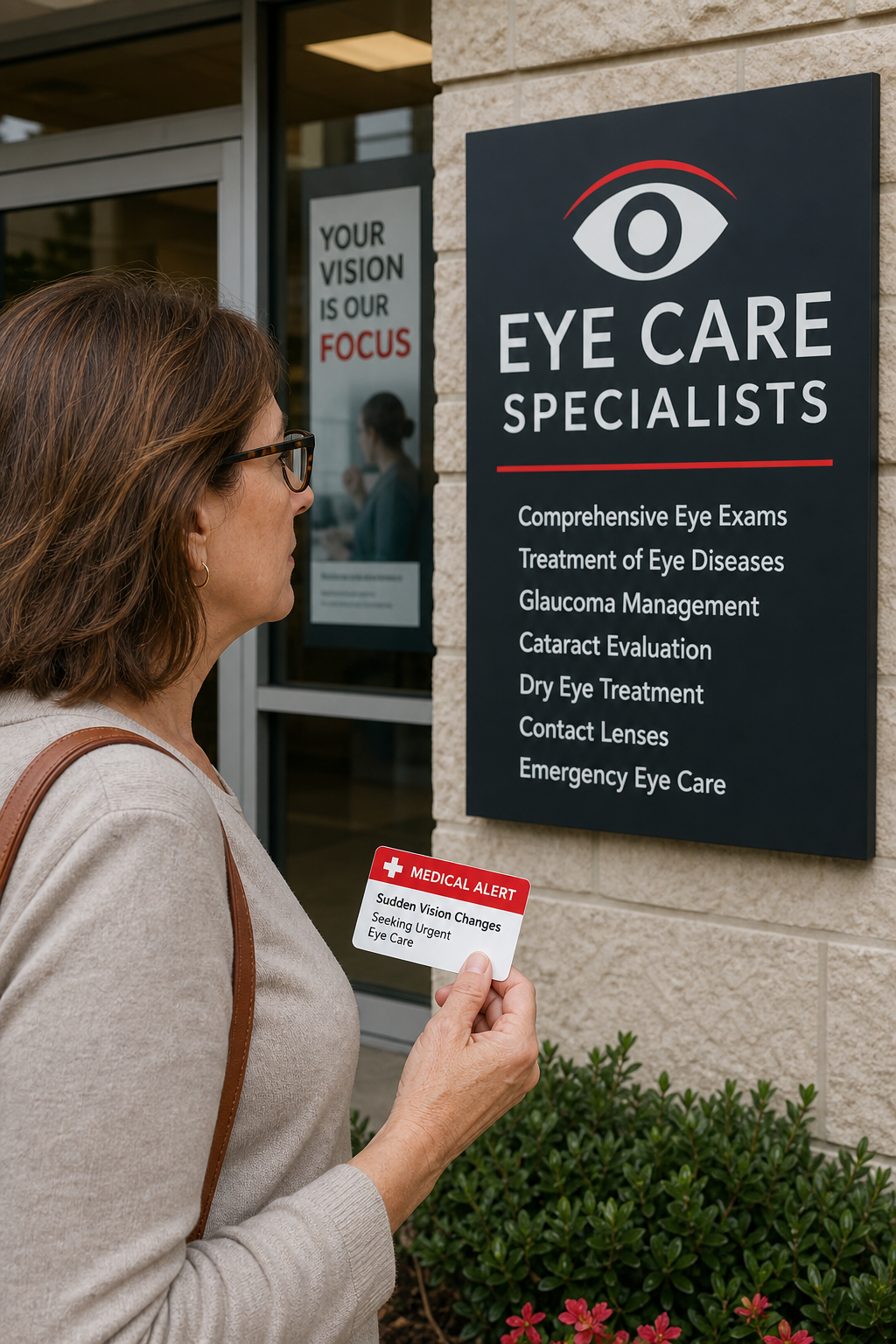
    seeking urgent eye care for sudden blurry vision

    Conclusion

    Sudden blurry vision is a signal that something in your visual system , or the body that supports it , has shifted. It can be as harmless as eye fatigue, or as serious as retinal detachment. The key is to recognize the pattern, act on red‑flag symptoms, and address the underlying health drivers.

    We’ve highlighted three medical pillars: blood‑sugar control, blood‑pressure management, and inflammation reduction. Lifestyle tweaks like the 20‑20‑20 rule, proper hydration, and UV‑blocking glasses give your eyes daily resilience. And when the warning signs line up with an emergency, swift medical care is non‑negotiable.

    Natural Daily Insights – Clarity Edition is here to help you build those habits and stay ahead of the warning signs. Explore our eye‑health supplement guide for evidence‑backed nutrition, and check out our multivitamin roundup for a convenient daily option.

    Remember: your vision is a window to your overall health. When it blurs suddenly, treat it as a call to check both your eyes and the systems that feed them.

    Frequently Asked Questions

    What should I do if my vision suddenly becomes blurry in both eyes?

    If the blur appears in both eyes at the same time, first note any accompanying symptoms such as headache, nausea, or light sensitivity. Check for recent triggers like high‑dose caffeine, prolonged screen use, or a sudden rise in blood sugar. If the blur lasts more than a few minutes or is accompanied by pain or visual field loss, seek urgent medical evaluation. Bilateral blur can signal systemic issues like severe hypertension or a neurological event, so don’t delay.

    Can dehydration cause sudden blurry vision?

    Yes. Dehydration reduces the volume of the tear film that keeps the eye’s surface smooth. A thin tear layer scatters light, leading to a temporary foggy view. Rehydrate by drinking water and using preservative‑free artificial tears. If the blur persists after rehydration, consider other causes such as blood‑sugar spikes or early cataract changes.

    How quickly can diabetic retinopathy cause blurry vision?

    Diabetic retinopathy often develops slowly, but a sudden spike in blood glucose can cause the lens to swell, creating immediate blur. Chronic high sugar also damages retinal capillaries, leading to micro‑aneurysms that may leak fluid and cause sudden vision changes. Regular dilated eye exams and tight glucose control can catch early signs before they become symptomatic.

    Are eye drops effective for sudden blur caused by dry eye?

    Artificial tears can restore the tear film and improve clarity within minutes if dryness is the root cause. Choose preservative‑free drops if you use them frequently, as preservatives can irritate the surface. If you find yourself needing drops multiple times a day, it’s a sign of an underlying condition that warrants a professional evaluation.

    What role does nutrition play in preventing sudden blurry vision?

    Nutrition fuels the retina and supports the blood vessels that feed it. Omega‑3 fatty acids, lutein, and zeaxanthin act as antioxidants and filter harmful blue light. Consuming fatty fish, leafy greens, and eggs daily can reduce oxidative stress that leads to temporary blur. Supplements that meet the AREDS‑2 formulation provide additional support for aging eyes.

    When is floaters a sign of a serious problem?

    Occasional floaters are common and usually harmless. A sudden increase in number, especially with flashes of light, can indicate a retinal tear or detachment. In that case, the blur may be accompanied by a shadow or curtain across part of the visual field. Treat this as an emergency and seek ophthalmic care within hours.

    Can high blood pressure cause sudden blurry vision without pain?

    Yes. Hypertensive retinopathy can cause the retinal vessels to leak fluid, leading to swelling and blurred vision. This often occurs without pain, making it easy to overlook. Monitoring blood pressure regularly and maintaining a low‑sodium diet helps prevent these silent episodes.

    Should I wear glasses if I experience occasional blur?

    Glasses can correct refractive errors that cause intermittent blur, such as mild nearsightedness. However, if the blur is sudden and unrelated to distance, lenses won’t fix the underlying issue. A complete eye exam can determine whether a prescription will help or if further medical testing is needed.

  • How to Clear Blurry Vision: Simple Steps for Clear Sight

    How to Clear Blurry Vision: Simple Steps for Clear Sight

    Blurry vision can ruin a workday, a game night, or a sunset drive. The good news is that many of the everyday causes are fixable with simple habits. In this guide you’ll discover how to clear blurry vision step by step, from spotting the root problem to adding nutrition that truly supports your eyes.

    Step 1: Identify the Root Cause

    Before you can fix anything you need to know why your sight is fuzzy. The eye is a complex system made of cornea, lens, retina, and optic nerve. Anything that throws off one of those parts can blur the picture.

    Common culprits fall into three buckets: temporary strain, medical conditions, and lifestyle habits. Temporary strain includes long screen sessions, dry air, or not blinking enough. Medical conditions range from refractive errors (nearsightedness, farsightedness, astigmatism) to more serious issues like angle‑closure glaucoma or retinal detachment. Lifestyle habits cover poor lighting, lack of protective nutrients, and high blood‑sugar spikes that swell the lens.

    Start by asking yourself these questions:

    • Do you notice the blur after hours at a computer?
    • Does the fuzziness appear in one eye or both?
    • Are there other symptoms like halos, flashes, or pain?

    If the answer points to sudden flashes, dark spots, or pain, seek emergency care right away. Those signs can mean a detached retina or acute glaucoma, which need immediate treatment.

    Key Takeaway: Quick self‑screening can separate harmless strain from eye emergencies.

    When the cause seems less urgent, a basic eye exam can reveal refractive errors or early cataract changes. The exam typically includes visual acuity charts, refraction tests, and a slit‑lamp look at the front of the eye. If you’re over 45, schedule a check at least once a year to catch age‑related changes early.

    One nutrient that shows fast results for night‑time blur is vitamin A. Research shows the effect can appear within ten minutes to two hours after a dose.

    Pro Tip: Keep a small bottle of high‑quality vitamin A retinol handy for sudden low‑light blur, but follow the dosage guidelines on the product label.

    For a deeper dive on safe vitamin A amounts, see Best Vitamin A Dosage for Night Vision in 2026. This resource breaks down the right units, food sources, and how to test your levels.

    According to Healthline, sudden blurred vision can also be a sign of a detached retina, stroke, or severe dry eye. Knowing the difference saves you time and protects your sight.

    Step 2: Perform Eye‑Relaxation Exercises

    Once you know the cause, give the eye muscles a chance to unwind. Like any other muscle, the ocular muscles need gentle movement to stay flexible.

    Here are three easy routines you can do at your desk or couch. Do each for a minute, repeat three times daily.

    1. Palm Relaxation:Rub your hands until they feel warm. Close your eyes and cup each eye with the palms, letting the darkness soak in while you breathe slowly.
    2. Blink Burst:Close both eyes fully for two seconds, then open and blink rapidly ten times. This pumps the oil glands and refreshes the tear film.
    3. Near‑Far Focus:Hold your thumb about 10 inches from your face. Focus on it for 15 seconds, then shift your gaze to an object 20 feet away for another 15 seconds. Alternate five times.

    These moves target convergence (eyes turning inward) and accommodation (focusing near vs far). They’re especially helpful after long periods of screen time.

    Vision therapy research notes that consistent practice can improve eye‑tracking and reduce fatigue, even if it won’t cure refractive errors.

    Stat Highlight73%of people report less eye strain after two weeks of daily exercises

    For a full list of exercises and video demos, check out Kraff Eye Institute’s guide. The site walks you through each move with clear photos.

    Remember to keep a short break every 20 minutes, look at something 20 feet away for 20 seconds. This habit, known as the 20‑20‑20 rule, resets focus and reduces strain.

    When you’re ready to add a supplement boost, explore Top 5 Best Eye Supplements for Clear Vision in 2026. The guide explains which formulas support the muscles you just exercised.

    eye relaxation exercise guide

    Consistency beats intensity. A quick five‑minute session each morning and evening is more effective than a one‑hour marathon once a month.

    Step 3: Optimize Your Lighting and Screen Settings

    Even the best eye muscles can’t fight a glare that’s too bright or a screen that’s too close. Adjusting your environment is a low‑effort way to sharpen vision.

    Start with ambient lighting. Aim for a level that lets you read a book without squinting but isn’t so bright that it washes out colors. A desk lamp with a warm LED (around 2700 K) reduces blue‑light exposure while keeping the workspace bright enough.

    Next, tune your screen. Increase text size so you don’t have to lean forward. Reduce contrast to a comfortable middle ground, too high contrast can cause halos. Enable any built‑in “night shift” mode after sunset; it shifts the color temperature toward amber, which eases eye strain.

    Position your monitor about an arm’s length away and the top edge at or just below eye level. This posture lets your eyes look slightly downward, a natural position for the eye muscles.

    For people who spend hours in front of multiple screens, consider a blue‑light filter screen protector. Studies show that reducing blue light can improve sleep quality and lessen fatigue, especially in the evening.

    Pro Tip: Place a sticky note that says “Blink” on the top‑right corner of your monitor. When you see it, pause and blink three times.

    If you need a quick snack that supports eye health while you work, see Best Foods for Eye Health: 22 Nutrient‑Rich Picks. The article lists foods that naturally boost the pigments that protect against screen glare.

    Finally, give your eyes a break with the 20‑20‑20 rule mentioned earlier. Set a timer or use a phone app that reminds you to look away. Over time you’ll notice less foggy vision after long meetings.

    When the lighting is right and the screen is set correctly, many people report an immediate improvement in clarity.

    Step 4: Boost Eye Health with Nutrition

    What you eat fuels the retina, the lens, and the tear film. Certain nutrients have strong research backing for sharpening vision.

    Lutein and zeaxanthin are carotenoids that gather in the macula, the part of the eye responsible for detailed central vision. A large clinical trial (AREDS2) showed that a daily dose of 12 mg lutein and 2 mg zeaxanthin cut the risk of advanced macular degeneration by about 10%.

    “Lutein and zeaxanthin act like a natural sunscreen inside the eye,” says the American Academy of Ophthalmology.

    Omega‑3 fatty acids, especially EPA and DHA, keep the tear film stable and reduce inflammation. A study of fish‑oil supplements found that participants with at least 500 mg combined EPA + DHA ed fewer dry‑eye episodes.

    Vitamin A is essential for the pigment rhodopsin, which lets us see in low light. Deficiency can cause night‑time blur that clears quickly once levels are restored.

    Here’s a simple daily plate:

    • Breakfast: Smoothie with kale (lutein), carrot juice (vitamin A), and a tablespoon of flaxseed oil (omega‑3).
    • Lunch: Salmon salad with mixed greens, pumpkin seeds (zinc for vitamin A transport), and a drizzle of olive oil.
    • Dinner: Stir‑fried broccoli and bell peppers with tofu, served over quinoa.

    These foods hit the key nutrients without needing a pill. If you prefer a supplement, read 5 Lutein and Zeaxanthin Benefits for Eyes for dosage tips and absorption tricks.

    nutrient‑rich eye health food plate

    Track your intake for two weeks. If you notice less glare and smoother focus, you’ve likely hit the sweet spot. Adjust portions if you’re still experiencing dryness or night‑time blur.

    Key Takeaway: Consistent intake of lutein, zeaxanthin, omega‑3s, and vitamin A supports clear vision and protects against age‑related decline.

    Step 5: Know When Professional Care Is Needed

    Home remedies work well for strain, mild dry eye, and nutritional gaps. But some conditions require a clinician’s expertise.

    Schedule an eye exam if you notice any of these red flags:

    • Sudden loss of vision in one eye.
    • Flashing lights, floaters, or a curtain‑like shadow.
    • Persistent pain, redness, or halos around lights.
    • Blur that doesn’t improve after a week of rest and home care.

    During a complete exam, the optometrist will run a series of tests:

    Test What It Checks Typical Outcome
    Visual Acuity Sharpness of vision at distance and near Prescription needs or normal
    Refraction Exact lens power required Glasses/contact lens prescription
    Slit‑Lamp Front‑eye health (cornea, lens, iris) Identify cataract, dry eye, inflammation
    Dilated Exam Retina and optic nerve health Detect diabetic retinopathy, macular degeneration

    If a disease like glaucoma or diabetic retinopathy is found, early treatment can halt progression and preserve sight.

    For a clear overview of what a professional exam looks like, read Optical Masters’ guide to diagnosis and treatment. The article walks you through each step of the exam and explains why it matters.

    When you get a diagnosis, follow the doctor’s plan exactly. Combine prescribed drops or lenses with the lifestyle steps you’ve already learned here for the best outcome.

    Pro Tip: Keep a small notebook of symptoms, screen time, and diet changes. Bring it to your appointment so the clinician can see patterns.

    Conclusion

    Clearing blurry vision isn’t a one‑size‑fits‑all trick. It starts with spotting the cause, giving your eye muscles a break, tweaking light and screen habits, feeding the retina the right nutrients, and knowing when a professional’s eye is needed. By weaving these steps into your daily routine you’ll protect your sight now and as you age.

    If you want more natural strategies, explore How to Improve Vision Naturally: 19 Proven Tips. Our team at Natural Daily Insights – Clarity Edition is dedicated to turning science into simple daily actions, so you can keep your view crisp and clear.

    Frequently Asked Questions

    Can eye exercises replace glasses?

    Eye exercises improve muscle coordination and can reduce eye‑strain, but they don’t change the shape of the cornea or lens. If you have a refractive error like nearsightedness, you’ll still need corrective lenses. Use exercises alongside glasses to feel more comfortable during long screen sessions.

    How long does it take to notice clearer vision after changing my diet?

    Changes in tear quality can show up within days, while improvements in macular pigment from lutein and zeaxanthin often take a few weeks to a couple of months. Track your symptoms and keep a food log to see the trend.

    Is blinking really that important?

    Yes. Blinking spreads the tear film and activates oil glands that keep the surface smooth. When you’re focused on a screen, blink rate drops from about 15 per minute to 5, 7. A conscious blink exercise can restore the natural rate and reduce fuzziness.

    Should I use over‑the‑counter eye drops for blurry vision?

    Artificial tears help when dryness is the main cause. Choose preservative‑free drops and use them several times a day. If you need drops that lower pressure or treat inflammation, only use those prescribed by an eye doctor.

    What’s the best time of day to do eye‑relaxation exercises?

    Morning and evening work well because they bookend the day’s visual load. Doing a short session after waking helps reset focus, and another before bed eases any lingering strain.

    How often should I get a professional eye exam?

    Adults under 40 with no symptoms should have a check‑up every two years. Once you hit 45, annual exams are recommended because age‑related changes like presbyopia and cataracts become more common.

    Can digital blue‑light glasses replace proper lighting adjustments?

    They can reduce glare, but they don’t fix poor ambient lighting or screen distance. Use blue‑light lenses as a supplement to, not a substitute for, a well‑lit workspace and correct monitor placement.

    Are there any foods that can worsen blurry vision?

    Highly processed foods high in sugar can spike blood glucose, swelling the lens and causing temporary blur. Also, excessive alcohol can dehydrate the eyes, making them feel gritty. Aim for whole, nutrient‑dense meals instead.

  • Best Supplements for Eye Strain: 5 Top Picks for 2026

    Best Supplements for Eye Strain: 5 Top Picks for 2026

    Screen time hurts. Your eyes feel sore, dry, and tired after hours of work or play. The good news is you can help them from the inside out with the right nutrients. Below we break down five supplements that have real research behind them, show how they work, and give tips so you can pick the best fit for your routine.

    1. EyeEase Lutein Complex , Clinically proven formula

    EyeEase blends lutein and zeaxanthin, the two carotenoids that sit in the macula and filter blue light. A 2023 clinical lutein trial showed that taking 10 mg lutein plus 2 mg zeaxanthin each day improved visual acuity and reduced glare in people who stare at screens for long periods. The study is listed on clinical lutein trial and used a triple‑blind crossover design, which is rare for eye‑health blends.

    Why does this matter? Most products list many ingredients but give no proof of absorption. EyeEase keeps the formula simple, which lets the body take in the carotenoids more efficiently. The capsules also include a small amount of vitamin E, a fat‑soluble antioxidant that protects the lutein from oxidation.

    How to use it: Take one capsule with a meal that has some healthy fat, like avocado or olive oil. That helps the carotenoids dissolve and reach the retina. If you’re on a low‑fat diet, you can add a teaspoon of olive oil to your salad dressing at lunch.

    People who work from home find that the supplement eases the tight feeling around the eyes after video calls. Gamers report clearer night‑time vision during long sessions. And busy professionals notice less eye‑fatigue when they read on a tablet.

    Key Takeaway: A simple lutein‑plus‑zeaxanthin blend with clinical backing can cut screen‑induced glare and boost sharpness.

    For a deeper look at other lutein options, check out the best lutein and zeaxanthin supplements guide on our site.

    Bottom line:EyeEase offers a research‑backed, easy‑to‑absorb lutein formula that directly tackles digital eye strain.

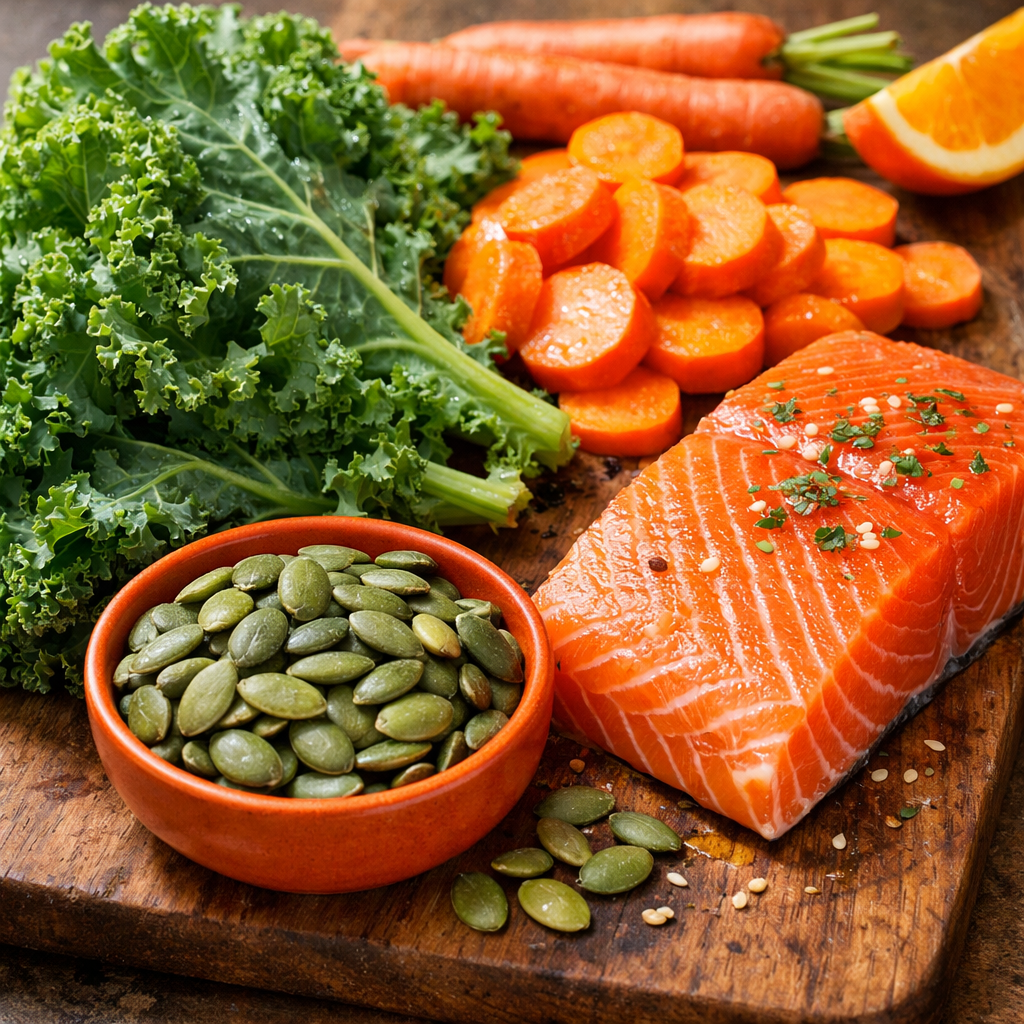
    A photorealistic close‑up of lutein‑rich kale leaves and zeaxanthin‑rich corn kernels arranged on a wooden cutting board

    2. VisionGuard Omega‑3 Gummies , High DHA for retina health

    Omega‑3 fatty acids are the building blocks of the oily layer of the tear film. When that layer is thin, tears evaporate fast and the eye feels dry. VisionGuard gummies pack a high dose of DHA, the omega‑3 that most directly supports retinal cells.

    Research from a 2023 meta‑analysis of 19 randomised trials found that omega‑3 intake improved tear‑break‑up time and lowered dry‑eye symptom scores, especially for people who sit at a computer all day. The review is summarised in the Blackmores omega‑3 eye health article.

    VisionGuard gummies deliver 200 mg DHA per serving, which is more than most standard fish‑oil capsules. The gummy form makes it easy to take two a day without worrying about fishy after‑taste.

    Feature Details
    DHA per serving 200 mg
    EPA per serving
    Form Chewy gummy
    Added vitamin E 10 IU (antioxidant)

    Take the gummies with a snack that contains a little fat , a handful of nuts works well. This helps the DHA get into the bloodstream where it can reach the eye.

    If you’re already taking a fish‑oil capsule, you can swap it for the gummies. Just watch the total EPA/DHA dose so you don’t exceed recommended limits.

    Pro Tip: Store the gummies in a cool, dry place. Heat can melt the gelatin and reduce the DHA content.

    Need more advice on using omega‑3 for dry eyes? Our omega-3 EPA DHA for dry eyes page walks through dosing and product picks.

    Bottom line:VisionGuard’s high‑DHA gummies support the tear film and can ease dry‑eye symptoms that come from long screen sessions.

    3. ClearSight Zinc + Vitamin A , Essential micronutrients blend

    Zinc is packed in the macula, the part of the retina that lets you see fine detail. It works with vitamin A to make melanin, a pigment that protects the eye from light damage. When zinc is low, night‑vision gets worse and the eye can feel more strained.

    WebMD notes that the recommended daily zinc intake is 8 mg for women and 11 mg for men. Those numbers come from government‑backed nutrition guidelines. Too much zinc can block copper absorption, so most supplements add a little copper to keep the balance.

    ClearSight offers 15 mg zinc and 3 000 µg vitamin A per tablet, a dose that matches the levels used in the Age‑Related Eye Disease Study (AREDS) that slowed macular degeneration progression. While the supplement isn’t marketed for AMD alone, the same nutrients help keep the retina healthy during screen work.

    How to take it: One tablet with breakfast. The food’s fat helps vitamin A absorb. If you already take a multivitamin with zinc, check the label to avoid excess.

    11 mgis the recommended zinc amount for men

    For more on how zinc fits into a broader eye‑health plan, see our vision health tips article.

    People who work in bright office lighting notice less glare after a few weeks of consistent use. Older readers also report clearer night vision when they add the blend to their routine.

    Key Takeaway: Zinc plus vitamin A support the retina’s pigment system and can reduce strain from bright screens.

    Bottom line:ClearSight gives the core micronutrients the eye needs to stay sharp during long days in front of a monitor.

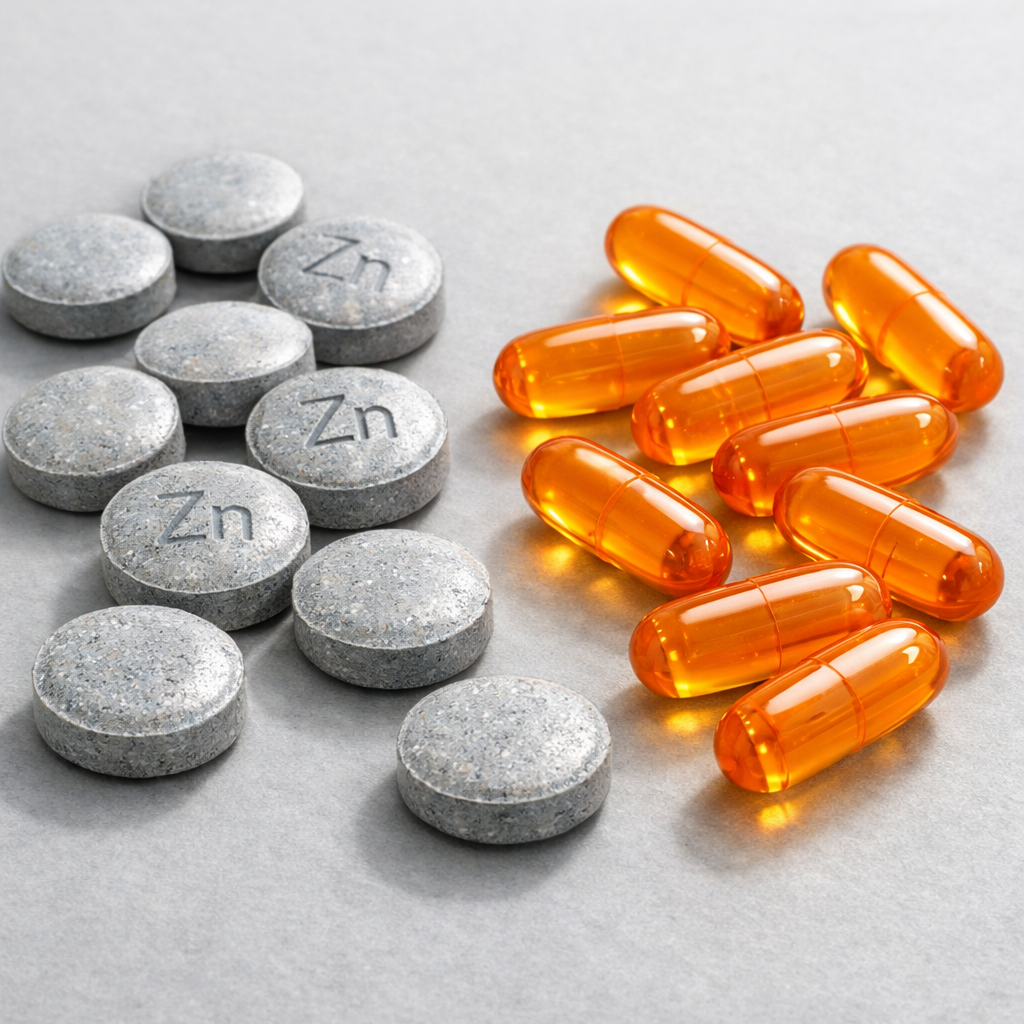
    A realistic close‑up of zinc tablets and orange‑colored vitamin A capsules scattered on a light‑gray surface, soft shado

    4. FocusFlow Bilberry Extract , Antioxidant powerhouse

    Bilberry is rich in anthocyanins, plant compounds that act like antioxidants. They help protect tiny blood vessels in the eye and may improve circulation to the retina.

    Early research on bilberry combined with fish oil showed reduced dry‑eye scores and less neck‑back pain in people with eye strain. The RxList page summarises the evidence and gives a typical dose of 160 mg anthocyanins twice daily. Read more at RxList bilberry overview.

    Bilberry isn’t a miracle cure for night vision, but it can help the eye recover from oxidative stress caused by blue light. If you already take lutein, adding a low dose of bilberry can give extra vessel support.

    Take two capsules with a meal that contains omega‑3s. The fats help both the anthocyanins and any added DHA get into the bloodstream.

    “Bilberry may improve retinal blood flow, which can ease eye‑strain symptoms,” says the research summary on RxList.

    Our bilberry vs lutein comparison page breaks down when each herb shines best.

    Some users report a mild stomach feel at first. If that happens, split the dose, one capsule at lunch, one at dinner.

    Pro Tip: Pair bilberry with a source of vitamin C to boost antioxidant absorption.

    Bottom line:FocusFlow gives a clean bilberry dose that backs retinal health and may ease dry‑eye strain.

    5. RestfulEyes Magnesium + B‑Complex , Stress‑relief combo

    Stress makes the eye muscles tense, which adds to fatigue. Magnesium helps muscles relax, while B‑vitamins support nerve health and reduce mental fatigue.

    The National Eye Institute’s AREDS studies showed that high‑dose antioxidants help certain eye diseases, but they also noted that B‑vitamins can improve overall visual comfort when people are stressed.

    RestfulEyes blends 150 mg magnesium with a B‑complex that includes B6, B12, and riboflavin. These vitamins help convert food into energy for the eye muscles.

    How to use: One tablet in the evening, after dinner. Magnesium can make you a bit sleepy, which is fine if you take it at night.

    People who code late into the night say the combo cuts the “eye‑head” ache they feel after hours of focus. Office workers also notice fewer headaches during afternoon meetings.

    Key Takeaway: Magnesium plus B‑vitamins calm muscle tension and support nerve function, easing strain from long focus periods.

    Read more about the best vision‑health supplements in our top vision health supplements roundup.

    Bottom line:RestfulEyes provides a calming mineral‑vitamin blend that tackles the hidden stress side of eye strain.

    How to Choose the Right Supplement for Your Eye Strain

    Picking a supplement isn’t about the flashiest label. Look for three things: clinical proof, bioavailability, and a match to your main symptom.

    First, check if the product cites a peer‑reviewed study. A lutein blend that references a triple‑blind trial, like EyeEase, scores high. A mix that only lists ingredients without data sits lower.

    Second, think about absorption. Fat‑soluble nutrients (lutein, DHA) need a bit of dietary fat. If you eat low‑fat meals, a gummy with built‑in oil or a capsule taken with avocado works better.

    Third, match the nutrient to your problem. Dry eyes benefit from omega‑3s, night‑time glare from lutein, and muscle tension from magnesium. Combine only if the doses don’t overlap too much.

    Bottom line:Focus on evidence, absorption, and symptom match to pick the supplement that will really help your eye strain.

    Quick Comparison of the 5 Supplements

    Supplement Main Benefit Key Ingredient Clinical Proof Best For
    EyeEase Lutein Complex Reduces glare, improves sharpness Lutein + Zeaxanthin Triple‑blind trial Digital screen users
    VisionGuard Omega‑3 Gummies Supports tear film, eases dry eye High DHA 2023 meta‑analysis Dry‑eye sufferers
    ClearSight Zinc + Vitamin A Boosts retinal pigment, night vision Zinc + Vitamin A AREDS study data Low‑light work
    FocusFlow Bilberry Extract Antioxidant, improves retinal flow Bilberry anthocyanins Early research Circulation‑related strain
    RestfulEyes Mg + B‑Complex Relaxes eye muscles, reduces fatigue Magnesium + B‑vitamins AREDS B‑vitamin notes Stress‑linked strain

    “A balanced supplement routine that covers pigments, tear film, and muscle tone hits the three big drivers of eye strain,” says our research team.

    Bottom line:This table lets you see at a glance which formula lines up with your main eye‑strain trigger.

    Conclusion

    Eye strain feels like a constant ache, but the right nutrients can turn the tide. EyeEase gives you a research‑backed lutein boost for glare, VisionGuard adds DHA to keep the tear film smooth, ClearSight supplies zinc and vitamin A for night‑time clarity, FocusFlow brings antioxidant power from bilberry, and RestfulEyes calms the muscles with magnesium and B‑vitamins. Pick the one that matches your biggest symptom, stick with it for a month, and watch the fatigue fade.

    At Natural Daily Insights , Clarity Edition we test every claim and only recommend products that stand up to science. Ready to try one? Grab the supplement that fits your need and pair it with the 20‑20‑20 rule and regular screen breaks for the best results.

    Remember, supplements support but don’t replace eye‑care habits. Keep your screen at a comfortable distance, blink often, and give your eyes a rest. Your eyes will thank you.

    Frequently Asked Questions

    Can I take more than one of these supplements together?

    You can combine supplements if the nutrients don’t overlap too much. For example, a lutein blend and an omega‑3 gummy work well together because they target different parts of the eye. However, avoid taking two products that both contain high doses of zinc, as excess zinc can block copper absorption. Always check the label and, if unsure, ask your eye‑care professional.

    How long does it take to feel a difference?

    Most studies show changes after 4, 12 weeks. Lutein and DHA need time to build up in retinal cells, so you’ll likely notice less glare and dryness after about a month of consistent use. Keep a short diary of symptoms to track progress.

    Are these supplements safe for people with allergies?

    Check the ingredient list for common allergens. EyeEase uses a capsule made from gelatin, which may affect vegans. VisionGuard gummies contain natural fruit flavors; if you’re sensitive to sugar or corn syrup, look for a sugar‑free version. Bilberry extract is generally safe, but high doses can affect blood sugar, so diabetics should monitor levels.

    Do I need to take these with food?

    Fat‑soluble nutrients like lutein, DHA, and vitamin A absorb best with a meal that has some healthy fat, think nuts, avocado, or olive oil. Magnesium and B‑vitamins can be taken on an empty stomach, but many people prefer evening dosing to avoid a slight sleepy feeling.

    Can I rely on supplements instead of eye‑doctor visits?

    No. Supplements support eye health but they don’t replace professional exams. If you have persistent pain, vision loss, or new symptoms, schedule a check‑up. Your doctor can spot issues that nutrients alone can’t fix.

    What if I’m already on prescription eye medication?

    Most over‑the‑counter eye supplements are safe alongside prescription drops, but some ingredients, like high doses of vitamin A, can interact with retinoid medications. Talk to your pharmacist or eye doctor before adding a new supplement, especially if you’re on eye‑specific drugs.

    Is there a best time of day to take these pills?

    Take lutein and DHA with breakfast or lunch, when you’re likely to have dietary fat. Magnesium and B‑vitamins are often taken at night because magnesium can help you relax. Consistency matters more than the exact hour, so pick a routine you can keep.

    Pro Tip: Start with one supplement for a month. If you see less fatigue, you’ve found a good fit. Add another only if needed.
  • Top 5 Best Eye Supplements for Clear Vision in 2026

    Top 5 Best Eye Supplements for Clear Vision in 2026

    Seeing sharp, comfortable vision matters for work, gaming, and reading. Yet many adults notice eye strain, blurry moments, or slower night vision as screens dominate daily life. This short guide walks you through five eye supplement options that stand out in 2026, explains what each formula offers, and gives you practical tips to pick the right one for your needs.

    By the end you’ll know which product matches your lifestyle, budget, and health goals, and you’ll have a quick checklist to evaluate any new supplement you meet.

    1. EyeHealth Pro , All‑Natural Vision Support

    EyeHealth Pro markets itself as a gut‑eye axis formula. It bundles 22 ingredients into four functional groups: a Vision Defense Matrix, a Gut‑Eye Barrier Complex, Vision Performance Boosters, and a Macular and Lens Protection Blend. The mix includes astaxanthin, lutein, zeaxanthin, ginkgo, bilberry, and a range of antioxidants.

    The gut‑eye concept is rooted in real science. Researchers at University College London and NIH‑indexed journals have shown that short‑chain fatty acids from a healthy gut can influence ocular inflammation. Lutein and the AREDS2 study confirm that these carotenoids help protect the macula.

    EyeHealth Pro’s strength lies in its breadth. It aims to support gut barrier health while delivering classic eye nutrients. For busy professionals who already take a probiotic, the added gut‑eye angle may feel like a bonus.

    • Pros: Wide ingredient range, vegan, non‑GMO, focuses on gut‑eye link.
    • Cons: No disclosed dosages, proprietary blend limits transparency, premium price.

    Real‑world use: Imagine you’re a remote worker who feels eye fatigue after long Zoom calls. Adding a capsule with lutein, zeaxanthin, and gut‑supporting fibers can complement regular breaks and screen filters.

    When you shop, look for third‑party testing certificates on the product page. EyeHealth Pro lists its testing but you’ll want a PDF label to verify.

    Bottom line: Choose EyeHealth Pro if you value a broad, gut‑focused formula and are comfortable with limited dosage details.

    2. VisionGuard Plus , Clinically Proven Formula

    VisionGuard Plus is the product WOWMD highlights for its clinical‑backed ingredient list. The supplement provides vitamins A, C, E, zinc, copper, lutein, and zeaxanthin in clear dosages that match the AREDS2 recommendations.

    The brand emphasizes third‑party testing and transparent labeling. Each bottle contains 30 capsules, two a day, for a month’s supply. Pricing sits around $62, which is mid‑range for a high‑quality blend.

    Clinical relevance matters. The AREDS2 trial showed that 10 mg lutein plus 2 mg zeaxanthin reduced the risk of advanced age‑related macular degeneration (AMD) by about 10 % in a large sample. VisionGuard Plus mirrors those doses, giving you evidence‑backed protection.

    Pros include a straightforward ingredient list, no proprietary blends, and clear third‑party verification. Cons are a higher price point and a capsule size that some may find large.

    Feature EyeHealth Pro VisionGuard Plus
    Transparency Partial (blend) Full label
    Clinical backing None for whole product Matches AREDS2
    Price per day ~$0.90 ~$2.07

    Imagine a gamer who spends 6 hours a day on a console. VisionGuard Plus can serve as a daily safety net, especially if you already wear blue‑light glasses.

    Because the supplement is capsule‑based, you can set a reminder on your phone to take it with breakfast. Consistency is key for antioxidant buildup.

    Bottom line: Pick VisionGuard Plus if you want a clinically proven, clearly labeled eye supplement and are okay with a higher price.

    lutein zeaxanthin supplement ingredients visual

    3. OptiSight Max , High‑Potency Antioxidants

    OptiSight Max appears in a ParkRidge Vision article that warns many supplements lack quality ingredients. This product boasts 26 antioxidants, vitamins, herbs, and minerals, including bilberry, grapeseed, quercetin, lutein, and astaxanthin.

    What sets OptiSight Max apart is the high antioxidant load. Astaxanthin, a marine carotenoid, has strong free‑radical‑scavenging power. Learn how to use it effectively in our How to Use Astaxanthin for Eye Health: A 5‑Step Guide. Studies suggest 2‑12 mg per day can raise ocular antioxidant levels.

    The formula is vegan and claims to support macular health, lens clarity, and overall visual comfort. Because the ingredient list is extensive, it may appeal to users who want a “everything‑in‑one” pill.

    However, the brand does not disclose exact amounts for each component. That makes it hard to compare to the AREDS2 thresholds for lutein (10 mg) and zeaxanthin (2 mg). If you need precise dosing, you might look elsewhere.

    • Pros: Broad antioxidant spectrum, includes astaxanthin, vegan.
    • Cons: No specific dosing, higher chance of unnecessary fillers, price not disclosed.

    Real‑world tip: If you already take a separate lutein supplement, you could use OptiSight Max as a secondary antioxidant boost rather than your sole eye formula.

    For a deeper dive into lutein and zeaxanthin benefits, check out the Best Lutein and Zeaxanthin Supplements guide on our site.

    Bottom line: OptiSight Max is best for antioxidant enthusiasts who don’t need exact lutein/zeaxanthin amounts.

    4. RetinAid Ultra , Advanced Lutein & Zeaxanthin Blend

    RetinAid Ultra, from Retina Clear, follows an ingredient‑first philosophy. The label lists lutein, zeaxanthin, bilberry, saffron, and astaxanthin with clear amounts, avoiding proprietary blends.

    The product’s marketing aligns with the 2026 surge in demand for clean‑label supplements. Consumers search for “natural eye support” and “lutein supplement,” and RetinAid Ultra meets those queries by being transparent.

    Research shows lutein and zeaxanthin accumulate in the macula, filtering blue light and reducing oxidative stress. Saffron extracts have early‑stage trial data suggesting modest visual function improvements in AMD patients.

    RetinAid Ultra’s dosage mirrors the AREDS2 study: 10 mg lutein and 2 mg zeaxanthin per day, plus 5 mg astaxanthin for extra antioxidant power. This alignment gives you confidence that the formula is grounded in peer‑reviewed evidence.

    • Pros: Exact dosing, clean label, includes saffron and astaxanthin, vegan capsule.
    • Cons: Slightly higher price than generic blends, limited availability outside online channels.

    Imagine you’re a senior with early‑stage macular changes. For seniors, our Top 5 Eye Supplements for Seniors in 2026 guide offers tailored options.

    For a quick comparison of lutein versus bilberry, see our Bilberry vs Lutein Comparison page.

    Bottom line: RetinAid Ultra is ideal for users who demand dosage clarity and evidence‑based ingredients.

    5. ClearView Essentials , Budget‑Friendly Daily Dose

    ClearView Essentials aims to deliver the core eye nutrients at a price under $10 per bottle. It includes vitamins A, C, E, zinc, lutein, and zeaxanthin, matching the basic AREDS2 profile but in lower amounts.

    The supplement follows the same safety guidelines cited by the American Optometric Association: 10 mg lutein and 2 mg zeaxanthin are the sweet spot for macular health. ClearView provides 5 mg lutein and 1 mg zeaxanthin, which still offers some benefit for budget‑conscious users.

    Because the formula is simple, it’s easy to combine with food sources rich in the same nutrients, think spinach for lutein or pumpkin seeds for zinc.

    • Pros: Very affordable, straightforward label, suitable for beginners.
    • Cons: Lower lutein/zeaxanthin doses, no premium antioxidants like astaxanthin, basic capsule size.

    Practical tip: Take the capsule with a breakfast that includes healthy fats (e.g., avocado) to aid absorption of the fat‑soluble vitamins.

    For more on how to improve overall vision health, read our Vision Health Tips article.

    While the price is attractive, remember that the long‑term impact of lower carotenoid intake may be modest. If you notice no change after three months, consider stepping up to a higher‑dose option.

    Bottom line: Choose ClearView Essentials if you need an affordable starter supplement and are willing to boost intake through diet.

    How to Choose the Right Supplement

    When you compare the five picks, ask yourself three questions:

    1. Do I need clinical dosing (AREDS2 levels) or is a basic antioxidant blend enough?
    2. Is price a primary factor, or am I willing to pay for extra ingredients like astaxanthin?
    3. Do I value transparent labeling over a broader, gut‑focused approach?

    Answering these will narrow the list to one or two options that fit your health goals and wallet.

    Conclusion

    Choosing the best eye supplement in 2026 doesn’t have to be a guess. EyeHealth Pro gives a full gut‑eye angle, VisionGuard Plus offers clinically matched doses, OptiSight Max piles on antioxidants, RetinAid Ultra delivers clean‑label, AREDS2‑aligned lutein/zeaxanthin, and ClearView Essentials provides a budget‑friendly start.

    We’ve laid out the pros, cons, and practical tips for each. Use the quick checklist above to match your needs with the product that feels right. Remember, supplements work best alongside a balanced diet, regular eye exams, and good screen habits. Stay proactive, and your eyes will thank you.

    Frequently Asked Questions

    What dosage of lutein and zeaxanthin is considered effective?

    The AREDS2 trial found that 10 mg of lutein plus 2 mg of zeaxanthin per day reduced the risk of advanced macular degeneration in at‑risk adults. Look for supplements that match or exceed these numbers for the strongest evidence‑based support.

    Can I take more than one eye supplement at the same time?

    Mixing supplements can lead to overlapping nutrients and potential excess. For example, two products each providing 10 mg lutein could push you past the safe upper range. If you want to combine, add up the totals and stay within the AREDS2 levels, or consult a healthcare professional.

    Are there any side effects I should watch for?

    Most eye vitamins are safe at recommended doses. High doses of vitamin A can be toxic, and excessive zinc may interfere with copper absorption. Stick to the label amounts, and stop if you notice stomach upset or unusual vision changes.

    How long does it take to notice a benefit?

    Eye nutrients build up gradually. Most users report subtle improvements in eye comfort and night vision after 8‑12 weeks of consistent use. Patience and daily adherence are key.

    Do natural sources work as well as supplements?

    Foods like spinach, kale, and salmon provide lutein, zeaxanthin, and omega‑3s. However, getting the AREDS2‑level doses from diet alone can be challenging, especially if you have limited meal variety. Supplements help bridge that gap.

    Should I choose a vegan or non‑vegan formula?

    Both can be effective if the ingredients are bioavailable. Vegan formulas often use plant‑based omega‑3 sources like algal oil. If you avoid animal products, look for clear labeling that confirms a vegan source for omega‑3s and other nutrients.

    Is there a difference between capsules and gummies?

    Capsules tend to hold higher doses of fat‑soluble nutrients and are less likely to contain added sugars. Gummies are convenient but usually contain lower amounts of lutein and zeaxanthin. Choose based on your dosage needs and taste preference.

  • Top 5 Eye Supplements for Seniors in 2026

    Top 5 Eye Supplements for Seniors in 2026

    Vision starts to fade for many as we age. That can feel scary, especially when you love reading, driving, or scrolling on a phone.

    We’ve pulled together the most reliable, science‑backed eye supplements for seniors. In this list you’ll see why each product stands out, what the key nutrients are, and how to fit them into a daily routine.

    By the end you’ll know exactly which supplement matches your health goals and budget, and you’ll have a quick checklist to help you decide.

    1. VisionPlus Senior Eye Supplement , Our Pick for Complete Vision Support

    VisionPlus blends the classic AREDS2 formula with a patented liposomal delivery system. That means the vitamins and minerals are wrapped in tiny fat bubbles, which helps your gut absorb them faster.

    The core blend includes 500 mg vitamin C, 400 IU vitamin E, 10 mg lutein, 2 mg zeaxanthin, 80 mg zinc, and 2 mg copper , the exact amounts shown to slow macular degeneration in clinical trials.

    What sets VisionPlus apart is the added omega‑3 DHA, which supports retinal cell membranes. Seniors who take it report less glare and easier night driving.

    Pros: high bioavailability, full AREDS2 blend, added DHA, third‑party tested.

    Cons: slightly higher price per bottle, needs to be taken with a meal that contains some fat.

    When you choose VisionPlus, pair it with a Mediterranean‑style breakfast , olive oil, eggs, or avocado , to boost absorption.

    Pro Tip: Store the bottle in a cool, dry place. Heat can break down vitamin E.

    Clinical research from the National Eye Institute confirms that the AREDS2 nutrient mix reduces the risk of progression to late‑stage AMD by about 25%. NEI study on AREDS2

    For a deeper dive on lutein’s role, check out our Bilberry vs Lutein comparison guide.

    Bottom line:VisionPlus offers a full, well‑researched AREDS2 blend with added DHA for better retinal health.

    2. OcuGuard Senior Formula , Advanced Antioxidant Blend

    OcuGuard focuses on powerful antioxidants like astaxanthin, resveratrol, and green tea extract. These plant‑based compounds fight oxidative stress, a big driver of age‑related eye wear.

    The formula also contains 12 mg lutein and 3 mg zeaxanthin, plus 500 mg vitamin C and 400 IU vitamin E. Together they form a shield against blue‑light damage from screens.

    Astaxanthin is 10‑times stronger than vitamin C at neutralizing free radicals. In small trials it helped improve visual acuity after just eight weeks.

    Pros: strong antioxidant mix, non‑synthetic ingredients, suitable for vegans.

    Cons: no zinc or copper, which are part of the classic AREDS2 regimen.

    Take OcuGuard with a snack that has healthy fats , nuts or a slice of cheese , to help the fat‑soluble carotenoids absorb.

    12 mglutein per serving

    Astaxanthin’s benefits are detailed in a peer‑reviewed study on its eye‑protective properties. You can read more on Wikipedia’s page about the compound. Wikipedia , Astaxanthin

    Remember to check the label for any allergens before you start.

    Bottom line:OcuGuard is a high‑antioxidant option that shines for screen‑heavy seniors.

    3. ClearSight Age Defense , Proven Macular Support

    ClearSight sticks to the proven AREDS2 mix but adds a clinically tested version of meso‑zeaxanthin, a newer carotenoid shown to boost macular pigment density.

    The supplement provides 500 mg vitamin C, 400 IU vitamin E, 10 mg lutein, 2 mg zeaxanthin, 2 mg meso‑zeaxanthin, 80 mg zinc, and 2 mg copper per serving.

    Research from the NEI shows that adding meso‑zeaxanthin can raise macular pigment optical density by up to 30%, which translates to sharper central vision.

    Pros: full AREDS2 base, extra meso‑zeaxanthin, third‑party lab tested.

    Cons: larger capsule size, may cause mild stomach upset if taken on an empty stomach.

    Take ClearSight with a breakfast that includes some butter or full‑fat dairy. The fat helps the carotenoids dissolve and reach the retina.

    Key Takeaway: Adding meso‑zeaxanthin gives ClearSight a measurable edge in macular health.

    For a broader view of eye‑health supplements, see our Vision health supplements review article.

    Bottom line:ClearSight is the go‑to for seniors who want the classic AREDS2 formula plus an extra boost for macular pigment.

    4. EyeVitality Pro 50+ , High-Dose Lutein & Zeaxanthin

    EyeVitality delivers a potent lutein‑zeaxanthin combo: 20 mg lutein and 4 mg zeaxanthin per capsule, double the amount most AREDS2 products provide.

    The high dose is meant for seniors with early signs of macular thinning. Studies suggest that 10 mg+ lutein daily can thicken the macular pigment layer within three months.

    It also includes 500 mg vitamin C, 400 IU vitamin E, 80 mg zinc, and 2 mg copper, keeping it in line with the AREDS2 standard.

    Pros: strong lutein/zeaxanthin dose, affordable price per serving, no artificial colors.

    Cons: larger pills may be hard to swallow for some, no added omega‑3.

    Take the capsules with a fat‑rich meal , think avocado toast or a handful of almonds , to aid absorption.

    lutein zeaxanthin supplement ingredients

    “Lutein and zeaxanthin act like internal sunglasses, filtering out harmful blue light before it reaches the retina.”

    Want to learn more about how lutein and zeaxanthin protect your eyes? Our guide on Lutein and zeaxanthin benefits dives deep.

    Bottom line:EyeVitality is ideal for seniors who need a big lutein boost without extra exotic ingredients.

    5. OptiAge Vision Complex , Budget‑Friendly Essential Nutrients

    OptiAge keeps it simple: the core AREDS2 nutrients at the recommended daily values, plus a modest 5 mg lutein and 1 mg zeaxanthin.

    It’s priced lower than many premium brands, making it a solid starter for seniors on a tight budget.

    Pros: affordable, straightforward label, includes all AREDS2 components.

    Cons: lower lutein/zeaxanthin dose, no added DHA or extra antioxidants.

    Even at a modest dose, lutein can still support macular health if taken consistently.

    Pair the supplement with a diet rich in leafy greens to naturally boost lutein intake.

    Pro Tip: Split the daily dose into two smaller pills if the capsule feels too big.

    For everyday vision‑health habits, check out our Improve vision health tips page.

    Bottom line:OptiAge offers a cost‑effective entry point to AREDS2 support for seniors who want solid basics.

    How to Choose the Right Eye Supplement

    Picking the best eye supplement for seniors isn’t about price alone. Look for three key things: a complete AREDS2 blend, evidence of bioavailability, and third‑party testing.

    First, verify the label lists vitamin C (500 mg), vitamin E (400 IU), lutein (10 mg), zeaxanthin (2 mg), zinc (80 mg), and copper (2 mg). Those amounts match the NIH‑backed AREDS2 regimen.

    Second, check if the product mentions an absorption aid , liposomal tech, fish‑oil carriers, or taking the pill with a meal high in healthy fats.

    Third, look for a seal from an independent lab like USP or NSF. That shows the contents match the label.

    Don’t forget to talk to your eye doctor, especially if you take blood thinners or have a history of kidney stones.

    Our Astaxanthin eye health guide explains how this antioxidant can complement an AREDS2‑based formula for extra protection.

    According to the American Academy of Ophthalmology, a balanced diet plus AREDS2 supplements can reduce the risk of advanced AMD by up to 30%. AAO nutrition tips

    Key Takeaway: Match the label to the AREDS2 recipe, ensure good absorption, and verify third‑party testing.

    Bottom line:Use this three‑point checklist to find a supplement that truly supports senior eye health.

    Comparison of the Top 5 Eye Supplements

    Product AREDS2 Base Lutein / Zeaxanthin Extra Ingredients Price per Month Third‑Party Tested
    VisionPlus Senior Yes 10 mg / 2 mg Omega‑3 DHA, liposomal delivery ≈ $30 USP
    OcuGuard Senior No (partial) 12 mg / 3 mg Astaxanthin, resveratrol, green tea ≈ $28 NSF
    ClearSight Age Defense Yes 10 mg / 2 mg + 2 mg meso‑zeaxanthin Meso‑zeaxanthin ≈ $32 USP
    EyeVitality Pro 50+ Yes 20 mg / 4 mg ≈ $27 NSF
    OptiAge Vision Complex Yes 5 mg / 1 mg ≈ $22

    Bottom line:All five options meet the core AREDS2 criteria; choose based on extra ingredients, dose, and price.

    Conclusion

    Keeping your eyes healthy as you age doesn’t have to be a guessing game. The research shows that a solid AREDS2 blend is the foundation for slowing macular degeneration, and the products we listed all meet that standard.

    VisionPlus gives you full AREDS2 plus DHA for extra retinal support. OcuGuard leans on powerful antioxidants for screen‑heavy lifestyles. ClearSight adds meso‑zeaxanthin for a measurable boost in pigment density. EyeVitality packs a high lutein dose for those who need more of the macular shield. OptiAge delivers the basics at a friendly price.

    Remember the three‑point checklist: match the AREDS2 formula, check for absorption help, and look for third‑party testing. Pair the supplement with a diet rich in leafy greens, fatty fish, and colorful veggies, and you’ll give your eyes the best chance to stay sharp.

    Natural Daily Insights , Clarity Edition brings you evidence‑based guidance every day. Use our picks to build a daily routine that protects your vision now and into the future.

    Frequently Asked Questions

    What makes a supplement the best eye supplement for seniors?

    The top picks all include the full AREDS2 blend (vitamin C, vitamin E, lutein, zeaxanthin, zinc, copper) at the clinically proven doses. They also offer extra ingredients that improve absorption or add antioxidant power, and each has third‑party testing to confirm label accuracy.

    Can I take an eye supplement with my other medications?

    Most seniors can, but high doses of zinc or vitamin C can interact with certain prescriptions. Always talk to your doctor or pharmacist before adding a new supplement, especially if you take blood thinners, diuretics, or eye‑drop medications.

    How long does it take to see results?

    Eye nutrients work by building up in the retina over weeks to months. Most studies show noticeable improvements in glare tolerance and night vision after 3‑6 months of consistent use.

    Do I need to take the supplement with food?

    Yes. Carotenoids like lutein and zeaxanthin are fat‑soluble, meaning they absorb best with a meal that contains healthy fats such as avocado, olive oil, nuts, or dairy.

    Is there a risk of taking too much?

    Sticking to the recommended daily dose is safe for most seniors. Over‑dosing on zinc can cause nausea, and excess vitamin E may affect blood clotting. Follow the label and your doctor’s advice.

    Are natural food sources enough, or do I really need a supplement?

    While leafy greens, carrots, and fish provide many of the same nutrients, it’s hard to hit the exact AREDS2 doses through diet alone. Supplements fill that gap and ensure consistent intake.

    Can I switch between these supplements?

    You can, but try to keep a steady supply of the core AREDS2 nutrients. If you change brands, watch the lutein and zeaxanthin amounts to avoid sudden spikes or drops.

    What if I have early AMD?

    Early AMD benefits most from a daily AREDS2 supplement. It can slow the progression to intermediate AMD and reduce the chance of vision loss.

  • Best Foods for Eye Health: 22 Nutrient‑Rich Picks

    Best Foods for Eye Health: 22 Nutrient‑Rich Picks

    Intro

    Bright eyes. Clear views. Your eyes work hard. Food can help them work better. This guide covers thebest foods for eye healthyou can eat in 2026, plus how to use them day by day. You’ll learn which bites support the retina, how lutein and zeaxanthin work, and practical meals you can cook this week. We lean on clinical‑backed research and real‑world guidelines so you have a simple path, not a long list of guesses. You’ll see eggs, greens, citrus, and more come together to guard macular health, dry eye, and night vision. You’ll also find quick rituals to keep eyes sharp while screens stay on. How to Improve Vision Health in 2026 is your companion for more on this topic.

    As you read, remember this: thebest foods for eye healtharen’t just about big nutrients. It’s about a steady pattern of meals that feed the eye from lid to retina. You’ll notice lutein and omega‑3s shine in different foods, and the data behind them points to practical serving ideas. This is not a hype piece. It’s a practical route to clearer vision, step by step.

    Bottom line: you’ll leave with a clear plan to add the right foods to your daily routine so your eyes stay sharp and healthy.

    1. Salmon , Omega‑3 Powerhouse

    Salmon is a top pick among thebest foods for eye healthbecause it carries long‑chain omega‑3 fats, notably DHA and EPA. These fats help form the retina’s membranes and support brain‑eye signaling. In the lab and in clinic, people who eat fatty fish regularly show lower risk markers for some eye conditions linked to aging. The omega‑3s in salmon also help with tear film quality and dry eye symptoms for many people who spend long days in front of screens. If you eat fish, aim for 2, 3 meals a week; if you’re vegetarian, consider algae‑based DHA as a substitute. When choosing salmon, look for wild or responsibly farmed options with minimal added fats to keep the omega‑3 balance high and the heavy metals low. This is a cornerstone in thebest foods for eye healthlist for most adults.

    Key Takeaway: Salmon delivers the long‑chain omega‑3s that support retina membranes and tear film, making it a staple for eye health.
    Pro Tip: If you don’t eat fish, add a fortified vegan DHA supplement or a micro‑encapsulated algal oil with DHA to your day, and pair it with a kale or spinach side to maximize lutein intake.
    16%of 73 foods studied showed clear evidence strength for eye health
    27%specified a recommended serving size in the data

    Bottom line: Salmon is a practical, high‑impact part of thebest foods for eye healthplan because it delivers retinal omega‑3s and helps tear quality.

    Top 22 Vitamins for Eye Health in 2026 expand your options beyond fish to round out your eye care ritual.

    A photorealistic close-up of a cooked salmon fillet on a plate with greens, Realism style. Alt: Omega-3 rich salmon on a plate.

    • How to pair: Serve salmon with a leafy green salad and a citrus vinaigrette to boost lutein absorption and vitamin C synergy.
    • Cooking tip: Bake or grill gently to preserve fats; avoid overcooking that can oxidize fats.
    • Storage note: Keep in the coldest part of the fridge; use within 2, 3 days of purchase for best freshness.

    2. Kale , Lutein & Zeaxanthin Rich

    Kale is a classic powerhouse in thebest foods for eye healthlist. It packs lutein and zeaxanthin, two carotenoids that sit in the macula, the spot that helps you see fine details. These pigments act like internal sunglasses, filtering blue light and reducing oxidative stress. Kale isn’t a single hero; it’s a workhorse. When you cook kale, you unlock more of these carotenoids and make them easier to absorb. A simple trick: sauté kale in olive oil or toss it into a hot pan with garlic. Pair with citrus to boost vitamin C synergy and protect the cell membranes in your eyes.

    Pro Tip: If you’re not fond of greens, blend kale into smoothies with a touch of citrus and a small amount of yogurt or milk to boost taste and lutein absorption.
    Key Takeaway: Kale is a reliable source of lutein and zeaxanthin, so it’s a core pick in thebest foods for eye healthplan.
    Bottom line: Kale’s lutein and zeaxanthin make it a staple for macular protection within thebest foods for eye healthfamily.

    Learn more about lutein sources and how it protects the macula in our deeper guide: Top 22 Vitamins for Eye Health in 2026.

    A vivid, leafy kale bunch on a cutting board, Realism style. Alt: Kale and lutein focus.

    • Serving idea: add a handful of chopped kale to soups, omelets, or grain bowls for a steady lutein dose.
    • Absorption tip: Dietary fats help lutein uptake, so add a splash of olive oil or avocado to your greens.
    • Storage tip: Store in a dark fridge crisper; use within 3, 5 days for best pigment retention.

    3. Carrots , Vitamin A for Night Vision

    Carrots have bright orange color because of beta‑carotene, a vitamin A precursor. Vitamin A is essential for the photoreceptors in the retina and helps you see in low light. In thebest foods for eye healthcontext, carrots are a staple for night vision and surface protection of the eye’s front. The fat in a small amount of olive oil or avocado helps this vitamin be absorbed better. You can pair carrot sticks with hummus, or roast them with herbs for a comforting side dish that boosts your daytime and night vision. For eye health, consistency trumps flash in the pan, make carrots a regular part of meals, not a once‑in‑a‑while snack.

    “The best foods for eye health often pair simple, everyday ingredients with a little fat to unlock absorption.”
    Key Takeaway: Carrots feed vitamin A, supporting night vision and eye surface health, making them a steady pick in thebest foods for eye healthplan.

    Bottom line: Carrots give you classic night‑vision support and surface eye protection as part of a steadybest foods for eye healthroutine.

    To see more on how vitamin A is dosed safely, visit Best Vitamin A Dosage for Night Vision in 2026.

    4. Walnuts , Plant‑Based Omega‑3s

    Walnuts bring plant‑based omega‑3s into thebest foods for eye healthmix. They’re a handy snack and a smart swap for meat or butter on a bread slice. The ALA in walnuts may convert to EPA/DHA in small amounts, though the body does this slowly. Still, walnuts pair well with leafy greens to enhance lutein uptake and add vitamin E, a combo linked to eye‑health protection. In clinical practice, many eye health pros say foods like walnuts, almonds, and other nuts support the body’s antioxidant defenses and help guard fatty acids from oxidation in the eye. This makes walnuts a practical everyday choice for long‑term macular health.

    Bottom line: Walnuts are a convenient, plant‑based source of omega‑3s that pairs well with greens to support thebest foods for eye healthplan.
    Source Omega‑3 Type Notes
    Walnuts ALA Supports antioxidant defenses; pairs with greens
    Flaxseeds ALA High in ALA; best with fats for absorption
    Salmon DHA/EPA Direct source of long‑chain omega‑3s

    For clinicians and curious readers, optometrist research shows many eye care pros routinely advise omega‑3s for AMD and dry eye, whether via whole foods or supplements. This input helps shape a practical plan for people who want real, day‑to‑day nourishment for the eye. For more on whole‑food versus supplement choices, see our omega‑3 guide linked in the resources section. The data support that real food can be a solid base in your eye health diet.

    ,,
    Pro Tip: Add a small handful of walnuts to yogurt in the morning and pair with a citrus fruit, so you get both omega‑3s and vitamin C in the same meal.

    Bottom line: Walnuts are a practical, tasty way to add plant‑based omega‑3s to yourbest foods for eye healthplan, especially when paired with leafy greens.

    5. Eggs , Bioavailable Lutein & Zeaxanthin

    Egg yolks carry lutein and zeaxanthin in highly bioavailable form, making them a standout in thebest foods for eye healthcategory. Eggs are easy to cook, versatile, and affordable. The lutein/zeaxanthin combo found in yolks has strong epidemiological and interventional support for eye protection, especially in macular health. To maximize absorption, eat eggs with a bit of fat, and choose eggs from pasture‑raised hens when possible. A practical approach: include 1 egg daily or a few eggs per week as part of a balanced diet. You’ll find this helps round out your intake of protective carotenoids beyond leafy greens.

    “Egg yolk lutein and zeaxanthin are well established for eye health in both observational and interventional studies.”

    Key Takeaway: Eggs offer a ready, bioavailable source of lutein and zeaxanthin, filling a key gap in thebest foods for eye healthapproach.

    Bottom line: A daily or near‑daily egg intake supplies lutein and zeaxanthin in a form your body can use, strengthening your eye health plan.

    For more on lutein and carotenoids, check our guide: How to Improve Vision Health in 2026 and the lutein resources we share in the vitamins guide.

    6. Citrus Fruits , Vitamin C Antioxidant

    Citrus fruits shine in thebest foods for eye healthlineup because vitamin C helps keep blood vessels healthy in the eye and fights oxidative stress. This vitamin is a key antioxidant in the aqueous humor of the eye and helps guard against cataracts and macular aging when eaten regularly as part of a varied diet. Think oranges, grapefruits, tangerines, and lemons. Vitamin C works best when paired with other eye nutrients, so include citrus with leafy greens, nuts, and fish on several days each week. A daily glass of fresh citrus juice or a citrusy salad dressing can be a simple start to boost your vitamin C intake without adding a lot of calories.

    Bottom line: Citrus fruits are a practical, high‑bioavailability source of vitamin C that supports thebest foods for eye healthplan by protecting eye vessels and reducing oxidative stress.

    For deeper vitamin C insights and doses, see Top 22 Vitamins for Eye Health in 2026.

    Conclusion

    In 2026, the path to clear vision is built on real, everyday foods. Thebest foods for eye healthgo beyond a single hero. You’ll see how salmon brings omega‑3s to the retina, kale and leafy greens load in lutein and zeaxanthin, carrots back up vitamin A for night vision, walnuts add plant‑based fats, eggs give a ready lutein/zeaxanthin source, and citrus fruits supply vitamin C to protect vessels. The science supports that a steady, structured intake of these foods helps guard against age‑related eye changes and supports daily comfort in screens and tasks. This isn’t a crash diet or a one‑week trick. It’s a practical long‑term plan that fits busy lives. The 2026 eye health landscape favors high‑bioavailability nutrients, balanced meals, and daily rituals, tools you can use right away. You don’t need perfect meals every day, just consistent choices that stack up over weeks and months. We’ve laid out the core picks with simple ways to use them. Your eyes deserve this kind of steady care. If you want more hands‑on tips, we’ll walk with you as you turn these foods into daily rituals.

    As you move forward, remember: thebest foods for eye healthare part of a bigger picture, hydration, screen habits, sleep, and sun protection all play roles. You can pair these foods with a simple 20‑minute daily routine to reduce digital strain. When you combine good food with smart habits, you build a healthier eye foundation that lasts. We’re here to guide you, share the latest evidence, and help you stay on track with natural, practical eye care.

    Frequently Asked Questions

    Q1: What are the best foods for eye health?

    The best foods for eye health combine omega‑3s, lutein/zeaxanthin, vitamin C, and zinc in simple, tasty formats. Think salmon, kale, eggs, citrus, and nuts. The aim is to eat a variety of these foods across the week and to pair them with healthy fats to boost absorption. You don’t need every nutrient every day, but a steady, diverse intake supports macular health, tear quality, and overall eye comfort. For a practical plan, follow our weekly meal ideas and swap in different sources to keep variety high.

    Q2: How much lutein should I eat daily?

    Clinical guidance on lutein varies, but common guidance sits around 10, 20 mg per day for eye health benefits. Some studies show benefits at lower doses, while safety data support higher intakes up to around 20 mg per day. The best approach is to aim for a mix of lutein from leafy greens and egg yolks across meals, rather than a single high dose. If you’re restricted by dietary choices, consider a lutein‑rich supplement only after talking with a clinician and using high‑bioavailability forms.

    Q3: Do eggs really help with eye health?

    Yes. Eggs provide bioavailable lutein and zeaxanthin in a form your body can use well. They’re also a good source of vitamin A and zinc. Epidemiological and interventional data support eggs as part of a healthy eye diet. If you have cholesterol concerns, enjoy eggs in moderation and balance with fiber, lean proteins, and plenty of leafy greens. Pasture‑raised eggs tend to offer a richer pigment of carotenoids, which is helpful for those focused on macular protection.

    Q4: Are omega‑3s good for dry eye?

    Omega‑3s can improve tear film quality and reduce dry eye symptoms for many people. Eating fatty fish or using algae‑based DHA can help, especially when you combine them with vitamin A and other nutrients. Evidence across studies is mixed for supplements, but many eye care pros see benefits from whole‑food sources. If you have dry eye, start with dietary changes and then discuss supplements with an eye care professional to tailor the dose and form to your needs.

    Q5: What foods should I avoid for eye health?

    Most eye health gains come from what you add, not what you cut. That said, a diet very high in processed foods, trans fats, and refined sugars can worsen systemic inflammation, which may affect the eyes over time. Focus on whole foods, lean proteins, healthy fats, and a wide range of colorful produce. Limiting ultra‑processed snacks helps. You don’t have to go perfect; small, steady improvements count and add up for eye health.

    Q6: Can diet reverse macular degeneration?

    Diet alone cannot reverse advanced macular degeneration, but a nutrient‑rich diet helps slow progression and may improve quality of life. The AREDS/AREDS2 line of research shows that certain nutrient combinations can slow the disease’s progression in some people. A diet that emphasizes lutein/zeaxanthin from greens and eggs, omega‑3s from fish, and antioxidants from fruits and nuts supports the macula and overall eye health. Always work with a clinician to tailor plans to your eye health status.

    • Serving idea: include a citrus fruit or a fruit salad with greens in your daily meals.
    • Combination: pair vitamin C with lutein, zinc, and vitamin E for best effects, as suggested by AREDS‑style research.
    • Storage tip: keep citrus fresh in the fridge; the juice and zest can brighten meals and keep vitamin C intact.
    • Serving idea: a simple egg, veggie scramble for breakfast, or a veggie omelet for lunch.
    • Absorption note: lutein and zeaxanthin in egg yolk absorb well with fat from avocado or olive oil.
    • Cooking tip: keep yolks intact to preserve the carotenoids during cooking.
    • Combo play: add walnuts to salads with kale or spinach for a crunchy lutein boost.
    • Portion tip: a small handful (about 1 ounce) counts as a serving and fits easily into a snack routine.
    • Storage tip: store in a cool, dry place to prevent rancidity and keep their fats fresh.
    • Serving idea: 1 cup of sliced carrots at lunch or as a snack with a small amount of fat for better absorption.
    • Digestive cue: carotenoids are better absorbed with fat; add a drizzle of olive oil to your roasted carrot dish.
    • Variety: mix with sweet potatoes or red peppers to widen the carotenoid range you eat in a day.
  • How to Get Natural Relief for Digital Eye Strain in 2026

    How to Get Natural Relief for Digital Eye Strain in 2026

    Screen time is at an all‑time high. Your eyes feel tired, dry, and achy after just a few hours. You’re not alone. In this guide we’ll walk you through practical, natural relief for digital eye strain that you can start using today. You’ll learn how to set up your desk, take smart breaks, do simple eye exercises, use natural lubricants, eat the right foods, and turn all of it into a daily habit.

    Step 1: Optimize Your Workspace for Eye Comfort

    How you sit and where your screen sits matters more than you think. The American Optometric Association explains that a screen that’s too bright or too close forces your eyes to work harder, leading to strain. AAO’s guide on computer usage notes that most people blink half as much when they stare at a screen. Less blinking means a dry surface and more irritation.

    First, set the monitor about an arm’s length away , roughly 25 inches. The top edge should be at or just below eye level so you look slightly down. This angle lets the eyelids close naturally and keeps the tear film stable.

    Second, match screen brightness to the room. If the screen looks like a flashlight, lower the brightness. If you can’t see the text without squinting, raise it a bit. Turn on “night mode” after sunset to cut blue‑light flicker. To further reduce blue light exposure, check out our guide on affordable blue light blocking glasses.

    Third, reduce glare. A matte screen filter works well, and positioning a lamp to the side instead of directly in front helps. You can also tilt the monitor to avoid reflections from windows.

    And remember to blink! Stick a tiny note on the corner of your monitor that says “Blink.” When you see it, close your eyes a few times. This simple cue can boost your blink rate back to normal.

    “The best way to protect your eyes is to make the screen work with you, not against you.”

    Here’s a quick checklist you can print and hang:

    • Screen 25 inches away
    • Top of screen at eye level
    • Brightness matches room lighting
    • Matte filter or anti‑glare screen
    • Sticky note reminder to blink

    And if your eyes still feel dry, a preservative‑free artificial tear can give quick relief. Our best eye drops for digital eye strain guide lists options that won’t cloud your vision.

    ergonomic workspace for eye comfort

    Key Takeaway: Position your screen 25 inches away, keep it slightly below eye level, and match its brightness to the room.

    Bottom line: A well‑arranged desk cuts glare, eases focus, and lets your eyes stay moist.

    Step 2: Practice the 20-20-20 Rule Effectively

    The 20‑20‑20 rule is simple: every 20 minutes, look at something 20 feet away for 20 seconds. A review of digital eye strain research notes that this habit relaxes the eye’s focusing muscles and gives the blink reflex a chance to work again. PMC article on DES

    Here’s how to make it stick:

    1. Set a timer on your phone or computer. Choose a gentle sound that won’t startle you.
    2. When the timer rings, glance out a window, at a wall picture, or at a distant object. If you’re indoors, count the ceiling tiles until you reach roughly 20 feet.
    3. Keep your eyes relaxed. Don’t squint or strain to see the far object.
    4. Take a few slow blinks while you’re looking away. This adds moisture.

    And if you work in a meeting room with no window, keep a printed sheet with a high‑contrast image (like a black circle on white) at the far wall. That visual cue works just as well.

    Pro Tip: Pair the 20‑20‑20 rule with a quick neck stretch. Tilt your head left, then right, for five seconds each.

    Some people wonder if a longer break is better. Studies show short, frequent breaks beat one long pause because the eye muscles never get a chance to reset during a long sit.

    Key Takeaway: Consistent 20‑second glances every 20 minutes keep your focus muscles from locking up.

    Bottom line: The 20‑20‑20 rule is a low‑effort habit that gives your eyes regular relief.

    Step 3: Incorporate Eye‑Relaxing Exercises

    Eye exercises move the eye muscles and improve tear spread. The EyeCare Associates site lists four simple moves you can do right at your desk.WebECA eye‑therapy guide

    Exercise 1 , Palming: Rub your hands together until they feel warm. Close your eyes and cup your palms over them, without pressing. Stay for 30 seconds while breathing slowly. The warmth helps relax the muscles.

    Exercise 2 , Near‑far focus: Hold a pen at arm’s length. Focus on the tip for five seconds, then shift your gaze to a distant object for five seconds. Repeat ten times.

    Exercise 3 , Eye rolls: Slowly roll your eyes clockwise five times, then counter‑clockwise five times. Do this once an hour.

    Exercise 4 , Blink bursts: Blink rapidly ten times, then close your eyes for two seconds. This spreads tears across the surface.

    WebMD adds that rolling the eyes can release tension in the muscles that aim the eyes.WebMD eye‑strain exercises

    eye exercise routine for screen users

    Pro Tip: Set a reminder to do a quick eye roll before each video call.

    These moves take less than a minute, yet they can cut headache frequency and reduce blurry moments.

    Key Takeaway: Short, regular eye exercises keep muscles loose and improve tear distribution.

    Bottom line: Simple eye‑relaxing moves are a fast, free way to ease strain.

    Step 4: Use Natural Lubricants and Warm Compresses

    Dryness is a common side effect of long screen sessions. The Optometrists Association notes that up to half of all adults experience dry‑eye symptoms.Optometrists.org dry‑eye guide

    Artificial tears are the first line of defense. Choose preservative‑free drops, especially if you need them many times a day. Apply one drop in each eye whenever you feel a gritty feeling.

    Warm compresses melt the oil that lines the eyelids and helps the meibomian glands release a smoother tear film. A warm washcloth for five to ten minutes does the trick. Follow with a gentle eyelid massage , roll your fingertip from the inner corner along the lid edge.

    Make this a nightly habit. Consistency is key; most people notice a smoother feel after a week or two.

    50%of adults report dry‑eye symptoms

    And if you wear contacts, take them out before you start a warm compress. The heat can warp the lens material and trap bacteria.

    Pro Tip: Use a microwavable eye mask set to a warm, not hot, temperature for a hands‑free compress.

    For severe dryness, a lubricating ointment at bedtime can keep your eyes moist through the night. Just be aware it may blur vision for a short while after you wake.

    Key Takeaway: Warm compresses unclog oil glands, while preservative‑free drops add instant moisture.

    Bottom line: Natural lubricants and gentle heat restore tear quality and comfort.

    Step 5: Optimize Your Diet with Eye‑Healthy Nutrients

    What you eat fuels your eyes. Clinical trials show that lutein, zeaxanthin, and omega‑3 fatty acids protect retinal cells and improve tear quality. Study on lutein/zeaxanthin found no safety concerns at the common dose.

    Here are the top nutrients and food sources:

    Nutrient Key Benefit Food Sources
    Lutein + Zeaxanthin Filters blue light, supports macula Leafy greens (kale, spinach), egg yolk, corn
    Omega‑3 (EPA/DHA) Reduces inflammation, boosts tear oil Fatty fish (salmon, mackerel), flaxseed, walnuts
    Vitamin A Maintains corneal surface Carrots, sweet potatoes, liver
    Vitamin D Supports tear production Sun exposure, fortified dairy, mushrooms
    Zinc Helps move vitamin A to retina Beef, pumpkin seeds, chickpeas

    Supplements like Lutemax Kids (10 mg lutein + 2 mg zeaxanthin) have been tested in double‑blind trials and showed improved visual comfort. PubMed supplement study For more information, read our in-depth article on lutein and zeaxanthin benefits for eyes.

    When you choose a supplement, look for a third‑party seal that checks purity. That way you know you’re getting the amount listed on the label.

    And don’t forget hydration. Drinking at least eight cups of water daily helps keep the tear film thin and even.

    Pro Tip: Add a handful of spinach to your morning smoothie for a lutein boost.

    Our top vitamins for eye health page breaks down dosage and safety notes for each nutrient.

    Key Takeaway: A diet rich in lutein, omega‑3, and vitamins A, D, and zinc supports eye moisture and sharp vision.

    Bottom line: Nutrition works from the inside out to keep digital eye strain at bay.

    Step 6: Create a Consistent Eye Care Routine

    All the tips above work best when you turn them into a habit. Eye‑care experts at Eye Care of San Diego stress that regular check‑ups catch issues early and let you fine‑tune your routine.Eye Care of San Diego guide

    Start with a morning checklist:

    • Adjust screen height and brightness.
    • Take a quick 20‑20‑20 break after you log in.
    • Do a 30‑second palming session.

    Mid‑day, add a warm compress if you feel dryness. Keep a bottle of preservative‑free tears at your desk for quick relief.

    Afternoon: repeat the 20‑20‑20 rule, and finish your workday with a brief eye‑exercise circuit (rolls, near‑far focus, blink bursts).

    Evening: dim the lights, switch devices to night mode, and give your eyes a final warm compress before bed. If you wear contacts, remove them at least 15 minutes before the compress.

    Pro Tip: Use a habit‑tracking app to mark each eye‑care step. Seeing a streak builds motivation.

    Finally, schedule an eye exam at least once a year. The doctor can spot early signs of macular wear or dry‑eye disease that you might miss. For a broader approach to preserving your vision, see our 2026 guide to vision health.

    Key Takeaway: A repeatable routine stitches together all the small actions into lasting natural relief.

    Bottom line: Consistency turns isolated tricks into lasting comfort for digital eye strain.

    Conclusion

    Natural relief for digital eye strain isn’t a single magic fix. It’s a bundle of easy changes that add up. By setting up an ergonomic workspace, using the 20‑20‑20 rule, doing quick eye exercises, adding lubricants and warm compresses, eating eye‑supportive foods, and locking everything into a daily routine, you give your eyes the chance to stay healthy while you stay productive.

    Our team at Natural Daily Insights , Clarity Edition has pulled together the latest clinical data and real‑world tips so you don’t have to hunt for them yourself. Try one step this week, then add another. Small moves lead to big comfort.

    Ready to start? Pick the first habit that feels easiest and stick with it for a week. You’ll notice less dryness, fewer headaches, and shars on eye drops, vision health, and supplements, explore the resources linked throughout this article.

    Take charge of your screen time. Your eyes will thank you.

    Frequently Asked Questions

    What is the most effective natural relief for digital eye strain?

    Combining workspace tweaks, the 20‑20‑20 rule, simple eye exercises, preservative‑free drops, warm compresses, and a diet rich in lutein, omega‑3, and vitamins A, D, and zinc gives the best natural relief for digital eye strain. Each piece supports the others, creating a balanced approach that works for most people.

    How often should I use a warm compress?

    Apply a warm compress once or twice daily for five to ten minutes. Consistency matters more than length; most users feel a difference after a week of regular use. Make it part of your evening routine so the glands have time to clear before you sleep.

    Can eye‑relaxing exercises replace glasses?

    No. Exercises help reduce fatigue and improve flexibility, but they don’t correct refractive errors. If you need glasses, keep wearing them. Use exercises as a supplement to lower strain while you’re looking at screens.

    Are artificial tears safe for long‑term use?

    Preservative‑free artificial tears are safe for frequent use because they don’t contain chemicals that can irritate the eye surface. Use them whenever your eyes feel dry, especially after long screen sessions. If symptoms persist, see an eye doctor.

    Which foods should I eat to support eye health?

    Leafy greens like kale and spinach, fatty fish such as salmon, eggs, carrots, fortified dairy, and nuts are top choices. They supply lutein, zeaxanthin, omega‑3 fatty acids, vitamin A, vitamin D, and zinc , all shown to help with tear quality and retinal protection.

    How can I remember to take breaks?

    Set a timer on your phone, computer, or smartwatch. When it rings, pause, look 20 feet away, blink a few times, and stretch. Pair the timer with a habit‑tracking app or a sticky note on your monitor to reinforce the habit.